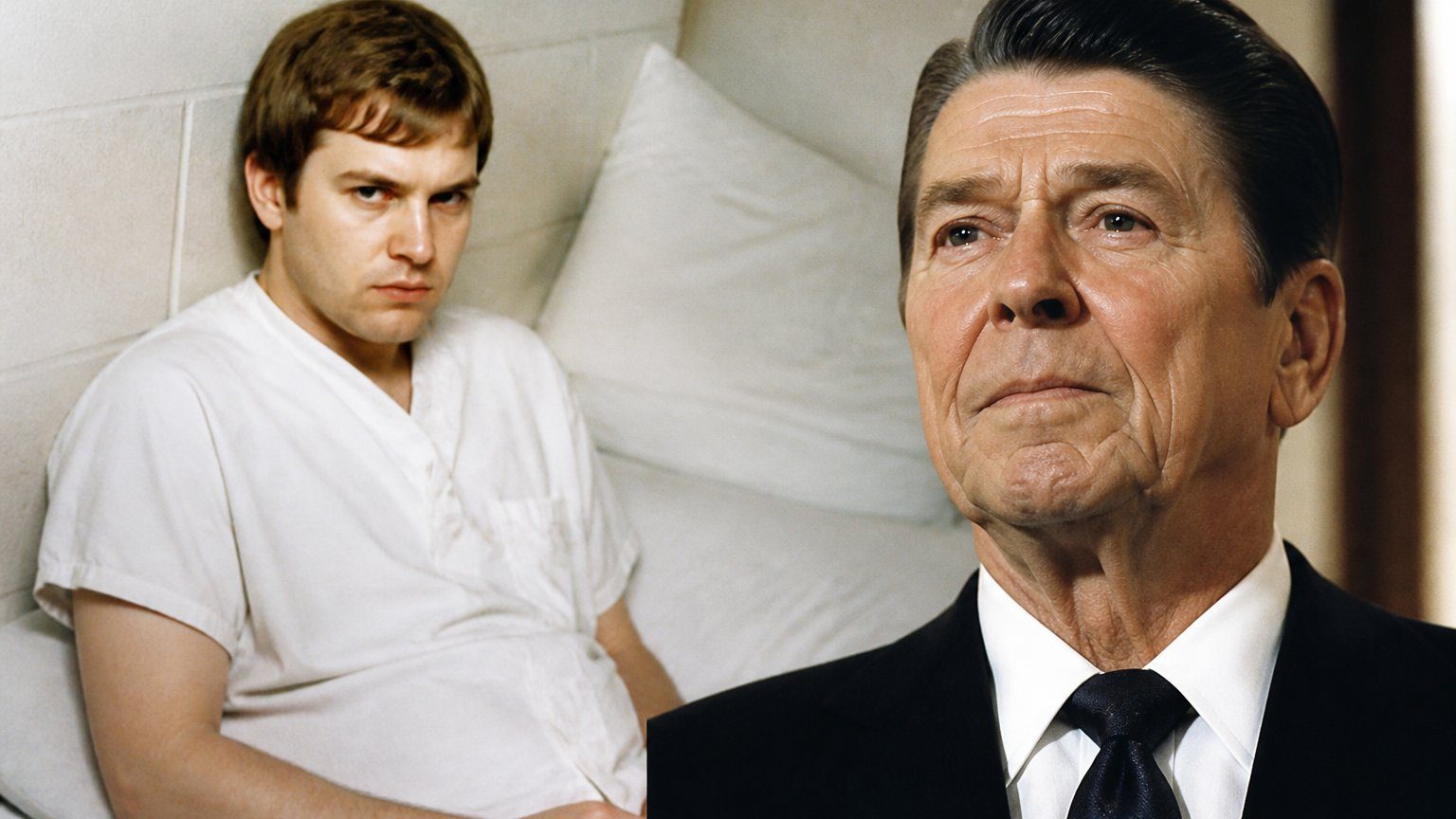
Ronald Reagan reportedly wanted to visit John Hinckley Jr. in the hospital after the 1981 shooting, but officials at St. Elizabeth’s stopped it.
Ronald Reagan planned to visit John Hinckley Jr. in a mental hospital after the 1981 shooting, the would-be assassin says, but officials at St. Elizabeth’s Hospital blocked the meeting. The claim surfaced during an interview Hinckley gave to Mark Joseph, producer of the film Reagan, on Joseph’s podcast.
Joseph said he had previously spoken with the head of St. Elizabeth’s while researching the movie and was told he had advised Reagan, “please don’t do that” when the president asked about seeing Hinckley. Joseph raised that account directly with Hinckley on the show. Hinckley said he had heard Reagan wanted to meet him at the hospital and said he wished the encounter had happened. He said he would have used the moment to ask for Reagan’s forgiveness and to express respect for him.
Hinckley said the hospital stopped the visit, calling it a missed opportunity. He said he never disliked Reagan, including on the day of the shooting, and said he would have been “very respectful” in any meeting. Joseph described Hinckley, now 71, as rational, logical and subdued during the recent interview.
The episode adds a new wrinkle to one of the best-known political violence cases in modern American history. On March 30, 1981, Hinckley opened fire outside the Washington, DC Hilton and wounded Reagan, press secretary James Brady, police officer Thomas Delahanty and Secret Service agent Tim McCarthy. Reagan recovered, while Brady spent the rest of his life in a wheelchair and Delahanty suffered nerve damage. The shooting later led to the Brady Bill, a 1993 gun control law that established background checks and a five-day waiting period to buy handguns.
“Ronald Reagan reportedly wanted to visit John Hinckley Jr. in the hospital after the 1981 shooting, but officials at St. Elizabeth’s stopped it.”
Hinckley was 25 at the time of the attack. He was found not guilty by reason of insanity in 1982 and committed to St. Elizabeth’s in Washington. He later lived under supervision with his mother in Williamsburg, Virginia, in 2016, before being unconditionally released from court oversight in June 2022. Reagan, who served two terms as president from 1981 to 1988, died in 2004 at age 93 after suffering from Alzheimer’s disease.
Joseph also drew a comparison to another high-profile attempt at reconciliation, saying Pope John Paul II visited Mehmet Ali Agca in prison after surviving an assassination attempt. Joseph theorized that Reagan may have been influenced by that example and wanted to do the same with Hinckley. Hinckley, however, said the hospital prevented it from happening.
The story matters because it revisits one of the most enduring episodes of the Reagan era and the long shadow cast by Hinckley’s attack. It also comes as Joseph’s Reagan film gets another turn in theaters, with Rawhide Pictures planning a director’s cut re-release on Sept. 25 that adds 10 minutes and coincides with America’s 250th anniversary celebration.
For readers, the bigger point is that the Reagan shooting still shapes how Americans think about political violence, recovery, and mercy — and this account suggests a remarkable meeting may have been closer than many realized.
Frequently asked questions
What did John Hinckley Jr. say about Reagan's plans?
Hinckley said he heard Reagan wanted to meet him at St. Elizabeth’s Hospital after the shooting. He said the hospital blocked the visit.
What did the film producer say he learned?
Mark Joseph said he spoke with the head of St. Elizabeth’s while researching the film and was told he advised Reagan, “please don’t do that.”
Why is the 1981 shooting still significant?
Hinckley’s attack wounded Reagan and three others, and the later Brady Bill created background checks and a five-day waiting period for handgun purchases.
What is happening with the Reagan film?
Rawhide Pictures is set to re-release the film on Sept. 25 with a director’s cut that includes 10 additional minutes.
We value your privacy 🍪We use cookies for essential features and, if you allow it, to send you a notification whenever we publish a new story. See our Privacy Policy.
🇺🇸
The Defender Morning Brief
5 stories Americans need to know. 3 minutes. Every morning. Free.
📱 On iPhone: tap the Share icon, choose “Add to Home Screen”, then open TheTrueDefender from your Home Screen and tap 🔔 to turn on notifications. (Apple only allows notifications for saved web apps.)
🔔
Stay Ahead of Breaking NewsGet alerts when major stories break — not every time we publish.Breaking news only. No spam. Turn off anytime.
1Tap the ••• menu at the bottom of the screen, then tap Share(in Safari, just tap Share in the bottom bar directly)2Scroll down the menu and tap Add to Home Screen3Tap Add in the top-right corner4Open TheTrueDefender from your Home Screen, then tap 🔔 Subscribe and choose Allow
📱 Add TheTrueDefender to your home screen for one-tap access.