⚡ LATEST
Salman Rushdie attack case brings terror conviction

Salman Rushdie attack case brings terror conviction

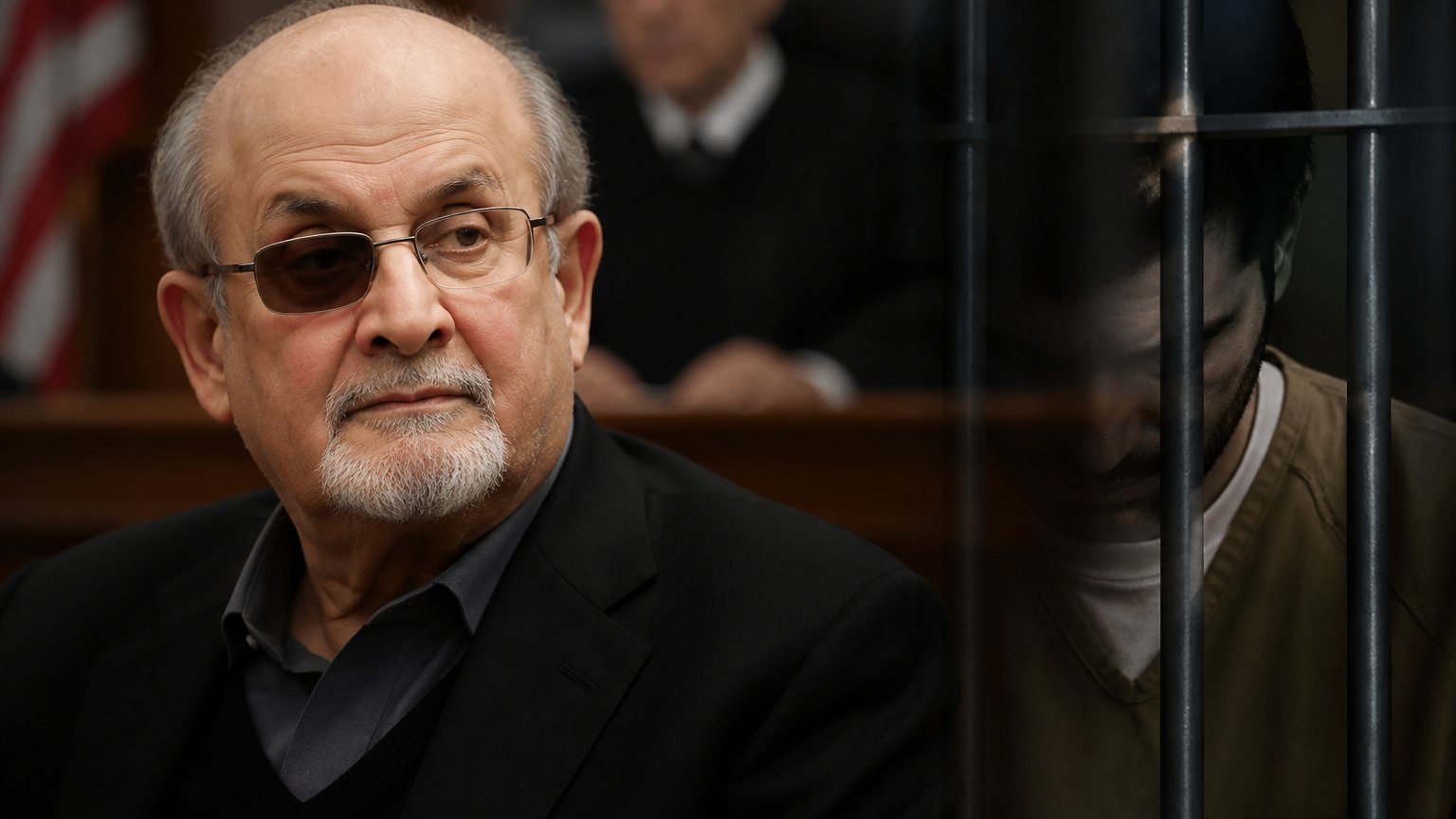
The Salman Rushdie attack case added a federal terror conviction as Hadi Matar was found guilty of supporting Hezbollah and transnational terrorism.

The Salman Rushdie attack case took another turn in New York on Wednesday, when Hadi Matar was convicted in federal court of providing material support to Hezbollah and engaging in transnational terrorism. Matar is already serving a 25-year prison term for trying to kill Sir Salman Rushdie in the 2022 stabbing.

Federal prosecutors said Matar backed Hezbollah, the Lebanese armed faction that the United States, Britain and other countries classify as a terrorist organization. They also told the jury that Matar was driven by a fatwa, the religious decree issued by Iran’s leader in 1989 calling for Rushdie’s death. The jury agreed with the government’s case and returned guilty verdicts on the terrorism-related counts.

At trial in Buffalo, prosecutors said Matar had been influenced by a 2006 speech from Hezbollah’s then-leader urging enforcement of the fatwa. They argued that he spent two years planning the attack. In closing arguments, Assistant US Attorney Timothy Lynch told jurors, according to The Buffalo News, that the defendant decided no one else would carry out the attack, so he had to do it himself.

Rushdie, the award-winning author at the center of the case, testified about the assault and described being stabbed 15 times. He told the court that the wounds hit his cheek, chest, eye, neck and thigh. He also said a firefighter helped save his life by giving medical care after the attack. During his testimony, Rushdie lifted the darkened lens of his glasses to show the injury to his eye, which has left him partially blinded.

The author described the scene in stark terms, telling jurors that he was lying on the stage in a large pool of blood. He said the knife came within millimetres of his brain. Prosecutors also showed videos made by Matar, who is 28, and used Rushdie’s testimony to argue that the assault was not random violence but a politically motivated attack tied to extremist rhetoric and support.

Defense lawyers pushed back hard on that theory. They argued that the stabbing was not terrorism and questioned Rushdie about whether he should have expected backlash over his 1988 novel The Satanic Verses. Rushdie answered that the book was not on trial. “Somebody else is on trial,” he told the court.

The case sits at the intersection of free expression, religious extremism and the long shadow cast by the fatwa that followed The Satanic Verses. The novel, inspired by the life of the Muslim Prophet Muhammad, drew outrage from some Muslims who viewed it as blasphemous. Rushdie spent nine years in hiding after the Iranian religious leader issued the decree, and he later wrote about the attack and his recovery in his memoir Knife: Meditations After an Attempted Murder. Last year, he returned to fiction with The Eleventh Hour.

Matar’s federal conviction now raises the stakes again, because he could face life in prison on top of the state sentence he is already serving. For Americans, the case is a reminder that extremist threats can reach beyond borders and strike at speech, religion and public life, which is why the federal terror verdict matters far beyond one courtroom in Buffalo.

Frequently asked questions

What was Hadi Matar convicted of in federal court?
A jury found him guilty of providing material support to Hezbollah and engaging in transnational terrorism. The convictions came in New York federal court.
What sentence is Hadi Matar already serving?
He is already serving a 25-year prison term for trying to kill Salman Rushdie in the 2022 stabbing.
Why did prosecutors say the attack was terrorism?
They said Matar supported Hezbollah and was driven by the 1989 fatwa calling for Rushdie’s death. Prosecutors also said he had been influenced by a 2006 speech from Hezbollah’s then-leader and spent two years planning the attack.
What did Salman Rushdie tell the court about the stabbing?
Rushdie testified that he was stabbed 15 times and wounded in his cheek, chest, eye, neck and thigh. He said he was left partially blinded and that the knife came within millimetres of his brain.

More from World

View all →
📨

Never Miss a Story

Get the headlines that matter delivered straight to your inbox.