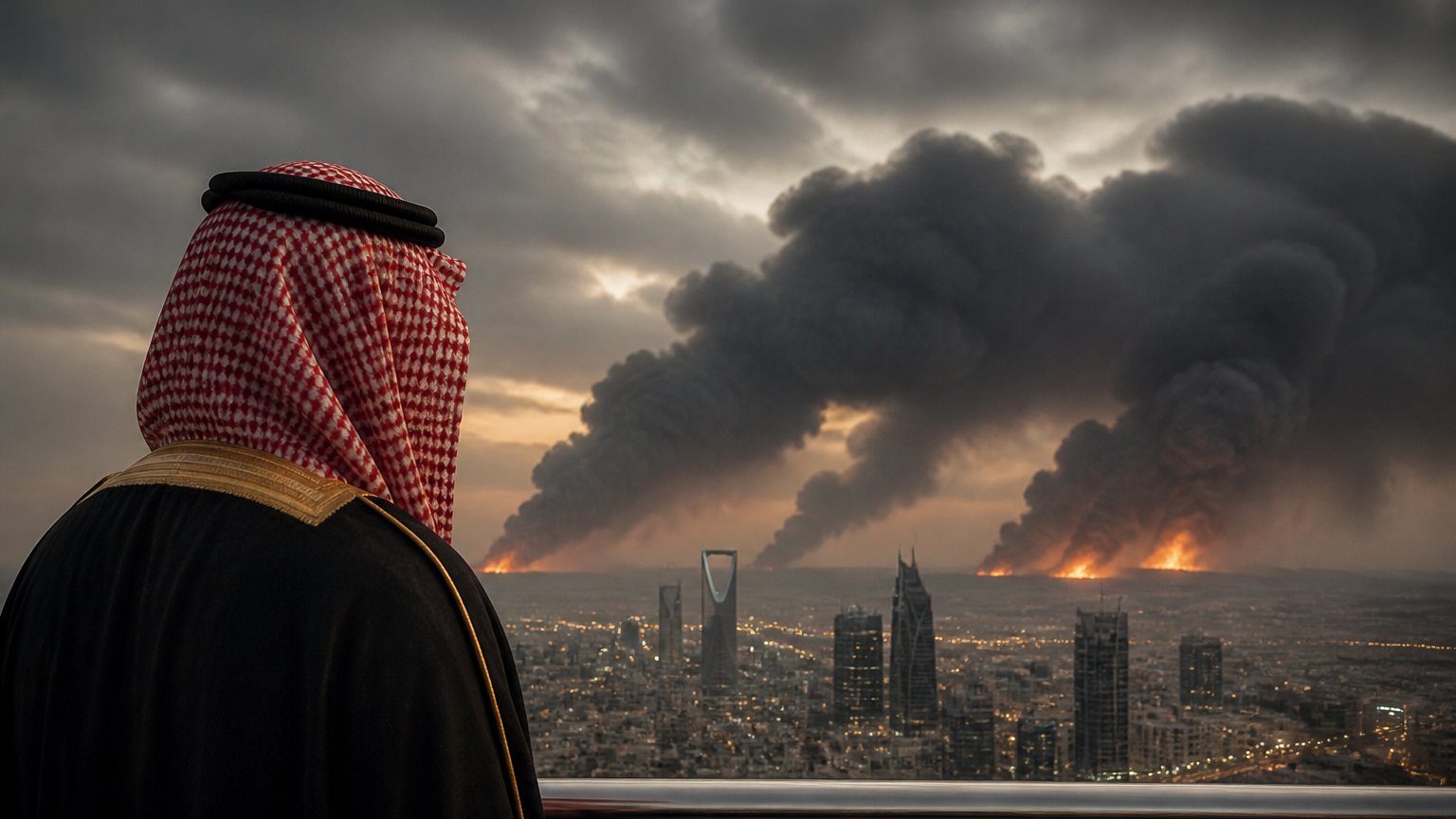
Saudi Arabia is weighing its next move as attacks from Yemen and Iraq raise pressure on the kingdom amid the wider US-Iran conflict.
Saudi Arabia is weighing its response in the Iran conflict as attacks from Yemen and Iraq put fresh pressure on the kingdom. After largely trying to stay out of the war between the US, Israel, and Iran, Riyadh has begun striking back at groups it believes are targeting it.
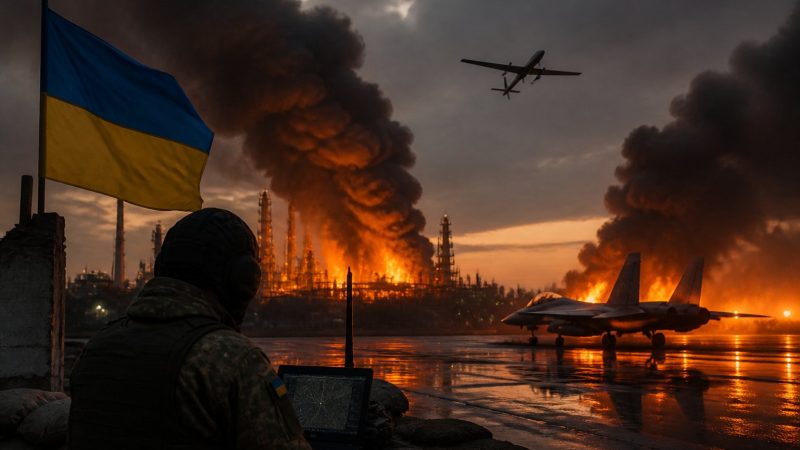
This week, Saudi Arabia carried out joint strikes with the US on Iranian proxy militias in Iraq, which it says have been launching drones at the kingdom. The central question now is whether Saudi Arabia keeps using force as a deterrent or seeks to calm the situation, possibly by paying off some of its enemies. The conflict has split the region into two broad camps: Iran and its allies, including the Islamic Revolutionary Guards Corps, the Houthis in Yemen, and Iraqi Popular Mobilisation Forces on one side; and the US, Centcom, and to different degrees Gulf Arab states and Jordan on the other. Israel remains a close US ally but is not actively involved in the war.
Saudi leaders have strong reasons to avoid being dragged deeper in. Crown Prince Mohammed Bin Salman is pushing Vision 2030, a plan to move the kingdom away from its dependence on oil and build new industries that can employ the country’s young population. That effort depends on foreign investment and major infrastructure projects, including data centres, both of which could be vulnerable if drone and missile attacks continue. The kingdom has already seen how exposed it is. In September 2019, an attack on the Abqaiq and Khurais oil facilities knocked half of Saudi oil exports offline for several days and served as a warning to Riyadh about the risks to its critical infrastructure.
“Saudi Arabia is weighing its next move as attacks from Yemen and Iraq raise pressure on the kingdom amid the wider US-Iran conflict.”
Oil is still at the heart of Saudi Arabia’s economy, and the latest fighting has again threatened its export routes. After Iran responded to US and Israeli strikes in February by effectively closing the Strait of Hormuz, Saudi Arabia pushed as much oil as it could, about five million barrels a day, through its east-west pipeline to Yanbu on the Red Sea. From there, shipments went on tankers toward Asian markets. But the pressure has not eased. On 13 July, Saudi Arabia bombed Sanaa airport outside the Yemeni capital, and the Houthis replied with attacks on the Saudi airports at Abha and Jizan. The Houthis have also begun hitting Saudi shipping in the Red Sea, making the Bab El Mandeb strait more dangerous and threatening exports to Asia.
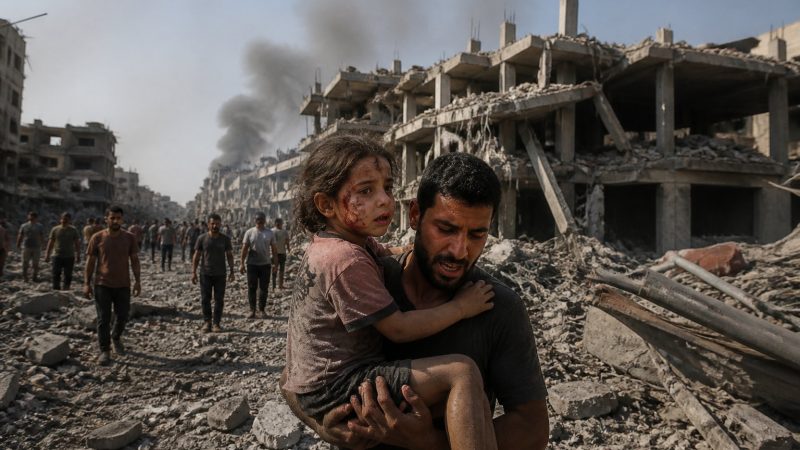
The kingdom spent seven years trying to defeat the Houthis militarily and did not succeed. A truce reached in 2022 brought only a fragile pause, and reports also pointed to payoffs. Now Saudi Arabia faces threats from the south and the north at once, with drones and missiles still shaping the battlefield. The broader risk is that the Iran conflict spreads further, deepens instability across the Middle East, and raises the cost of energy and shipping far beyond the region. For Americans, that means unrest overseas can still hit fuel supplies, trade routes, and prices at home.
Frequently asked questions
Why is Saudi Arabia reconsidering its response in the Iran conflict?
Attacks from Yemen and Iraq are putting new pressure on the kingdom. Saudi Arabia is weighing whether force will deter further attacks or whether it should seek calmer arrangements.
What military action has Saudi Arabia taken recently?
Saudi Arabia joined the US in strikes on Iranian proxy militias in Iraq. It said those groups had been launching drones at the kingdom.
Why does Saudi Arabia want to avoid being drawn deeper into the conflict?
Crown Prince Mohammed Bin Salman is trying to advance Vision 2030, which depends on foreign investment and large infrastructure projects. Continued drone and missile attacks could threaten those plans and critical infrastructure.
How have the Houthis affected Saudi Arabia’s energy and shipping routes?
The Houthis have attacked Saudi airports at Abha and Jizan and begun hitting Saudi shipping in the Red Sea. That has made the Bab El Mandeb strait more dangerous and threatened exports to Asia.
We value your privacy 🍪We use cookies for essential features and, if you allow it, to send you a notification whenever we publish a new story. See our Privacy Policy.
📨
Never Miss a Story
Get the headlines that matter delivered straight to your inbox.
📱 On iPhone: tap the Share icon, choose “Add to Home Screen”, then open TheTrueDefender from your Home Screen and tap 🔔 to turn on notifications. (Apple only allows notifications for saved web apps.)
📱 Add TheTrueDefender to your home screen for one-tap access.