⚡ LATEST
Should Members of Congress Be Banned From Trading Stocks?

Should Members of Congress Be Banned From Trading Stocks?

The public’s suspicion is not paranoia; it is a rational response to a system that asks lawmakers to regulate the economy while letting them personally profit from it. A ban on stock trading by members of Congress would not solve every problem in Washington, but it would remove one of the most corrosive conflicts of interest in American politics.

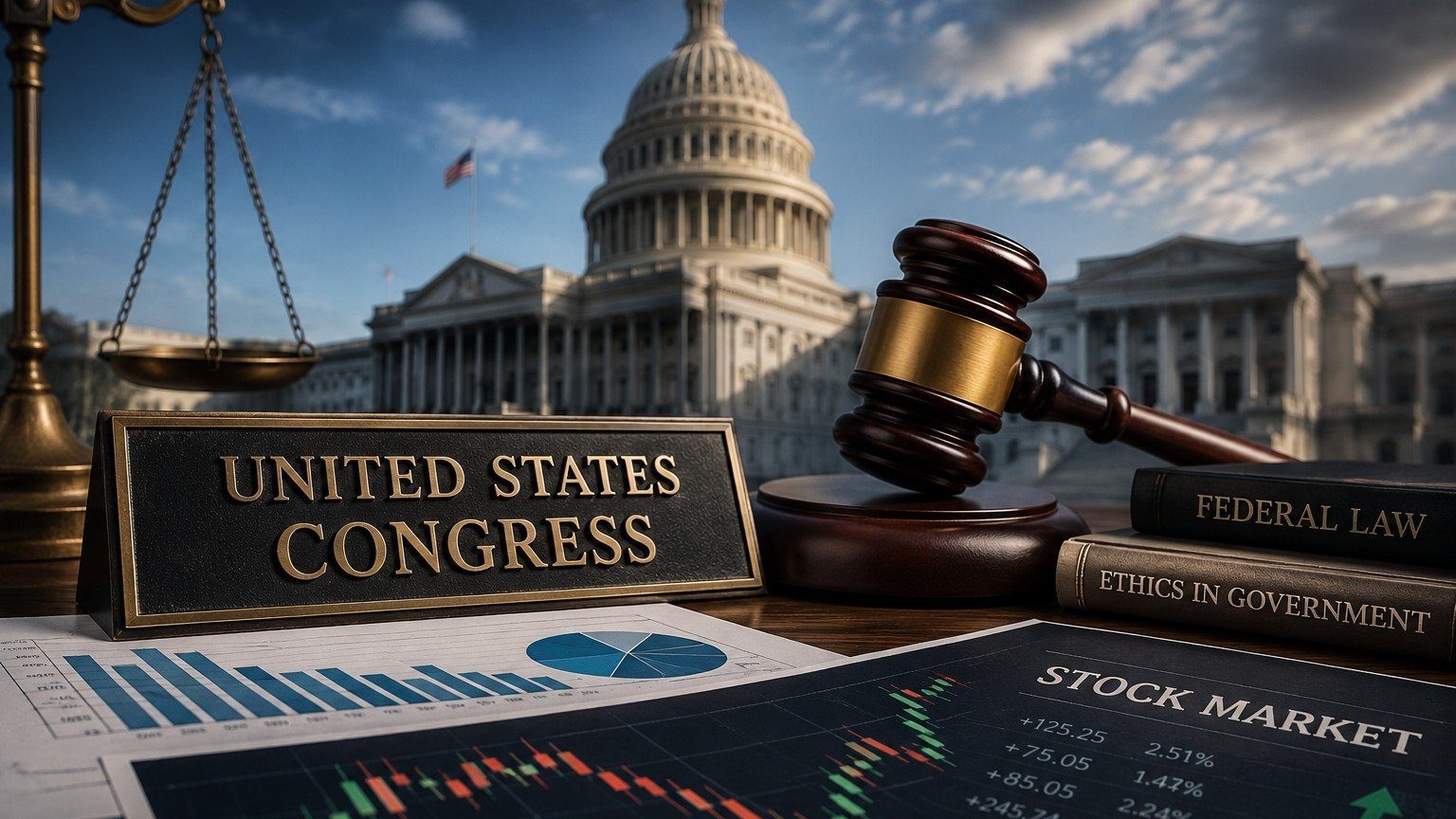
Few ideas in American politics are as simple, or as overdue, as this one: members of Congress should not be trading individual stocks while they are making laws that can affect those very companies, industries, and markets. This is not a matter of punishing success or condemning investment. It is about whether people entrusted with public power should also be allowed to place personal bets on the outcomes of that power. The answer, plainly, should be no.

The case for a ban begins with trust, and trust is the currency Congress has spent decades devaluing. Even when lawmakers follow disclosure rules and claim they are doing nothing improper, the public is left to wonder whether a vote, a hearing, or a behind-the-scenes conversation is guided by policy or by portfolio. That suspicion alone is damaging. In a healthy democracy, citizens should not have to scrutinize every financial disclosure to decide whether their representatives are acting on the merits. A strict ban would not make Congress noble, but it would make it harder for cynicism to flourish for good reason.

There is also a practical argument. Members of Congress are not ordinary investors. They have access to information, relationships, and a constant stream of policy-relevant insight that most Americans never see. Even if no law is broken, the mere possibility of trading on nonpublic knowledge is enough to make the arrangement look compromised. And because modern markets move quickly, the temptation to use timing, sector exposure, or indirect holdings to stay one step ahead is difficult to police. Ethics rules, disclosure forms, and recusal policies can help at the margins, but they are often clumsy tools against a problem rooted in incentive itself.

Still, the strongest objection deserves to be taken seriously: a total ban may seem too blunt. Critics argue that public service should not require lawmakers to abandon ordinary financial life, especially when many Americans are rightly encouraged to build savings through the market. Some also worry that prohibiting stock ownership or trading could discourage talented people from seeking office, or force them into overly narrow financial choices. These are not trivial concerns. We should be careful about turning Congress into a place where only the independently wealthy, or those with the simplest finances, can serve comfortably.


But that objection confuses ownership with active trading. There is a meaningful difference between having diversified long-term investments and making frequent decisions to buy and sell individual stocks while holding office. If the concern is personal financial security, lawmakers can be guided toward broad index funds, blind trusts, or other passive vehicles that reduce conflict without forcing them into penury. If the concern is talent, it is worth asking what kind of talent we are trying to attract if the price of service is the ability to speculate while legislating.

The deeper issue is not whether every member of Congress is corrupt. Most are probably not. The issue is whether our institutions should be structured to rely on constant good behavior when a simpler rule could remove the temptation altogether. In public life, appearance matters because it shapes legitimacy. A senator or representative who trades stocks may be acting within the letter of the law and still be contributing to a public sense that Washington is a place where insiders play by different rules. That perception fuels anger, and rightly so.

For that reason, I believe Congress should prohibit members from trading individual stocks while in office, with narrow exceptions only where necessary and tightly controlled. The goal is not to shame lawmakers or pretend they cease to have personal financial lives. It is to restore a basic standard of impartiality. If members of Congress want the authority to shape markets, regulate industries, and influence the direction of the economy, they should not also be allowed to gamble in those same markets for personal gain. The public deserves representatives, not traders with a vote. What do you think: is a full ban the right fix, or is there a better way to restore confidence?

Frequently asked questions

What is the article’s main position on congressional stock trading?
It argues Congress should prohibit members from trading individual stocks while in office, with only narrow, tightly controlled exceptions.
Why does the article think stock trading by lawmakers is a problem even when it is legal?
Because the public may suspect votes, hearings, or conversations are influenced by personal portfolios, which damages trust and legitimacy.
What practical reasons does the article give for banning stock trading?
Lawmakers have access to policy-relevant information and relationships, and existing ethics rules and disclosures are described as clumsy tools against the incentive to trade.
Does the article allow any financial investments for members of Congress?
Yes. It says lawmakers could use broad index funds, blind trusts, or other passive vehicles that reduce conflicts without requiring active trading.

💬 Discussion (0)

This is an open discussion — reply to others or start a new comment below.

Be the first to share your opinion on this story.

Share your opinion

Comments are reviewed before they appear.

More from Opinion

View all →
📨

Never Miss a Story

Get the headlines that matter delivered straight to your inbox.