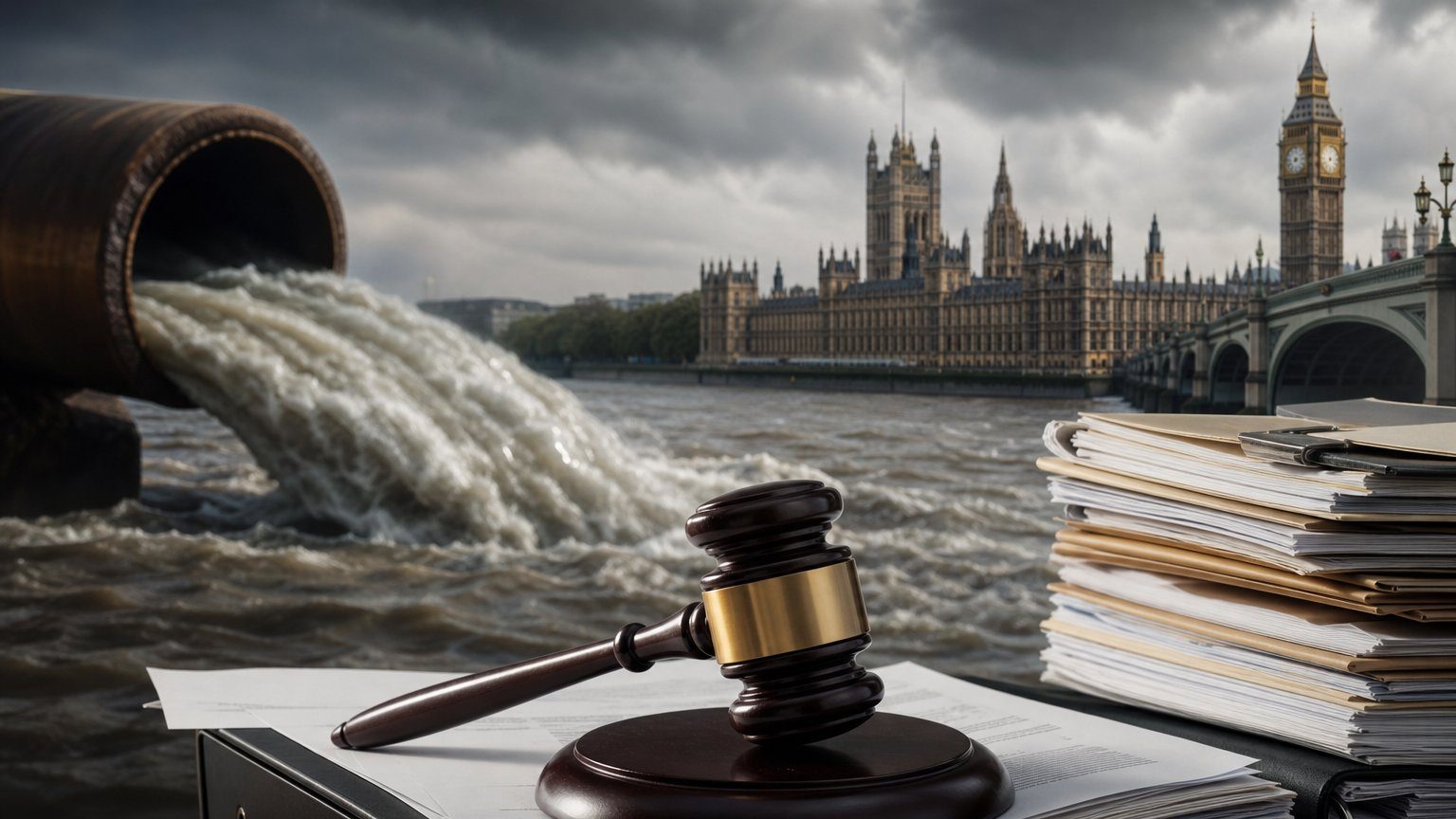
Thames Water lenders are preparing a legal challenge as a Burnham-led government weighs nationalisation of the UK’s biggest water company.
Thames Water lenders are preparing a legal challenge if a Burnham-led government moves to nationalise Thames Water, the UK’s biggest water company. The creditors are bracing for a fight over who pays the bills if the company is brought fully under state control.
According to sources close to the lenders, they would seek full repayment of the outstanding debt if nationalisation goes ahead. That debt runs into the multi-billions of pounds and could leave the government facing a very large bill. The lenders had already put forward a rescue plan that would have written off nearly half of Thames Water’s debt and brought in new cash, but the government rejected that proposal as too weak and bad for customers and the environment.
Thames Water has been under pressure for years. Fears about collapse first surfaced three years ago, and on Thursday the company said it has enough cash to last until the end of this year. Even so, creditors said on Sunday that they were still working with officials and regulators on a deal to rescue the business. The Department for Environment, Food and Rural Affairs said the government was ready for any outcome.
“Thames Water lenders are preparing a legal challenge as a Burnham-led government weighs nationalisation of the UK’s biggest water company.”
A spokesperson for the department said Thames Water customers had been let down for too long, citing 15 years of under-performance, rising serious pollution, and customers being left to pick up the bill. The spokesperson also said the secretary of state had written to Ofwat to say she was not convinced London and Valley Water’s proposal was good enough for consumers or the environment. In June, Emma Reynolds said she did not want Thames Water customers to end up paying for the company’s failures.
The wider political picture is just as uncertain. Burnham, who is due to become prime minister on Monday, has called for greater public control over water and energy and has backed nationalising Thames Water. Labour deputy leader Lucy Powell said on Sunday that the government has powers to place a distressed water company into special measures, but added, “Let’s see” whether those powers would be used. She also argued that privatisation of water has not delivered competition, lower bills, or enough investment.
One possible middle path is a special administration regime, or SAR, which is usually temporary while a private buyer is found. The existing lenders say they would be willing to bid in that case, but Burnham’s comments make it harder to see a new private ownership solution gaining political support. Whatever happens next, Thames Water’s customers should keep service running, but the company’s future now stands as an early test for the new administration. Why this matters: the outcome could decide whether taxpayers, customers, or creditors end up carrying the cost of Thames Water’s trouble.
Frequently asked questions
What would Thames Water lenders do if the company is nationalised?
They would seek full repayment of the outstanding debt and are preparing a legal challenge. The debt is described as running into the multi-billions of pounds.
Why did the government reject the lenders’ rescue plan?
The government said the plan was not strong enough and would not be good for customers or the environment. It had proposed writing off nearly half of Thames Water’s debt and bringing in new cash.
How long does Thames Water say it can keep operating?
The company said on Thursday that it has enough cash to last until the end of this year.
What is a possible alternative to nationalisation?
A special administration regime, or SAR, is one option. It is usually temporary while a private buyer is found, and the existing lenders say they would be willing to bid in that case.
We value your privacy 🍪We use cookies for essential features and, if you allow it, to send you a notification whenever we publish a new story. See our Privacy Policy.
📨
Never Miss a Story
Get the headlines that matter delivered straight to your inbox.
📱 On iPhone: tap the Share icon, choose “Add to Home Screen”, then open TheTrueDefender from your Home Screen and tap 🔔 to turn on notifications. (Apple only allows notifications for saved web apps.)
📱 Add TheTrueDefender to your home screen for one-tap access.