Trump orders Smithsonian warning signs at the National Museum of American History, saying visitors should be steered to what his administration calls accurate U.S. history.
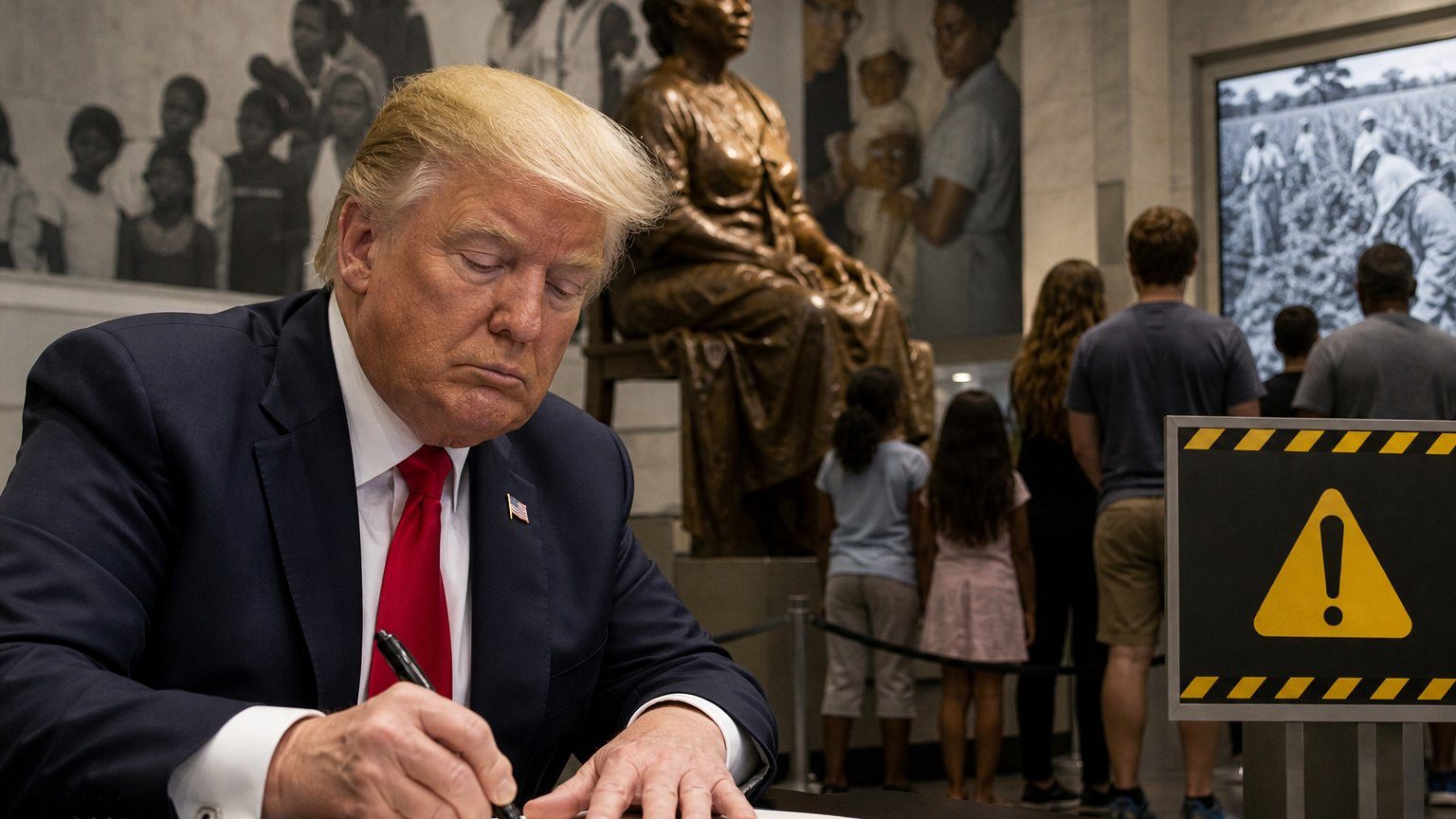
President Donald Trump has ordered warning signs outside the Smithsonian National Museum of American History, escalating his dispute with the nation’s best-known museum network over how the American past is presented. The Smithsonian warning signs directive tells visitors to be cautioned about exhibits his administration considers inaccurate and to be pointed toward what it describes as accurate information about the country’s history.
The order instructs the Department of Interior to handle the warnings and to guide people to material the administration says better reflects America’s story. The Smithsonian did not immediately respond to a BBC request for comment. Trump’s administration has repeatedly accused the Smithsonian Institution, the world’s largest research museum, and other academic organizations of carrying an anti-American bias.
The Friday order, titled Restoring Trust in the Smithsonian Institution, argues that museum leadership has not done enough to honor the nation’s founders as the country marks its 250th anniversary of independence, which fell on 4 July. It also says the leadership team sees American history as a tool for advancing social justice and what it calls the radical transformation of society. A White House statement went further, accusing the museum of drifting toward extreme political activism rooted in Marxism and of seeking to divide and discourage Americans.
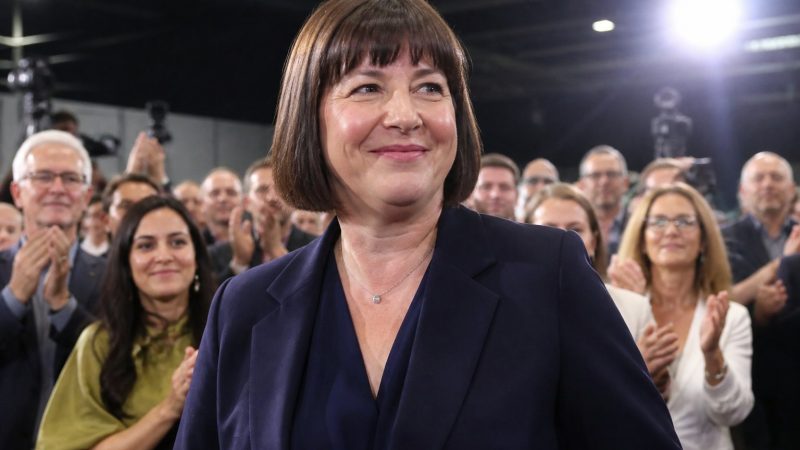
Democrats and critics pushed back quickly. Congresswoman Melanie Stansbury, the ranking member of the House Administration Committee, called the move a political overreach and said the president was trying to rewrite American history through ideology. She also said the Smithsonian belongs to the American people, not the president. Her response reflects a growing fight over whether public institutions should emphasize national pride, structural criticism, or both when they present the country’s past.
“Trump orders Smithsonian warning signs at the National Museum of American History, saying visitors should be steered to what his administration calls accurate U.S. history.”
The Smithsonian warning signs order did not come in isolation. It followed two congressional hearings in which Smithsonian director Anthea Hartig faced sharp questioning from Republican lawmakers. At those hearings, the museum was accused of being infected by a woke ideology that had seeped into public displays, educational materials and planning documents. Earlier this month, the White House Domestic Policy Council released a report claiming the museum erases American heritage.
Trump has made a broader campaign of remaking American culture by targeting what he calls woke ideology. He has already signed several orders aimed at removing diversity, equity and inclusion programs from the federal government, and some of those moves have already triggered legal challenges. In March, he issued another order aimed at the Smithsonian, directing it to eliminate what he described as improper, divisive or anti-American ideology.
The Smithsonian receives much of its support from the federal government and draws between 15 million and 30 million visitors a year to its free museums. Its collection includes the National Museum of American History, the National Portrait Gallery, the American Art Museum, the National Zoo and more than a dozen others in Washington, Virginia and New York. What happens next will shape a larger argument over who gets to define the nation’s story. For American readers, the takeaway is simple: the fight over Smithsonian warning signs is really a fight over history, public trust, and who controls the country’s cultural institutions.
Frequently asked questions
What did Trump order the Smithsonian to do?
He ordered warning signs outside Smithsonian museums to caution visitors about exhibits his administration considers inaccurate. The order also directs people toward material the administration says better reflects American history.
Which museum was specifically mentioned in the order?
The Smithsonian National Museum of American History was specifically mentioned. The Smithsonian Institution as a whole was also targeted by the directive.
How did the White House justify the move?
A White House statement said the Smithsonian had drifted toward extreme political activism rooted in Marxism and was seeking to divide and discourage Americans.
How did critics respond?
Congresswoman Melanie Stansbury called the move a political overreach and said Trump was trying to rewrite American history through ideology. She said the Smithsonian belongs to the American people, not the president.
We value your privacy 🍪We use cookies for essential features and, if you allow it, to send you a notification whenever we publish a new story. See our Privacy Policy.
📨
Never Miss a Story
Get the headlines that matter delivered straight to your inbox.
📱 On iPhone: tap the Share icon, choose “Add to Home Screen”, then open TheTrueDefender from your Home Screen and tap 🔔 to turn on notifications. (Apple only allows notifications for saved web apps.)
📱 Add TheTrueDefender to your home screen for one-tap access.