⚡ LATEST
Trump Pauses Iran Strikes as Talks Continue

Trump Pauses Iran Strikes as Talks Continue

Trump pauses Iran strikes again as diplomacy gets more room, while oil prices ease and US officials keep pressure on Tehran.

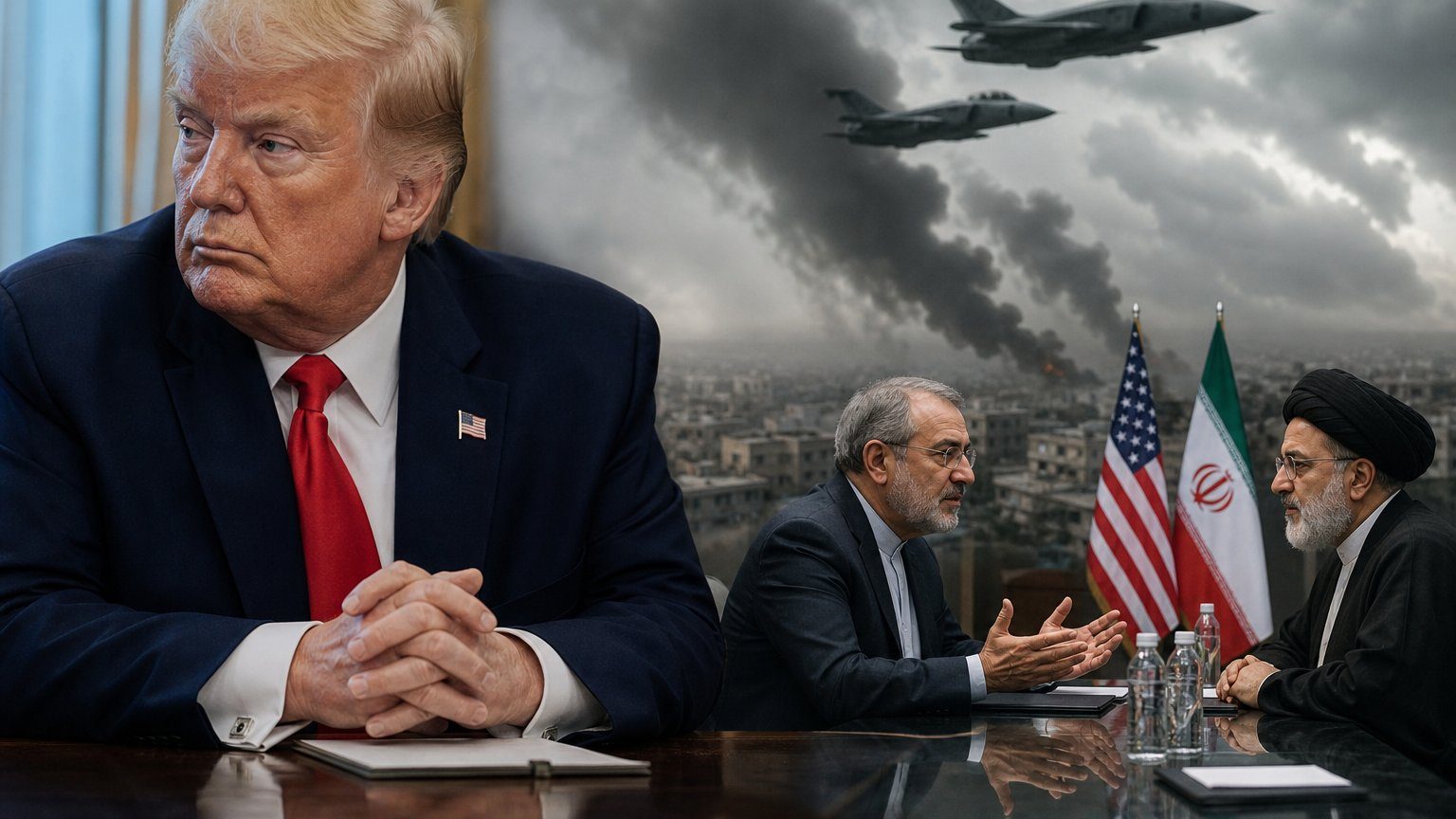
President Donald Trump has paused the Iran strikes for a third night in a row, with the United States saying the move is meant to give diplomacy more space as tensions remain high across the Gulf. The pause comes after nearly two weeks of daily American strikes and back-and-forth attacks that have strained an already fragile ceasefire reached in June.

US ambassador to the United Nations Mike Waltz said on Fox News that the president was giving talks room to breathe. He made clear, though, that the White House is not ruling out further action. In separate comments to NBC, Waltz said he would not go so far as to say Trump had decided against escalation, and added that all options remain open. On CBS, he said additional military assets are moving into the region.

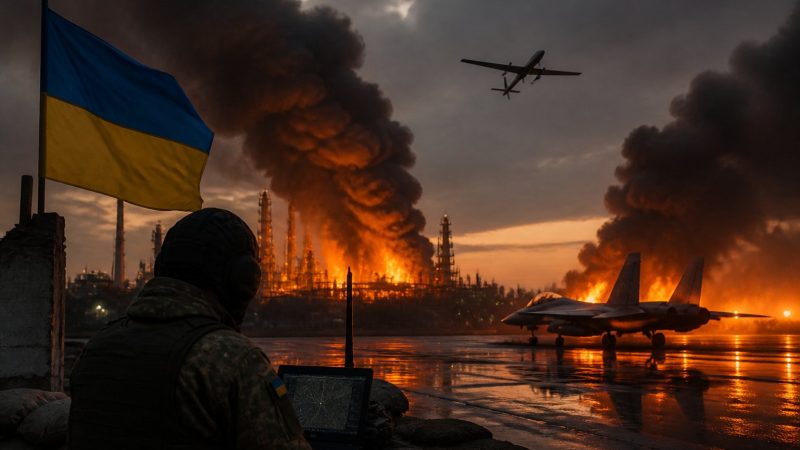
Waltz also pushed back on a New York Times report that administration officials had warned the fighting could drain a reduced stockpile of air defense munitions. He said the US military has what it needs to carry out the campaign. Trump himself had not spoken publicly about the latest turn by Monday, but he did post computer-generated images on Truth Social showing US military planes bombing Iranian ships and Kharg island.

Iran signaled its own pause on Sunday. An Iranian army spokesperson said Tehran had halted retaliatory attacks in the region in response to the US move. The latest pause follows 13 straight nights of US strikes aimed, Washington says, at weakening Iran’s ability to threaten commercial shipping in the Strait of Hormuz, one of the world’s most important energy corridors.

The Iran conflict has also fed directly into global markets. Oil prices fell sharply after the pause, dropping below $90 a barrel on Monday morning after reaching $100 for the first time since May last week. That slide followed a stretch of renewed fighting that had already rattled worries about supplies moving through the strait and wider energy flows around the world.
Diplomacy has not stopped completely. Iranian and Omani officials held several rounds of technical talks in Tehran on Friday and Saturday about managing the Strait of Hormuz, according to Iranian foreign ministry spokesman Esmail Baghaei. The strait had already been at the center of earlier US-Iran tensions, and it remains one of the biggest barriers to ending the war for good.

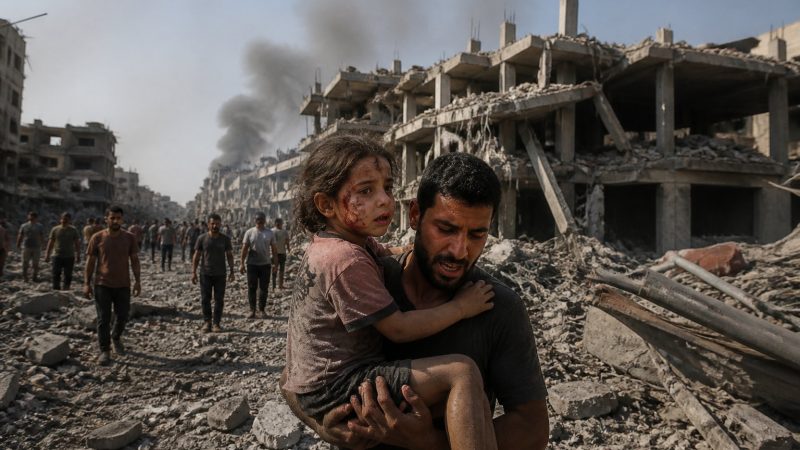
That arrangement then fell apart after Iranian forces attacked tankers in the Strait of Hormuz on 13 July, prompting the US to restart airstrikes and restore its naval blockade on Iranian ports. Iran responded with attacks on US military facilities and bases across the Middle East, killing four American soldiers, while Iran’s health ministry said dozens have been killed by US strikes.

The conflict is entering its fifth month, and it is far from settled. British Defence Secretary Wes Streeting said he will meet US counterpart Pete Hegseth in the coming week to discuss the strait, and said the two countries are aligned on protecting maritime freedom and commercial shipping. Trump is also set to meet Israeli Prime Minister Benjamin Netanyahu at the White House on Tuesday. For Americans, the stakes are plain: the war is affecting US forces, energy prices, and the security of a shipping route that helps keep the global economy moving.

Frequently asked questions

Why did Trump pause the Iran strikes again?
US officials said the pause is meant to give diplomacy room to work. Mike Waltz said the White House is giving talks room to breathe, but is not ruling out further action.
Has the United States ruled out more military action against Iran?
No. Waltz said all options remain open, and said additional military assets are moving into the region.
How did Iran respond to the US pause?
An Iranian army spokesperson said Tehran halted retaliatory attacks in the region in response to the US move.
What effect did the pause have on oil prices?
Oil prices fell sharply after the pause, dropping below $90 a barrel on Monday morning after reaching $100 for the first time since May last week.

More from World

View all →
📨

Never Miss a Story

Get the headlines that matter delivered straight to your inbox.