⚡ LATEST
Trump Says Iran War Talks May Open Path Forward

Trump Says Iran War Talks May Open Path Forward

Trump says Iran war talks are underway as strikes stay on hold again, while Tehran denies direct talks and oil prices sink on hopes of easing tensions.

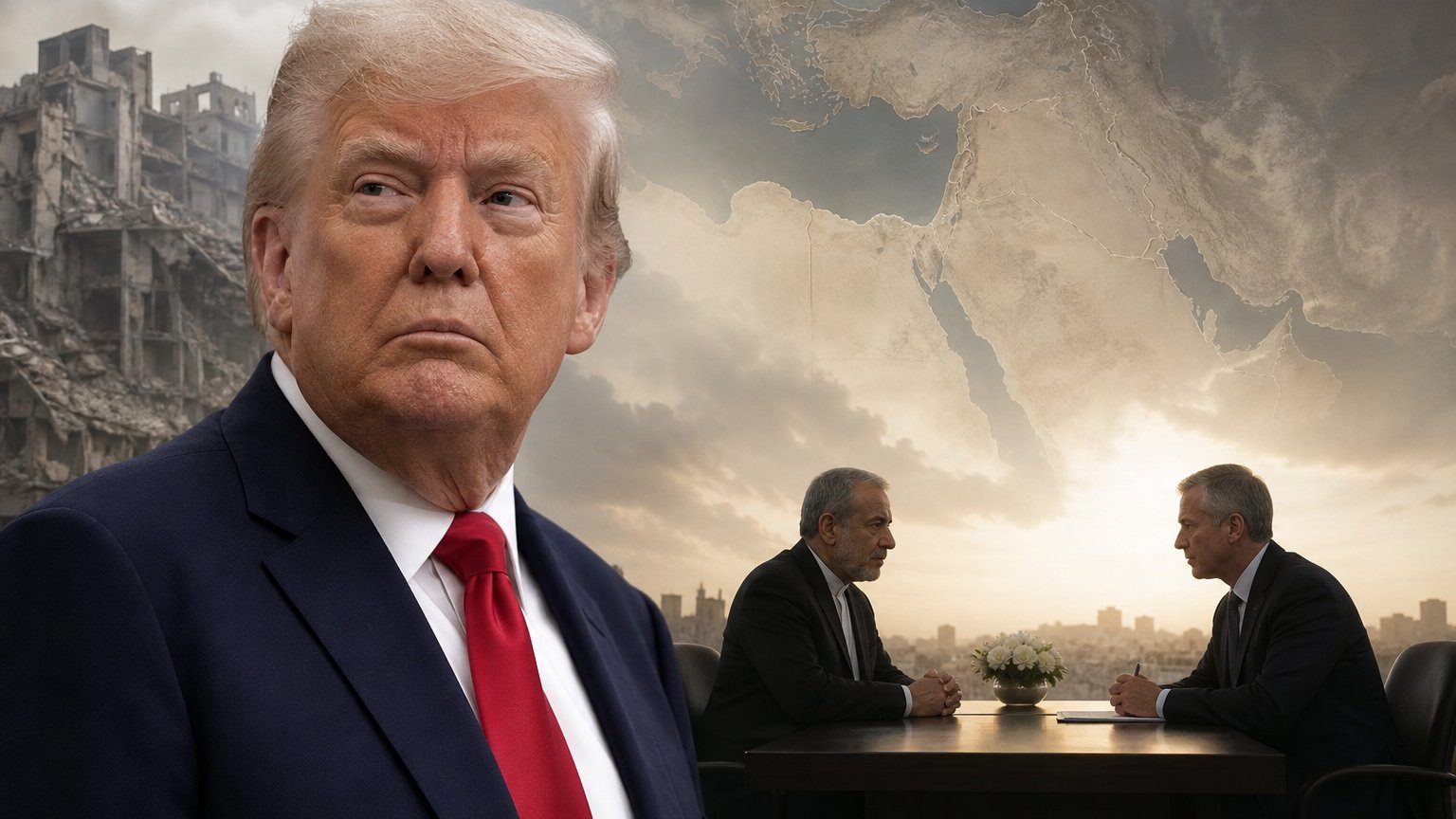
Iran war talks were back at the center of the conflict Monday after President Donald Trump said there were “very friendly negotiations going on” and suggested a deal could still emerge. His comments came after the two sides went a third straight day without exchanging strikes, a pause that has fueled fresh questions about whether the fighting may be heading toward a broader break.

Speaking to reporters aboard Air Force One, Trump said he believed there was “a good chance that something could happen.” He also warned that Washington would return to its previous military posture if the latest round of discussions failed. Tehran, for its part, denied that any direct talks were taking place. The back-and-forth leaves the status of the Iran war talks unclear, even as the administration publicly projects confidence.

Trump said he chose to pause U.S. strikes on Iran on Friday because the countries serving as intermediaries asked him to give diplomacy another try. That pause followed nearly two weeks of daily American strikes and retaliatory attacks, which had effectively unraveled the ceasefire reached in June. The United States military had said its strikes were meant to weaken Iran’s ability to threaten commercial shipping in the Strait of Hormuz, a critical global oil route.

The conflict has already carried a steep cost in the region. The U.S. and Israel launched strikes against Iran on February 28, and Tehran answered with missile and drone attacks on U.S. bases and other assets in Gulf states, as well as targets inside Israel. In June, Iran and the United States signed a memorandum of understanding that called for military operations to stop, the Strait of Hormuz to reopen, and an agreement to end the war within 60 days. That arrangement did not hold.
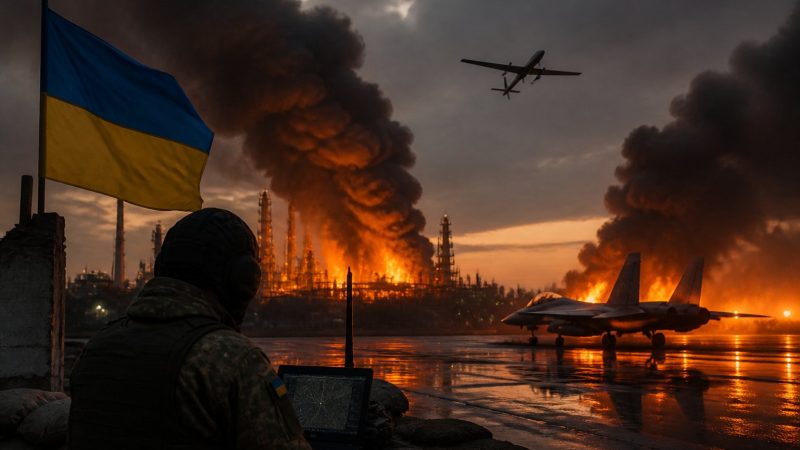
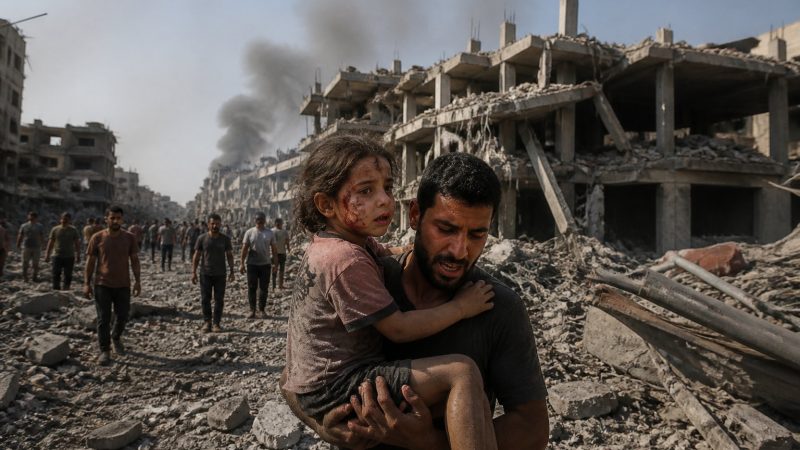
After Iranian forces attacked tankers in the waterway on July 13, Washington resumed air strikes and restored a naval blockade of Iran’s ports. Tehran then hit U.S. military facilities and bases across the Middle East. Four American soldiers were killed in those attacks, and Iran’s health ministry said the later U.S. strikes had killed dozens of people. The fighting has also left more than 600 U.S. service members injured since the war began in February.

Markets quickly picked up on the chance of a diplomatic opening. Oil prices fell by more than nine percent at one point on Monday, dropping to $87.59 a barrel as traders bet the conflict might cool off. That reaction shows how tightly American military action in the region is tied to energy security and shipping through one of the world’s most important chokepoints.

Trump also pushed back on reports that U.S. ammunition stocks were running low after five months of fighting. He said the country had plenty of ammunition and mid-level weapons, and White House spokesperson Anna Kelly said the military had more than enough munitions and stockpiles to meet the president’s goals. She added that Operation Epic Fury had shown what happens when someone crosses the United States. Kelly also said Trump wants defense contractors to keep producing more American-made weapons. The next question is whether the Iran war talks lead to a real pause or just another brief break in a conflict that is already hitting U.S. forces, energy markets, and America’s standing in the region.

Frequently asked questions

What did Trump say about the Iran war talks?
Trump said there were “very friendly negotiations going on” and that there was a “good chance that something could happen.” He also said Washington would return to its previous military posture if talks failed.
Why did Trump pause U.S. strikes on Iran?
He said he paused the strikes on Friday because the countries acting as intermediaries asked him to give diplomacy another try.
Did Iran confirm direct talks with the United States?
No. Tehran denied that any direct talks were taking place, leaving the status of negotiations unclear.
What has the fighting cost so far?
The article says four American soldiers were killed, more than 600 U.S. service members were injured, and Iran’s health ministry said dozens of people were killed by later U.S. strikes.

More from World

View all →
📨

Never Miss a Story

Get the headlines that matter delivered straight to your inbox.