Trump’s Saudi nuclear deal drops the old U.S. demand that Riyadh normalize ties with Israel first, drawing warnings about regional risks.
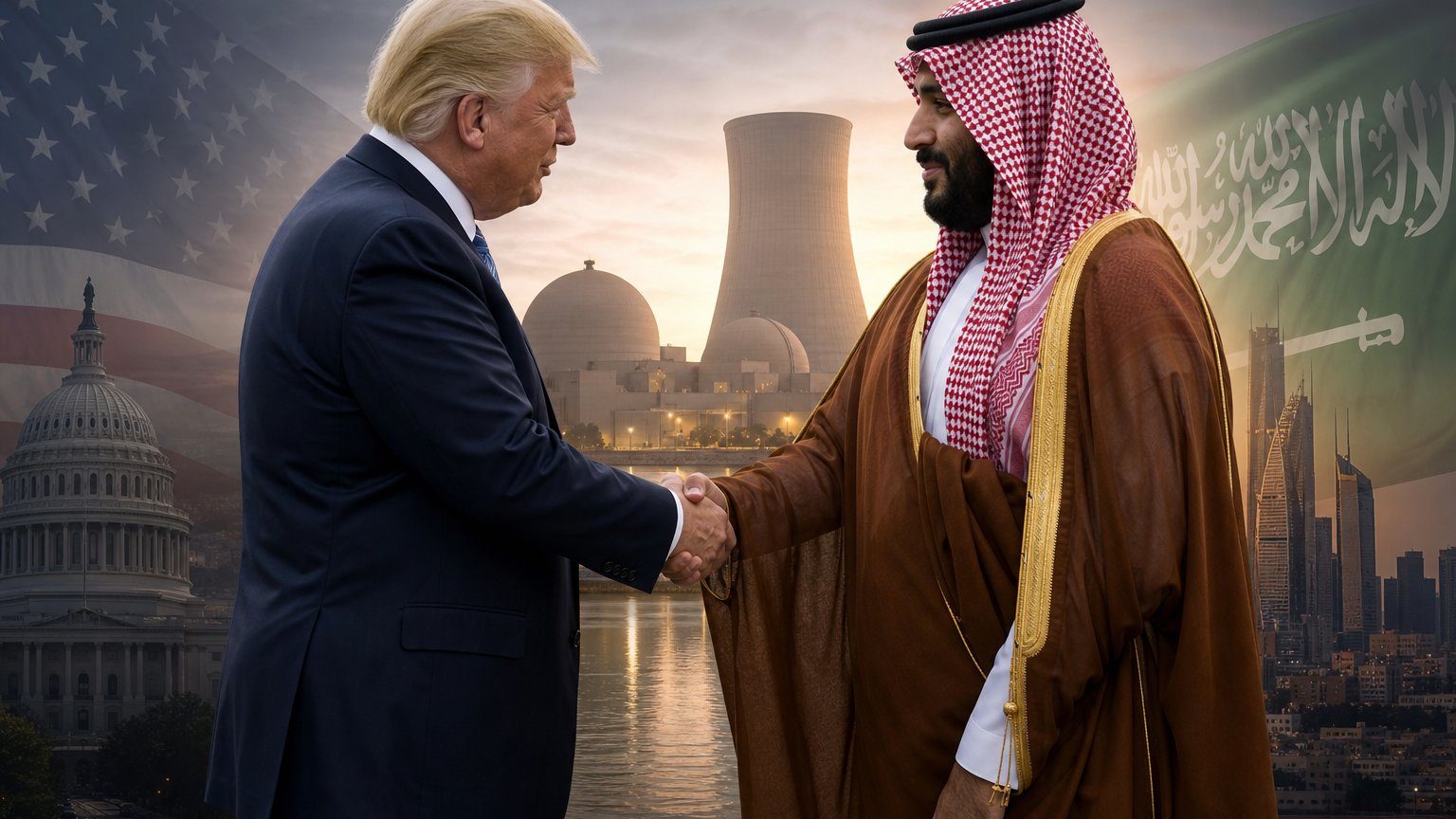
Trump’s Saudi nuclear deal marks a sharp break from the long-standing U.S. approach to nuclear cooperation in the Middle East. For years, American presidents insisted that Saudi Arabia normalize relations with Israel before getting access to U.S. nuclear technology for civilian energy work. President Donald Trump did not make that concession a condition of the agreement.
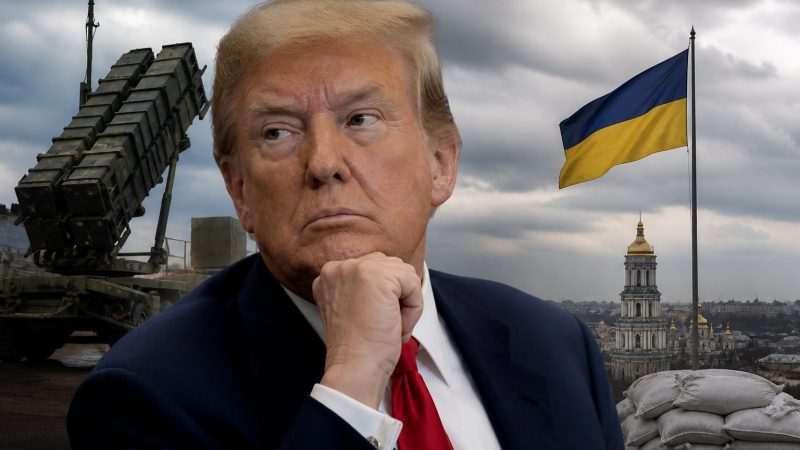
Critics warned that the pact could encourage a nuclear arms race in a region already under heavy strain. Analysts also said it fits Trump’s second-term pattern of more transactional foreign policy, with a focus on economic competition and keeping allies aligned with Washington rather than following the traditional Israel-first framework.
That approach appears to have paid off for Saudi Crown Prince Mohammed bin Salman, who has pushed for a nuclear agreement with the United States as part of his broader effort to deepen ties with the West. The source says the agreement reportedly does not include strict enforcement measures that would block Saudi Arabia from pursuing a military nuclear program later. It also differs from the 2009 U.S.-United Arab Emirates nuclear cooperation deal, which included tighter inspections by the International Atomic Energy Agency. Critics are also pointing to reports that the Saudi pact would allow uranium enrichment on Saudi soil.
“Trump’s Saudi nuclear deal drops the old U.S. demand that Riyadh normalize ties with Israel first, drawing warnings about regional risks.”
Supporters argue the agreement could help Saudi Arabia build out civilian nuclear power, meet rising electricity demand, and reduce its dependence on oil over time. Energy experts said that could strengthen the kingdom’s position in the global economy and create business for American companies working with Saudi Arabia’s nuclear plans. But the source notes that any economic gains would take years, since new plants would likely take a decade or longer to build and open.
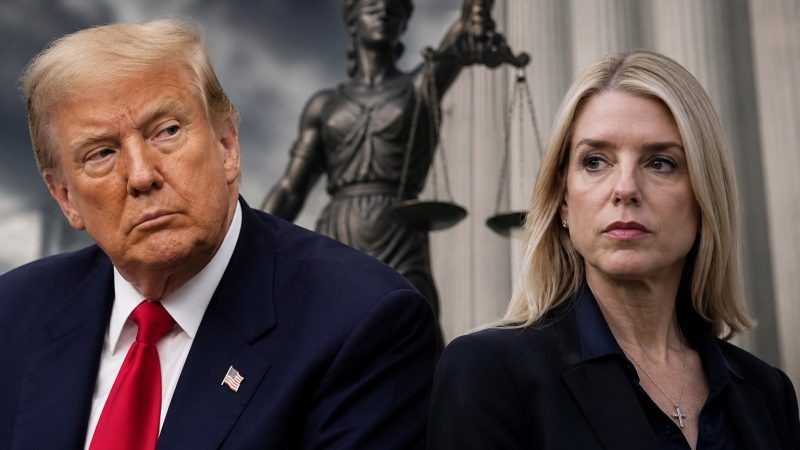
The deal has already drawn fire in Israel and the United States. Israeli politicians warned it could become a new nuclear threat in the region. Democratic Rep. Ro Khanna called it a giveaway to the Saudis and said it could fuel more instability. U.S. Energy Secretary Chris Wright defended the pact as good for the economy and national security, saying it would uphold high standards for safety and nonproliferation. The administration has not released full details, and Trump did not preside over the signing ceremony. Bottom line: the deal shows the U.S. is willing to trade old Middle East conditions for new strategic leverage, and that could reshape regional politics for years.
Frequently asked questions
What old U.S. policy did this deal break with?
For years, U.S. presidents had insisted Saudi Arabia normalize relations with Israel before getting access to U.S. nuclear technology for civilian energy work. Trump did not make that a condition.
Why are critics worried about the agreement?
Critics say it could encourage a nuclear arms race in a tense region. They also point to reports that it lacks strict enforcement measures and may allow uranium enrichment on Saudi soil.
How does this deal compare with the 2009 U.S.-UAE nuclear agreement?
The article says the Saudi pact appears to have weaker safeguards than the 2009 UAE deal. The UAE agreement included tighter inspections by the International Atomic Energy Agency.
What benefits do supporters say the deal could bring?
Supporters say it could help Saudi Arabia build civilian nuclear power, meet rising electricity demand, and reduce dependence on oil over time. They also say it could create business for American companies.
We value your privacy 🍪We use cookies for essential features and, if you allow it, to send you a notification whenever we publish a new story. See our Privacy Policy.
📨
Never Miss a Story
Get the headlines that matter delivered straight to your inbox.
📱 On iPhone: tap the Share icon, choose “Add to Home Screen”, then open TheTrueDefender from your Home Screen and tap 🔔 to turn on notifications. (Apple only allows notifications for saved web apps.)
📱 Add TheTrueDefender to your home screen for one-tap access.