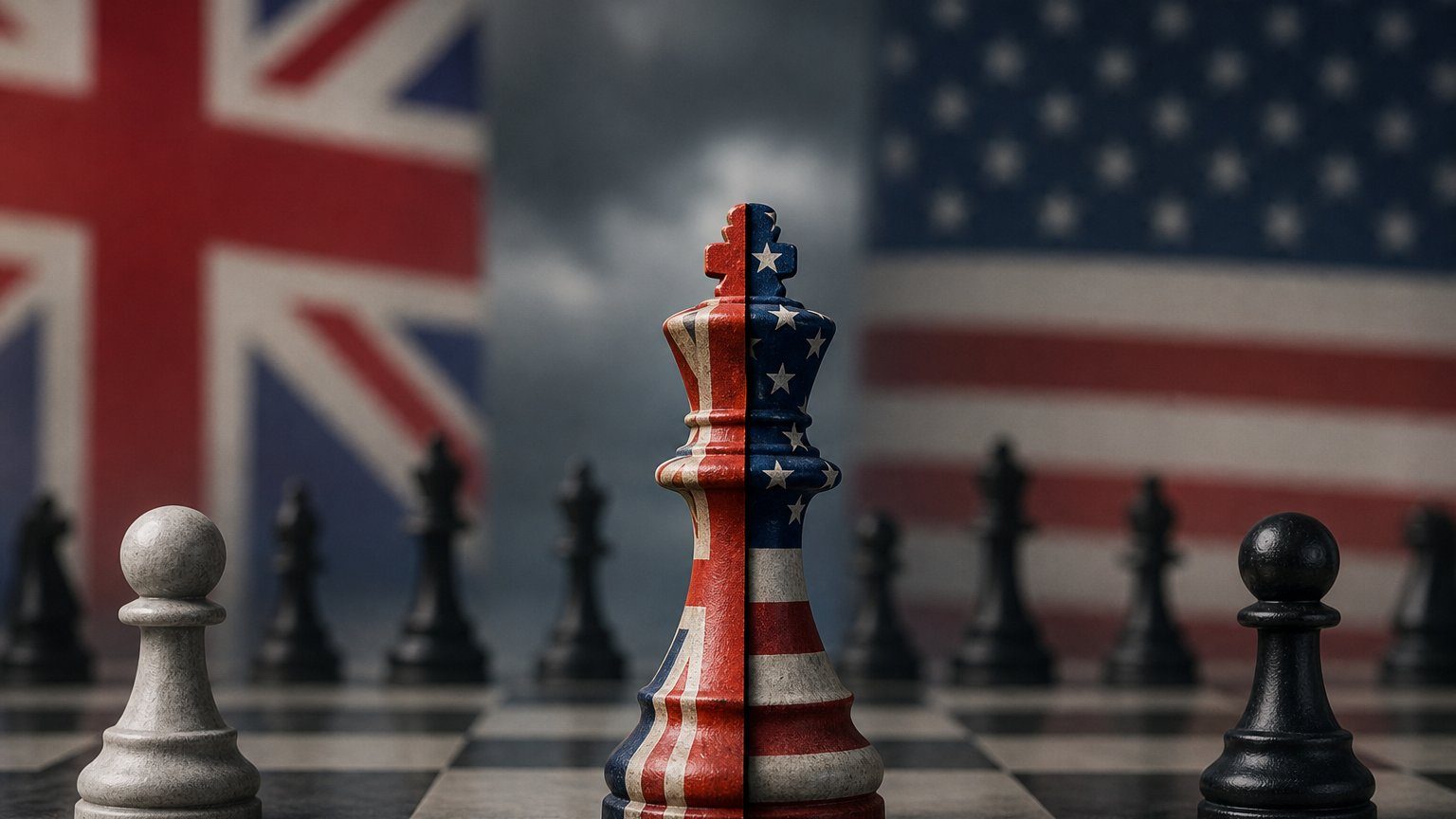
The UK trade deal with Donald Trump no longer looks as strong as before, after new US tariff rules gave the European Union a better position.
The UK trade deal with Donald Trump has lost some of its shine as Washington reshapes its tariff rules and gives the European Union a more favorable position. What once looked like a strong early arrangement for Britain now appears less distinctive, with the latest US trade approach leaving the EU ahead on effective tariff treatment in several areas.
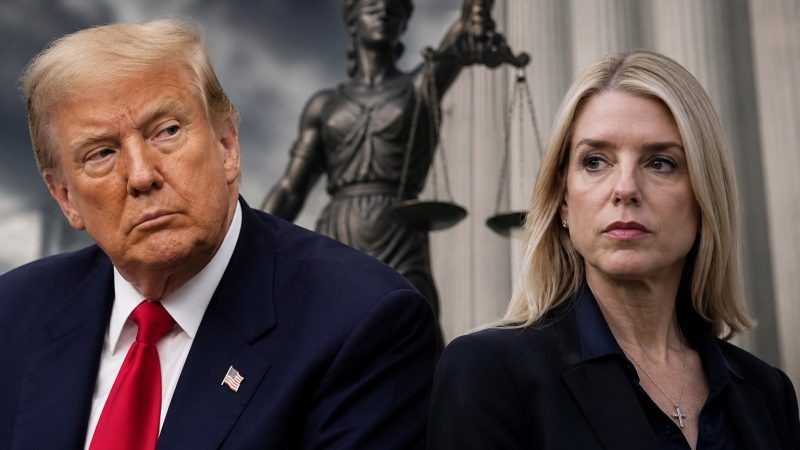
The change is tied to a new round of tariffs justified by the Trump administration on forced labour grounds. That rationale is the latest in a long line of explanations for tariff policy, following earlier arguments about opioids, illegal migration, and bringing manufacturing back to the United States. Some of those earlier efforts were blocked by courts, while others were overtaken by economics or by the administration’s own shifting logic.
In practice, the levies look much like earlier country-by-country tariffs, even if the stated reason has changed. For the UK, the broad regime has not moved much. The difference is that the EU has secured a stronger arrangement, while Britain’s position is now comparatively weaker in several sectors. The UK and EU each appear to face a ten percent rate, but the EU’s is described as a flat rate, while the UK’s can sit alongside other tariffs on goods including footwear and textiles.
London has already reached side agreements covering medicines, steel, aluminium, cars and whisky. Even so, the overall trade-weighted effective tariff rate could end up lower for the EU, at eight point five percent, than for the UK, at six point eight percent.
“The UK trade deal with Donald Trump no longer looks as strong as before, after new US tariff rules gave the European Union a better position.”
That gap matters because it undercuts the idea that Britain gained a lasting edge by striking its deal first and by using its post-Brexit freedom to move quickly. William Bain, a trade expert at the British Chambers of Commerce, says EU exporters now have a competitive advantage in some sectors. His point is simple: the rules now reward countries that went further on forced labour legislation.
The key difference is not an accusation about what is happening inside supply chains. It is about whether a country has passed a formal law banning goods linked to forced labour, similar to the US rule. The EU has done that. The UK has not. That leaves open the possibility that London may eventually be pushed toward an EU-style ban, something many see as an indirect way to target China, especially over conditions in Xinjiang.
The British government said last October that it remained firmly opposed to state-imposed forced labour, but added that it was still considering how best to reflect that position because of operational and legal complications. Since then, it has also welcomed imports of Chinese cars and has been exploring a services trade deal with Beijing. That mix shows how carefully Britain is trying to balance economic interests with pressure from both Washington and Brussels.
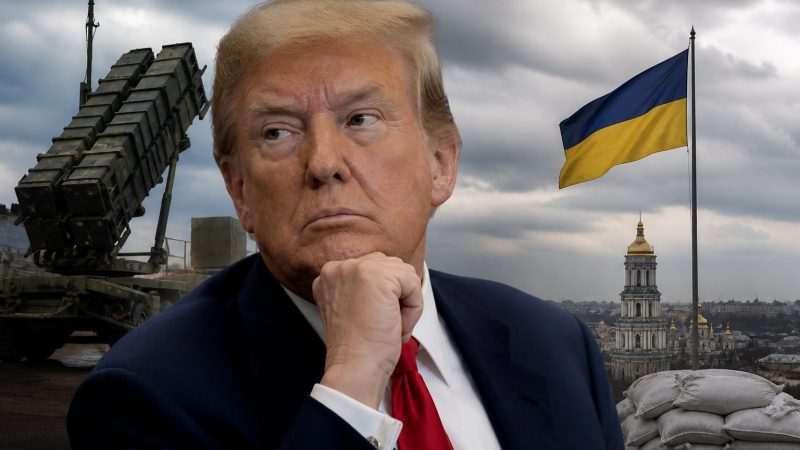
The wider pattern is clear: as the US keeps changing its tariff rationale, other countries are strengthening trade links with one another. Canada, for example, has increased trade with the rest of the world by more than it lost from the US. China’s dollar trade with the US was flat in the first half of this year, while its trade with the EU, the UK and Africa rose sharply. The UK trade deal now sits inside that bigger scramble, and the next question is whether Britain keeps its current path or moves toward a tougher forced-labour ban to protect its standing with Washington. For American readers, the takeaway is that US tariff policy is reshaping alliances and trade rules well beyond America’s borders.
Frequently asked questions
Why has the UK trade deal lost some of its advantage?
The US has reshaped its tariff rules, and the EU now appears to have a stronger arrangement in several sectors. That makes Britain’s early deal look less distinctive than it once did.
What is the main difference between the UK and EU positions?
The article says the EU has passed a formal law banning goods linked to forced labour, while the UK has not. That seems to give EU exporters a competitive advantage in some sectors.
What tariff rates does the article say the UK and EU face?
It says both appear to face a 10% rate, but the EU’s is described as flat while the UK’s can sit alongside other tariffs on goods like footwear and textiles. It also says the trade-weighted effective rate could be 8.5% for the EU and 6.8% for the UK.
What has the UK government said about forced labour policy?
The government said last October that it remained firmly opposed to state-imposed forced labour. It also said it was still considering how best to reflect that position because of operational and legal complications.
We value your privacy 🍪We use cookies for essential features and, if you allow it, to send you a notification whenever we publish a new story. See our Privacy Policy.
📨
Never Miss a Story
Get the headlines that matter delivered straight to your inbox.
📱 On iPhone: tap the Share icon, choose “Add to Home Screen”, then open TheTrueDefender from your Home Screen and tap 🔔 to turn on notifications. (Apple only allows notifications for saved web apps.)
📱 Add TheTrueDefender to your home screen for one-tap access.