⚡ LATEST
US Adds New Tariffs on Imports From Abroad

US Adds New Tariffs on Imports From Abroad

US tariffs now cover 60 trading partners, including the UK, EU and China, as Washington links the move to forced-labour enforcement.

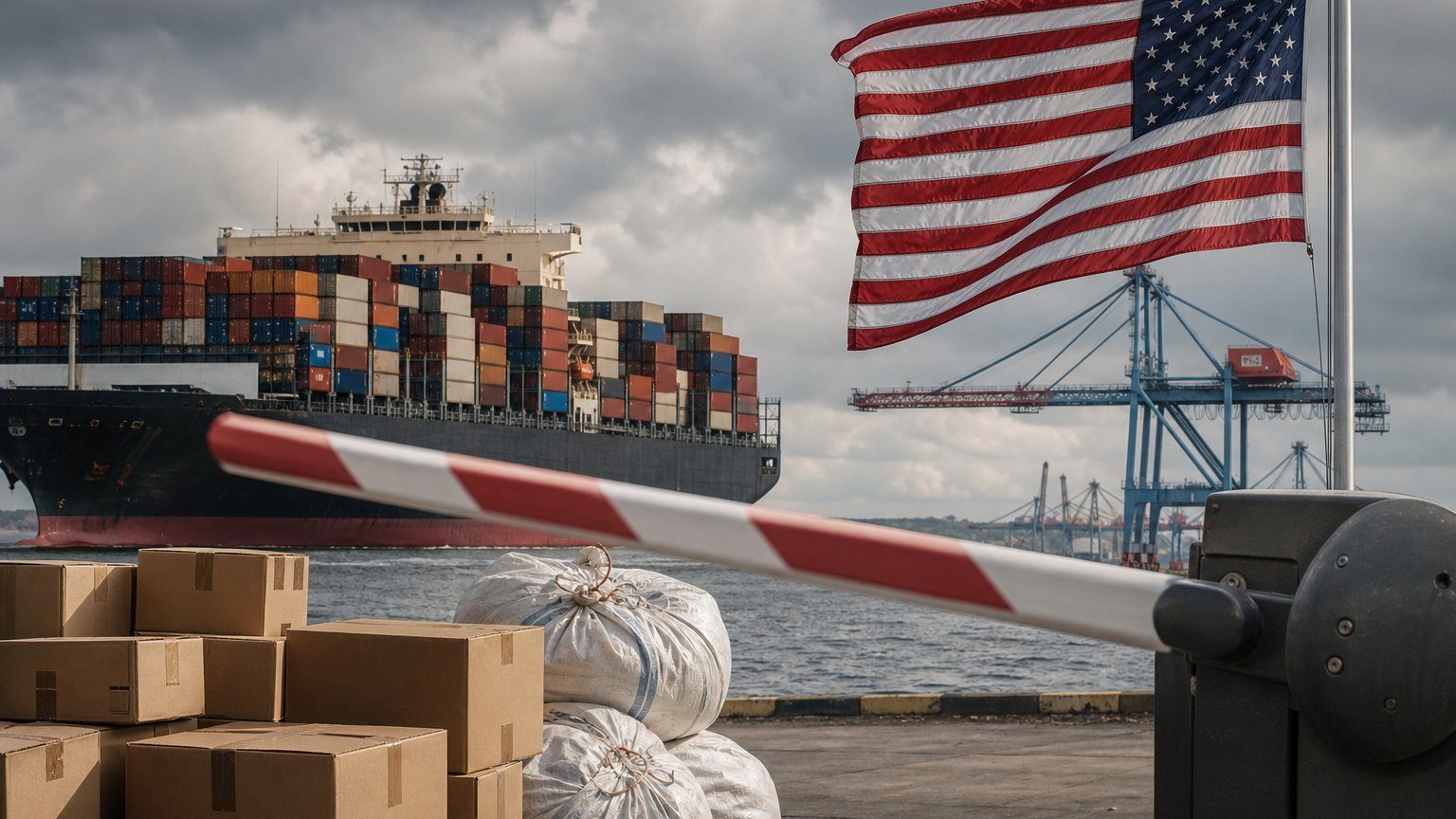
The new US tariffs have taken effect on imports from 60 trading partners, marking the latest step in President Donald Trump’s renewed trade offensive. The duties, which range from 10% to 12.5%, apply to goods from major economies including the UK, China, the European Union, Japan, Canada and India.

The tariffs replace an identical levy that expired on Friday and now cover the top 60 American trade partners, accounting for 99.4% of US imports, according to the Office of the US Trade Representative. The administration says the measure is tied to concerns that key trading partners have not done enough to stop goods linked to forced labour from entering supply chains.

US Trade Representative Jamieson Greer said the action would help address what he called a human rights abuse and a trade distortion. But Caroline Freund, a trade expert at the University of California, San Diego, said the forced-labour explanation does not tell the full story. In her view, the White House is seeking a legal basis to keep tariffs in place while pursuing broader goals tied to the trade deficit and US manufacturing.

The move lands after a rough legal stretch for Trump’s tariff strategy. Earlier this year, the Supreme Court ruled that many tariffs imposed under emergency powers had been illegally enacted. That ruling forced the White House to look for other ways to maintain import duties, including the temporary global levy that has now ended and been replaced by the new rates.

For businesses, the immediate concern is cost. Wendy Cutler of the Asia Society Policy Institute said the tariffs are likely to lift expenses for companies and consumers, though the effect could be eased by exemptions on some goods. She also said many trading partners will be disappointed and may respond by trying to reduce their reliance on the United States through new deals elsewhere.
The United Kingdom faces special scrutiny in this round. William Bain of the British Chambers of Commerce said the UK has lost a relative advantage compared with the European Union, which is facing a 10% all-inclusive tariff arrangement on its goods. He said British firms will be asking what it will take to win the same treatment. David Henig, who directs UK trade policy at the European Centre for International Political Economy, said Britain has moved backward, though he noted that Trump’s policies can change quickly.

The British government said firms are not facing a change in the tariff rate they had been expecting, and it stressed that it takes forced labour seriously. UK whisky is exempt after Trump agreed to spare it during King Charles and Queen Camilla’s state visit to the United States. Other governments were less restrained: Brazil called the higher rate it faces unjustified, Japan said it regretted the decision, and Australia’s trade minister called the levies completely unjustified.

China again rejected the allegations, with foreign ministry spokesperson Mao Ning saying there is no so-called forced labour in China and accusing Washington of using the issue for political manipulation. Human rights groups, however, have said forced labour does exist in China, especially among Muslim ethnic minorities in Xinjiang. The deeper fight now is about whether Washington is using labour claims as a real enforcement tool or as a sturdier route to preserve tariffs the courts have already challenged. For Americans, the key question is whether this trade strategy protects jobs or simply raises costs at the checkout and in the factory.

Frequently asked questions

Which countries and regions are affected by the new US tariffs?
The tariffs apply to goods from 60 trading partners, including the UK, China, the European Union, Japan, Canada and India.
How high are the new tariffs?
The duties range from 10% to 12.5%.
Why does the US say it imposed these tariffs?
The administration says the tariffs respond to concerns that trading partners have not done enough to stop goods linked to forced labour from entering supply chains.
How have other countries reacted?
Brazil called the higher rate it faces unjustified, Japan said it regretted the decision, and Australia’s trade minister called the levies completely unjustified. China rejected the allegations and denied forced labour in China.

More from Politics

View all →
📨

Never Miss a Story

Get the headlines that matter delivered straight to your inbox.