US and Iran trade strikes across the Gulf as Tehran answers American attacks and rejects Trump’s plan to use frozen Iranian assets.
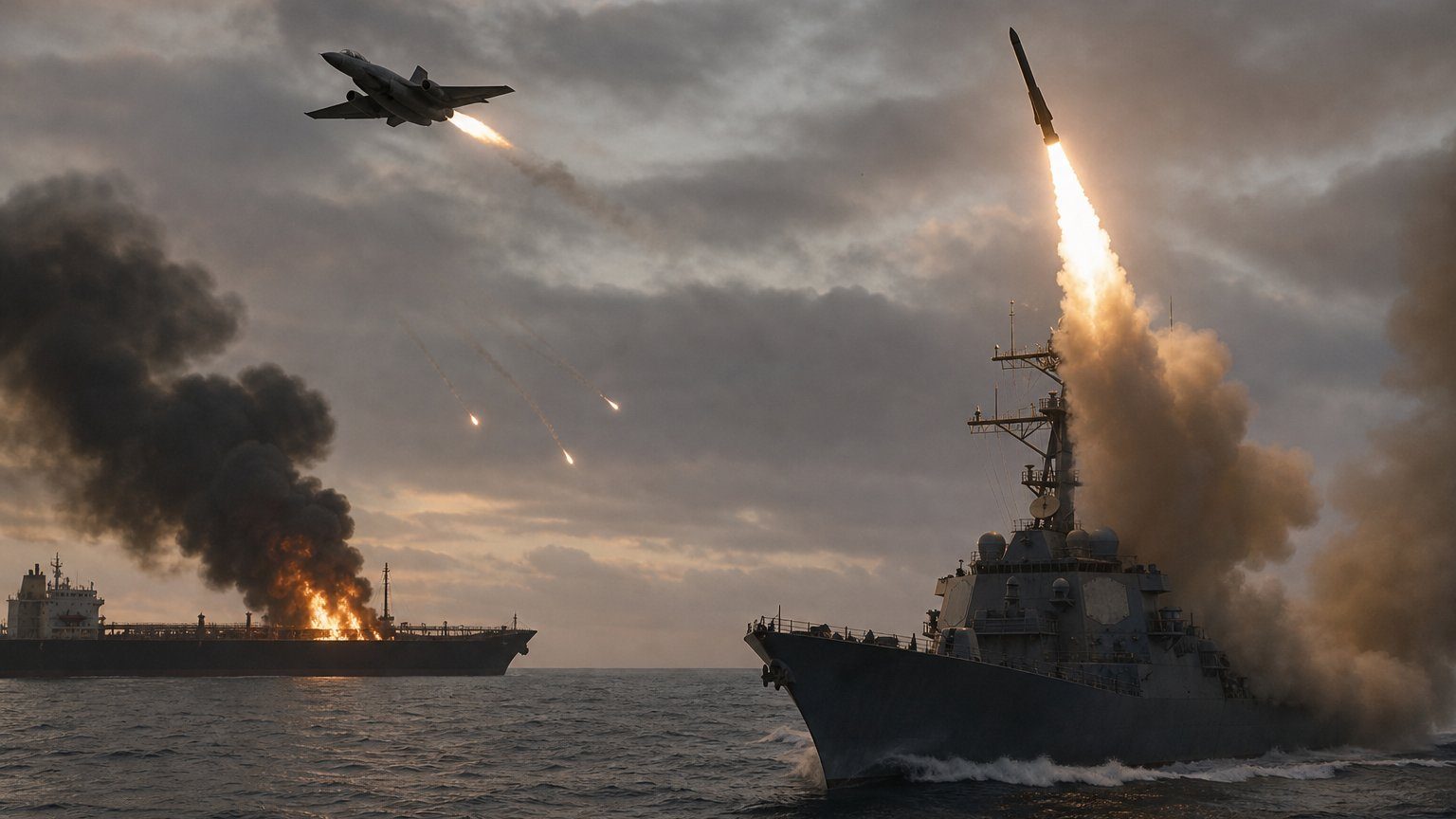
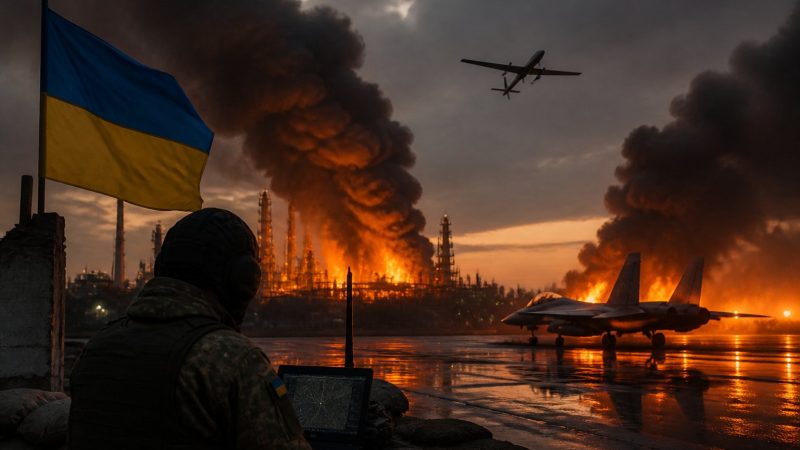
US and Iran trade strikes across the Gulf as the confrontation between the two countries deepens, with Tehran saying it has hit American military facilities and bases in retaliation for the 13th straight night of US attacks on Iranian targets. Iranian officials said drone strikes were carried out against US-linked positions across the Middle East, while reports from the region described explosions, sirens, and temporary disruption at a major airport.
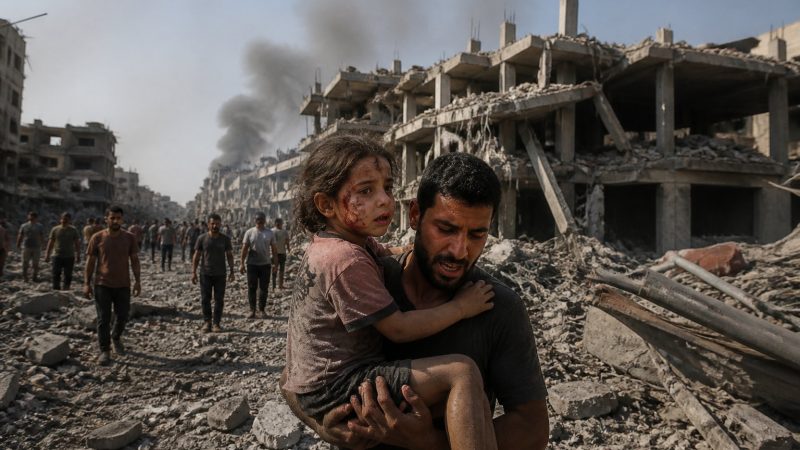
Iranian state media said four people were killed and five others were injured in an attack in the southwest of the country. Elsewhere, explosions were reported along Iran’s Gulf coast and in western, northern, and central areas. Iran later said it had struck US-allied Kuwait, while warning signs spread to Bahrain and Jordan, where sirens were heard. Flights were also briefly suspended at Erbil International Airport in Iraq after what was described as a drone crash, before service resumed.
The latest round of US and Iran trade strikes also overlaps with a new fight over money and war damage. President Donald Trump said on Thursday that damage to ships and cargo in the Strait of Hormuz would be covered by “Iranian Money that the United States has in its possession, and controls.” He added on Truth Social that the move was “the fair and equitable thing to do.” Iranian Foreign Minister Abbas Araghchi fired back, saying that taking another country’s assets to pay for unrelated future claims would set what he called an incendiary precedent.
Trump’s remarks landed just days before Israeli Prime Minister Benjamin Netanyahu is due to meet him at the White House on Tuesday. Netanyahu is also expected at a service for the late Senator Lindsey Graham, a longtime supporter of Israel. Ukrainian President Volodymyr Zelensky is expected to meet Trump the same day. The timing adds another layer to an already volatile stretch in Washington’s foreign policy calendar, with Middle East security, shipping lanes, and allied coordination all on the table at once.
“US and Iran trade strikes across the Gulf as Tehran answers American attacks and rejects Trump’s plan to use frozen Iranian assets.”
Behind the immediate headlines is a broader struggle over the Strait of Hormuz, one of the world’s most important sea lanes. The BBC understands that the US and UK plan to hold a conference in London next week on the issue, with Defense Secretary Pete Hegseth and Chairman of the Joint Chiefs of Staff Dan Caine expected to attend. The meeting was first reported by Axios. The stakes are high because threats to shipping in the strait can quickly ripple through global energy markets and raise costs far beyond the region.
The current crisis traces back to a June agreement that was supposed to cool things down. Under a 14-point memorandum of understanding, the US and Iran agreed to halt military operations, reopen the Strait of Hormuz, and work toward ending the war within 60 days. One clause said the United States would make frozen or restricted Iranian funds and assets fully available for use. But three weeks later, Trump said the ceasefire was over after Iranian attacks on ships in the strait and US strikes in response.
Since then, the confrontation has widened. The US military said it carried out strikes on Thursday night to reduce Iran’s ability to threaten civilian shipping, targeting military command centers, drone storage facilities, communication networks, coastal surveillance sites, and maritime capabilities, according to Central Command. Trump separately said Iran could face major military punishment over Houthi attacks and later told Axios he was weighing a return to major combat operations in Iran, including strikes bigger than before. Growing concern over Houthi threats in the Red Sea has already helped push crude oil back above $100 a barrel, the highest level since May. For Americans, the danger is not just diplomatic brinkmanship but the risk that conflict in the Gulf can hit energy prices, shipping routes, and wider stability far from the battlefield.
Frequently asked questions
What did Iran say it did in response to the US attacks?
Iran said it carried out drone strikes against US-linked positions across the Middle East. It also said it struck US-allied Kuwait and that warning signs spread to Bahrain and Jordan.
What damage or disruption was reported in the region?
Iranian state media said four people were killed and five were injured in southwest Iran. Explosions were also reported in several parts of Iran, and flights were briefly suspended at Erbil International Airport after what was described as a drone crash.
What did Trump say about damage from attacks on shipping?
Trump said damage to ships and cargo in the Strait of Hormuz would be covered by “Iranian Money that the United States has in its possession, and controls.” He said that would be “the fair and equitable thing to do.”
Why is the Strait of Hormuz central to this crisis?
The article says the strait is one of the world’s most important sea lanes, and threats there can quickly ripple through global energy markets. The US and UK are expected to hold a conference in London next week on the issue.
We value your privacy 🍪We use cookies for essential features and, if you allow it, to send you a notification whenever we publish a new story. See our Privacy Policy.
📨
Never Miss a Story
Get the headlines that matter delivered straight to your inbox.
📱 On iPhone: tap the Share icon, choose “Add to Home Screen”, then open TheTrueDefender from your Home Screen and tap 🔔 to turn on notifications. (Apple only allows notifications for saved web apps.)
📱 Add TheTrueDefender to your home screen for one-tap access.