⚡ LATEST
U.S. Strikes on Iran Raise the Stakes Fast

U.S. Strikes on Iran Raise the Stakes Fast

The U.S. strikes on Iran mark a sharp turn after the attack on American troops in Jordan, putting diplomacy and restraint under strain.

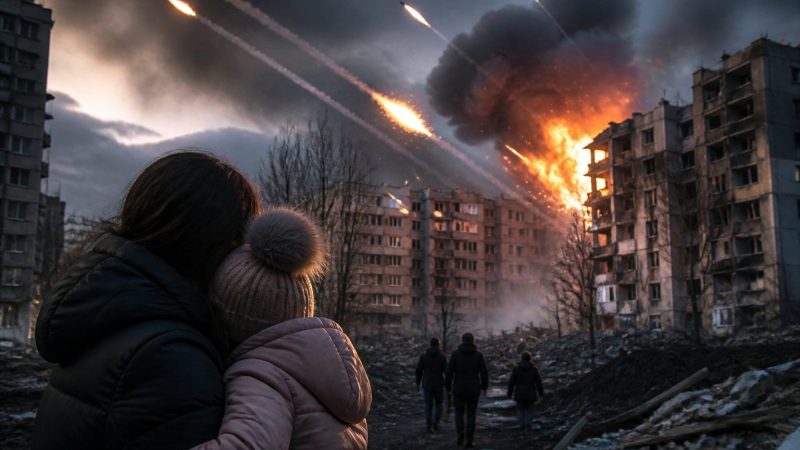
The U.S. strikes on Iran are a serious warning that the conflict in the region is no longer sitting at the edge of a wider war. After the attempted attack on American troops in Jordan, the Trump administration moved from threats to action, and that shift should concern every American who understands how quickly events in the Middle East can spill over into our lives at home.

Officials say the strikes were a response to the assault on U.S. troops. That matters, because no president can shrug off attacks on American service members and expect deterrence to hold. A country that refuses to answer force with force invites more testing, more chaos, and more danger for the men and women we send into harm’s way. On that basic point, the administration has a strong case.

Still, strength without discipline can become a trap. Once the first round of retaliation begins, the danger is not only what the enemy does next, but how far the United States is drawn into a conflict with no easy exit. Many Americans are rightly tired of open-ended foreign entanglements. They want a government that protects our troops, defends our interests, and avoids sliding into another prolonged crisis that drains attention from border security, inflation, and the everyday burdens families already carry.

That is why the case for the U.S. strikes on Iran is persuasive only if it stays tied to a clear purpose. The goal should be simple: deter attacks on American forces, protect U.S. personnel, and make plain that targeting our troops comes with consequences. If the mission starts drifting toward grand ambitions, vague promises, or mission creep, then the country pays the price long after the headlines fade.

The strongest argument against the strikes is not weakness. It is prudence. There is a difference between defending American lives and opening the door to a broader conflict. Diplomacy still matters, even when it is unpopular or difficult. The United States should not abandon it just because the moment is tense. A strong nation can use force and still keep channels open when that serves the national interest.

But diplomacy only works when backed by credibility. Tehran and every other adversary watches whether American warnings mean anything. If hostile actors believe they can hit U.S. forces and face no meaningful response, the problem grows. The administration is right to signal that American troops are not fair game. The harder question is whether officials can pair that message with restraint, clarity, and a real end state.

In the days ahead, Americans should watch not just for more strikes, but for whether leaders explain the mission in plain language and keep Congress and the public informed. The country needs accountability, not drift, and it needs protection for our troops without carelessness about the costs. Why this matters to you: when Washington enters a conflict with Iran, the risks do not stay overseas for long.

Frequently asked questions

Why did the U.S. strike Iran, according to the article?
Officials said the strikes were a response to the assault on U.S. troops in Jordan. The article says the administration moved from threats to action after that attack.
What does the article say the main goal of the strikes should be?
The goal should be to deter attacks on American forces, protect U.S. personnel, and show that targeting U.S. troops has consequences. The article warns against mission creep beyond that purpose.
What is the article’s main concern about the strikes?
It says strength without discipline could draw the United States into a broader conflict with no easy exit. The danger is that retaliation could grow into a prolonged crisis.
Does the article reject diplomacy with Iran?
No. It says diplomacy still matters and should not be abandoned just because the situation is tense. But it also says diplomacy works only when backed by credibility.

💬 Discussion (0)

This is an open discussion — reply to others or start a new comment below.

Be the first to share your opinion on this story.

Share your opinion

Comments are reviewed before they appear.

More from Opinion

View all →
📨

Never Miss a Story

Get the headlines that matter delivered straight to your inbox.