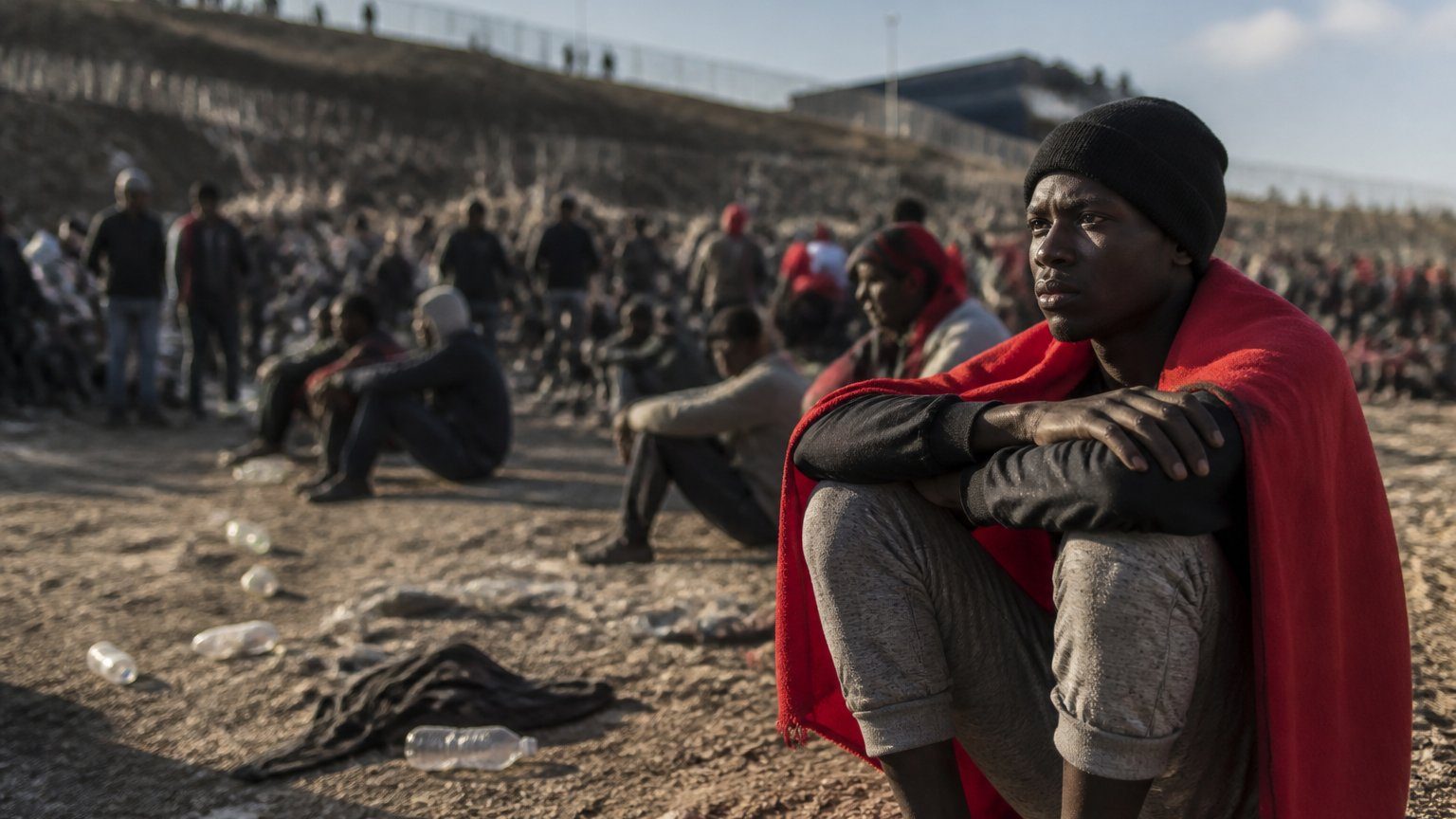
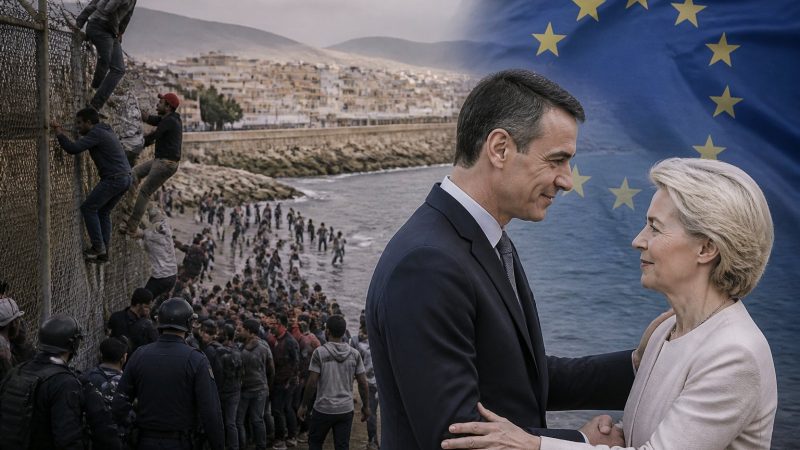
Ceuta migrant crisis leaves thousands still in the Spanish territory as leaders warn of deaths, unrest and pressure for more crossings.
The Ceuta migrant crisis is still gripping Spain’s North African enclave, with its leader saying between 3,000 and 5,000 migrants remain there after a mass arrival last week. Juan Jesús Vivas told the European Parliament that the territory is facing an ongoing emergency after far larger numbers reached Ceuta from neighboring Morocco in a matter of hours.
Vivas said he felt deep sorrow over what he called an irreparable tragedy involving 100 deaths tied to the crossings. He told lawmakers that around 78,000 migrants had come by sea during the sudden surge, while nearly 75,000 were returned to Morocco. Even with those returns, he said, the situation in Ceuta has not gone back to normal and public order is still under strain.
The conservative local leader used his appearance in Brussels to criticize Spain’s national response, saying he had told Socialist Prime Minister Pedro Sánchez that it came too late and was not enough. Vivas also said local officials had warned earlier about rising sea crossings, only to be ignored. His remarks highlighted a familiar divide in Europe: local authorities on the front line want faster action, while national and EU institutions try to balance border control, humanitarian needs and diplomatic fallout.
The Spanish government has moved armed forces to Ceuta and to Melilla, Spain’s other territory on the north African coast, and the European Commission praised Madrid’s swift response. At the same time, the crisis has drawn criticism inside Spain and opened tensions among European Union members that share open internal borders. Italy suspended its Schengen arrangement with Spain, with Finland and Denmark backing the move, and the Czech Republic urged that Spain’s membership be temporarily suspended. Sánchez has said Ceuta is not part of Schengen.
“Ceuta migrant crisis leaves thousands still in the Spanish territory as leaders warn of deaths, unrest and pressure for more crossings.”
Questions remain over why such a large number of people tried to enter Ceuta and why Moroccan border guards did not stop them. Vivas described the episode as an unequivocal attack and said residents are frightened and anxious because they do not know whether it could happen again. Spanish Interior Minister Fernando Grande-Marlaska has said he is working firmly with Morocco to prevent further violations and that migrants still in Ceuta will be returned as soon as possible.
The dispute has also pulled in Brussels. EU Migration Commissioner Magnus Brunner said criminal networks spreading false information may have fueled the crossings, a view Sánchez has echoed. Brunner has urged the bloc to use all of its leverage, including visa policy and trade, to secure Moroccan cooperation on migration. Morocco, meanwhile, has blamed Spain’s Supreme Court ruling that migrants stopped at sea while trying to reach Ceuta or Melilla cannot be summarily sent back.
Ceuta’s strained response has been especially sharp when it comes to children. Spain’s interior minister said €25 million had been set aside to help minors in the territory, but local reports say volunteer groups have registered 4,860 migrant children, far above official estimates. A volunteer told El Mundo that neighbors were taking children into their homes, but that the situation was unsustainable. No children have yet been moved to mainland Spain, with right-wing local authorities reluctant to accept them, according to El País.
Fresh concern is now building over whether another wave could follow. Moroccan media reports new online calls for mass crossings, including messages inviting people into closed WhatsApp groups and posts tied to migration to Spain and work opportunities there. The Ceuta migrant crisis matters beyond one border crossing because it has exposed how fast social media, court rulings, border security and EU politics can collide — and Americans watching Europe can see how quickly a migration shock can ripple across alliances and institutions.
Frequently asked questions
How many migrants are still in Ceuta?
Juan Jesús Vivas said between 3,000 and 5,000 migrants remain in the Spanish territory after last week’s surge.
What response has Spain taken?
Spain has deployed armed forces to Ceuta and Melilla. The interior minister also said the government is working with Morocco to stop further violations.
Why is the crisis causing tension in Europe?
The crossings have stirred criticism of Spain’s handling of the situation and prompted friction among EU countries that share open borders under Schengen.
Are officials worried about another surge?
Yes. Moroccan media reported new online calls for another mass crossing attempt, including posts and messages tied to Migration to Spain.
We value your privacy 🍪We use cookies for essential features and, if you allow it, to send you a notification whenever we publish a new story. See our Privacy Policy.
📨
Never Miss a Story
Get the headlines that matter delivered straight to your inbox.
📱 On iPhone: tap the Share icon, choose “Add to Home Screen”, then open TheTrueDefender from your Home Screen and tap 🔔 to turn on notifications. (Apple only allows notifications for saved web apps.)
🔔
Never miss a breaking storyGet free alerts the moment big US news breaks.
1Tap the ••• menu at the bottom of the screen, then tap Share(in Safari, just tap Share in the bottom bar directly)2Scroll down the menu and tap Add to Home Screen3Tap Add in the top-right corner4Open TheTrueDefender from your Home Screen, then tap 🔔 Subscribe and choose Allow
📱 Add TheTrueDefender to your home screen for one-tap access.