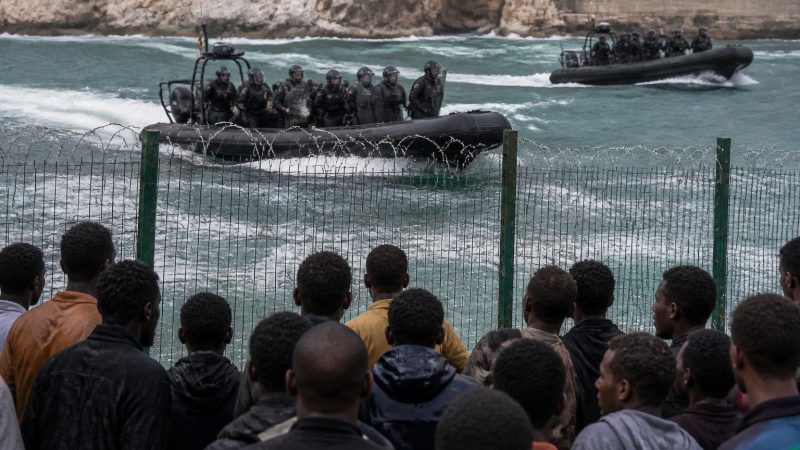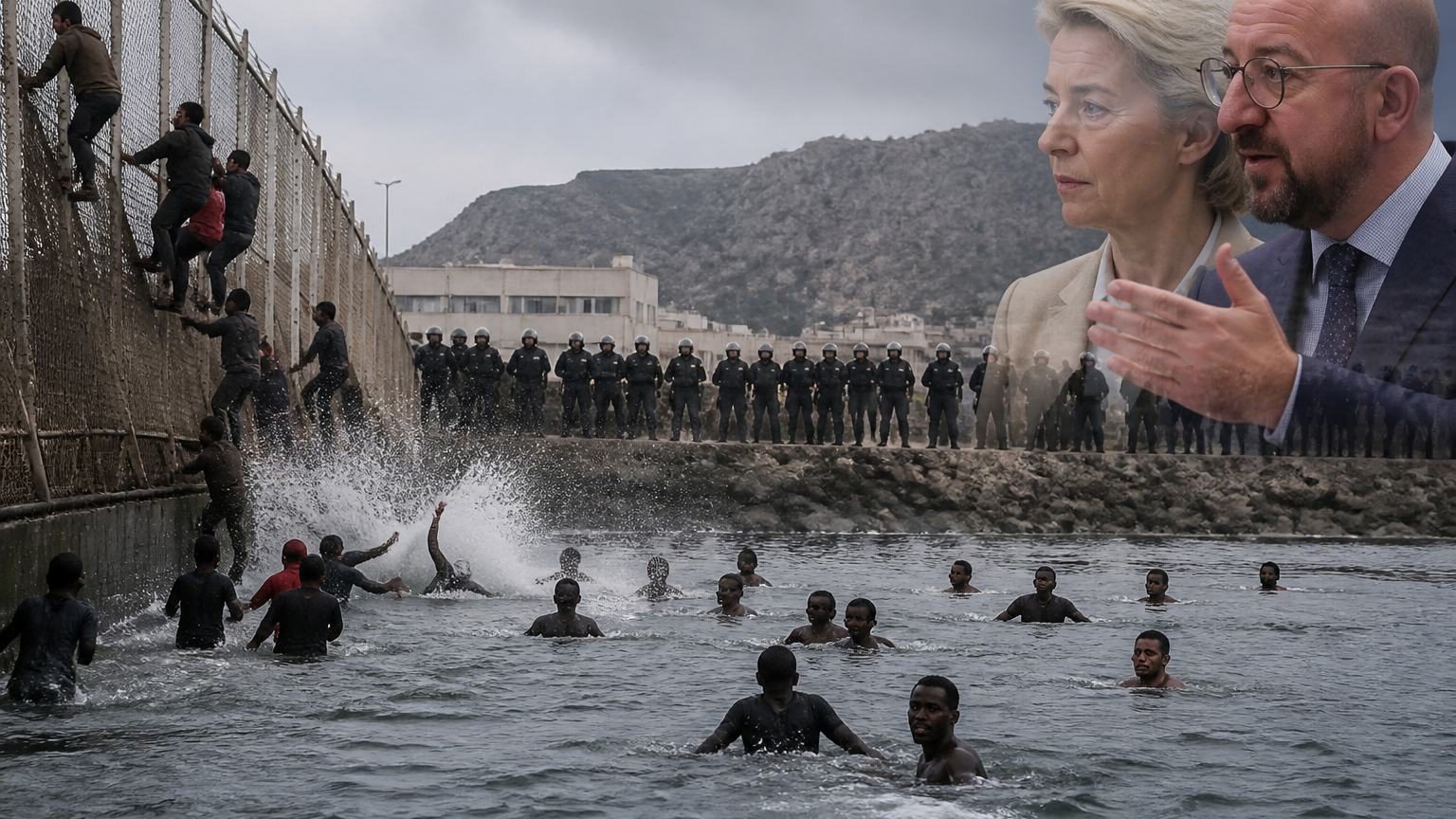
Spain’s Ceuta migrant crossings have set off a widening dispute across Europe, after Madrid condemned what it called the “selfish, polarising and unlawful” response of some European Union governments to the influx from Morocco. The backlash came as Italy temporarily suspended its Schengen arrangement with Spain, and Prime Minister Giorgia Meloni described the scenes in the North African enclave as shocking.
Spanish officials said almost everyone who reached Ceuta on 30 July has now returned. Spain’s interior minister, Fernando Grande-Marlaska, said on Saturday that the death toll had climbed to sixty-seven. The government has also said it regained control of the border quickly and stopped any unauthorized movement toward mainland Europe in less than two days.
The political fallout has spread well beyond Madrid. Finland and Denmark backed Italy’s move, while Czech Prime Minister Andrej Babiš called for a temporary suspension of Spain’s Schengen membership. France tightened checks along its border with Spain and said it would increase police presence, and Portugal said it was considering reinforcing its own border controls.
In a letter to European Commission President Ursula von der Leyen, Spanish Prime Minister Pedro Sánchez said he had serious concern about the reaction from some European capitals. He argued that most governments had shown support and solidarity, but said others were attacking Spain out of prejudice, falsehoods, ignorance, or political interest. He also stressed that Ceuta is not part of the Schengen area.
Italy’s move marked one of the most forceful reactions. Meloni said uncontrolled immigration threatened national security before Italy suspended the border-free arrangement with Spain for a month. Spain answered by summoning the Italian ambassador in Madrid. Its foreign minister said he expected European solidarity rather than partisan demagoguery.