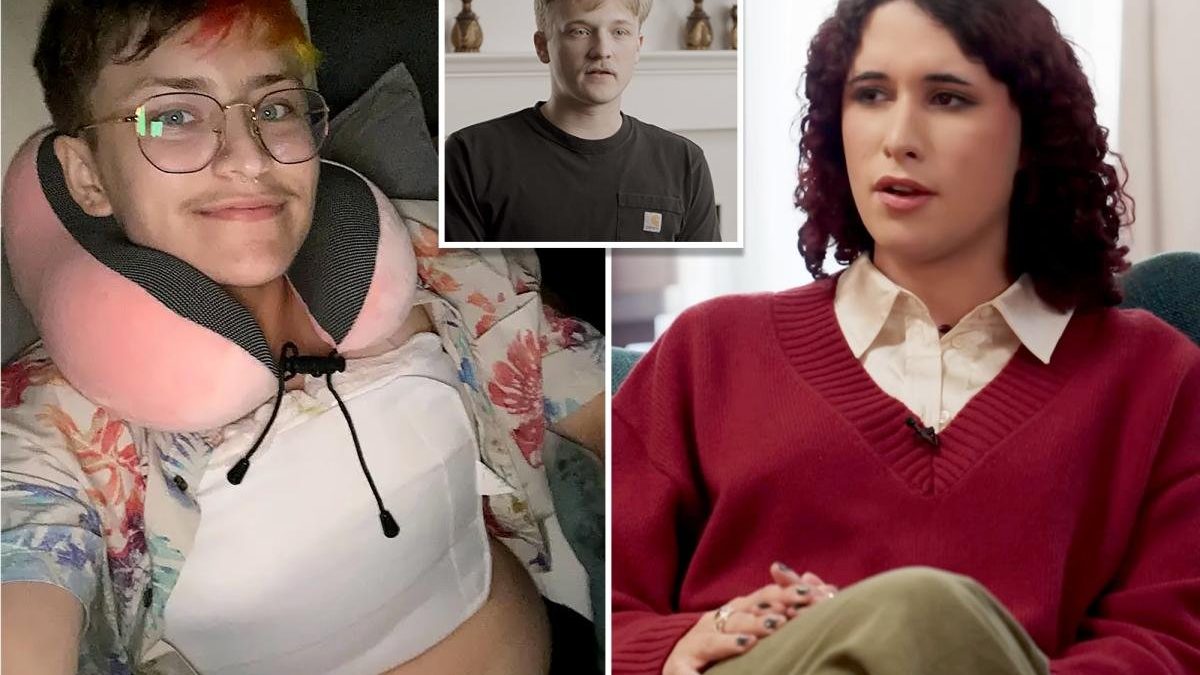
The HHS report on gender-transitioning treatment released Thursday says three young people were pushed quickly into gender care while they were minors, with doctors and hospitals encouraging major interventions and little room for pause. The account, titled Wolves in White Coats, centers on Clementine, Soren and Luke, whose experiences the report uses to argue that some teens were steered into life-changing treatment before their situations were fully understood.
Clementine’s case is the starkest. HHS says she was 12 when she was struggling with puberty fears and unresolved trauma from sexual abuse years earlier. After finding the idea of transitioning online, she raised the issue with a school guidance counselor, who contacted her parents. The report says that within months the counselor helped coordinate social transition steps, including explaining transgenderism to classmates. At Children’s Hospital Los Angeles, doctors allegedly told her parents that their daughter was “100% trans” and at high risk of suicide without medical intervention. Her family agreed to puberty blockers, then testosterone at 13, and a double mastectomy at 14.
According to the report, Clementine’s health worsened after treatment. It says she developed insomnia, disordered eating, anger outbursts and a psychotic episode. HHS says none of her doctors linked those problems to hormone therapy and instead prescribed psychiatric medications including Zoloft, Seroquel, Guanfacine and Hydroxyzine. The report says only after serious therapy did she begin to connect her gender confusion to her sexual abuse, and she later stopped taking testosterone at 18. Clementine now studies theater at UCLA, but still lives with the effects of what she went through. She asked, “How can a child consent to losing fertility or the ability to breastfeed if no one checks whether she even understand what that means?”
The HHS report describes a similar pattern in Soren’s case. She was a teen when she began feeling distress about her body and gender identity, then turned to online communities that framed gender transition as the proper answer. When she reached a doctor, the report says she was placed on testosterone and seen by a network of specialists, including therapists, doctors and surgeons, while the treatment model focused on “sex rejection.” She later had a double mastectomy and suffered severe complications that left her in pain she said she would never forget. HHS says her care after surgery was minimal, and that providers did not set up a structured reassessment even after the negative outcomes.
Luke’s story in the report begins at age 10, when he spent time online exploring anime and fantasy and encountered adults discussing transgenderism. Within three years, HHS says, he believed he was a girl and told his parents, who took him to a counselor. The report says the only people who seriously asked what might have caused his distress were his parents, while institutions quickly accepted the new identity. His parents refused puberty blockers and hormones while he was still a minor, which the report says Luke later called one of the bravest things they ever did. After turning 18, he began estrogen and sought surgical consultations, but said the experience felt more like pressure for more procedures than support for his mental health.