⚡ LATEST
Malaysia School Killing Trial Fuels Social Media Debate

Malaysia School Killing Trial Fuels Social Media Debate

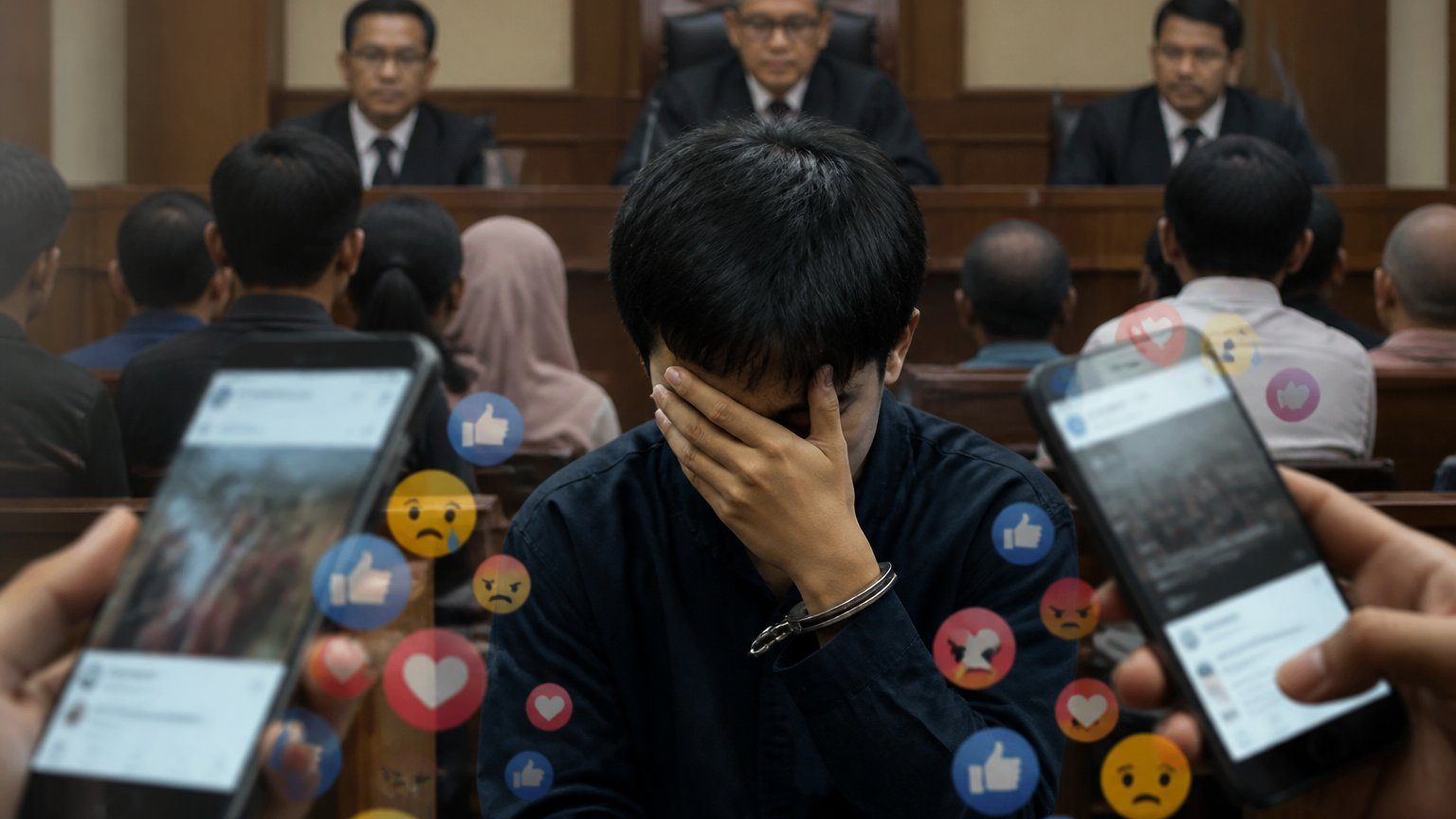
Malaysia school killing trial centers on a teen accused of murdering a classmate and has intensified debate over social media’s effect on children.

A Malaysia school killing trial is drawing national attention as a teenage boy faces allegations that he murdered a female classmate at a secondary school near Kuala Lumpur. The case, which has gripped the country, is now part of a wider argument over how social media may be shaping children’s behavior.

The boy is accused of killing 16-year-old Yap Shing Xuen last October. Police said the girl was found stabbed multiple times in a toilet at the school on the outskirts of the Malaysian capital. The defendant, who was 14 at the time, has pleaded not guilty and could face decades behind bars if convicted.

Authorities have said they believed social media may have played a role in influencing the boy. Police also confirmed that a note was discovered on him when he was arrested, and reports about what it may have contained added momentum to the public discussion surrounding the case. Under Malaysian law, he cannot be publicly identified because he is still a minor.

Because of his age, the boy would not face the death penalty if found guilty. He could still receive a prison sentence of 30 to 40 years and may also be flogged. Malaysia sets the age of criminal responsibility at 10, a fact that has helped keep attention fixed on how young offenders are treated when serious violence is alleged.

The case has prompted a broader reckoning in Malaysia, where concern has grown about children’s exposure to online extremism and harmful content. Public debate has focused especially on the manosphere and incel culture, terms now familiar far beyond specialist internet circles because of how they appear in discussions of teen radicalization and violence. Some observers have compared the case with the Netflix series Adolescence, which examines related themes.


Prime Minister Anwar Ibrahim was asked about the killing and other school violence cases last year. Local media quoted him saying that “almost all of these issues stem from the use of mobile phones and social media,” and he pledged to examine stricter measures. That response reflected the pressure on Malaysian leaders to show they are acting on a problem many parents see as reaching into family life and classrooms.

Since then, authorities have introduced new rules they say are designed to protect children and cut their exposure to harmful online material. Since June, Malaysia has barred all children under 16 from holding accounts on major social media platforms.

The Malaysia school killing trial matters beyond one courtroom because it sits at the intersection of child safety, criminal justice, and the power of online platforms. For American readers, it is another reminder that debates over social media and young people are no longer confined to one country, and that governments are increasingly moving from concern to regulation.

Frequently asked questions

Who is on trial in Malaysia?
A teenage boy is on trial for allegedly killing his female schoolmate, Yap Shing Xuen. He cannot be publicly identified because he is still a minor.
What is the boy accused of doing?
He is accused of murdering 16-year-old Yap Shing Xuen last October at their secondary school near Kuala Lumpur. Police said she was found stabbed multiple times in a toilet.
What punishment could he face if convicted?
He would not face the death penalty because of his age, but he could still receive 30 to 40 years in prison and could also be flogged.
How has the case affected Malaysia?
It has sparked a nationwide debate about Social Media, children, and online radicalization. Authorities have since banned children under 16 from major social media platforms.
Full coverage: Social Media

More from World

View all →
📨

Never Miss a Story

Get the headlines that matter delivered straight to your inbox.