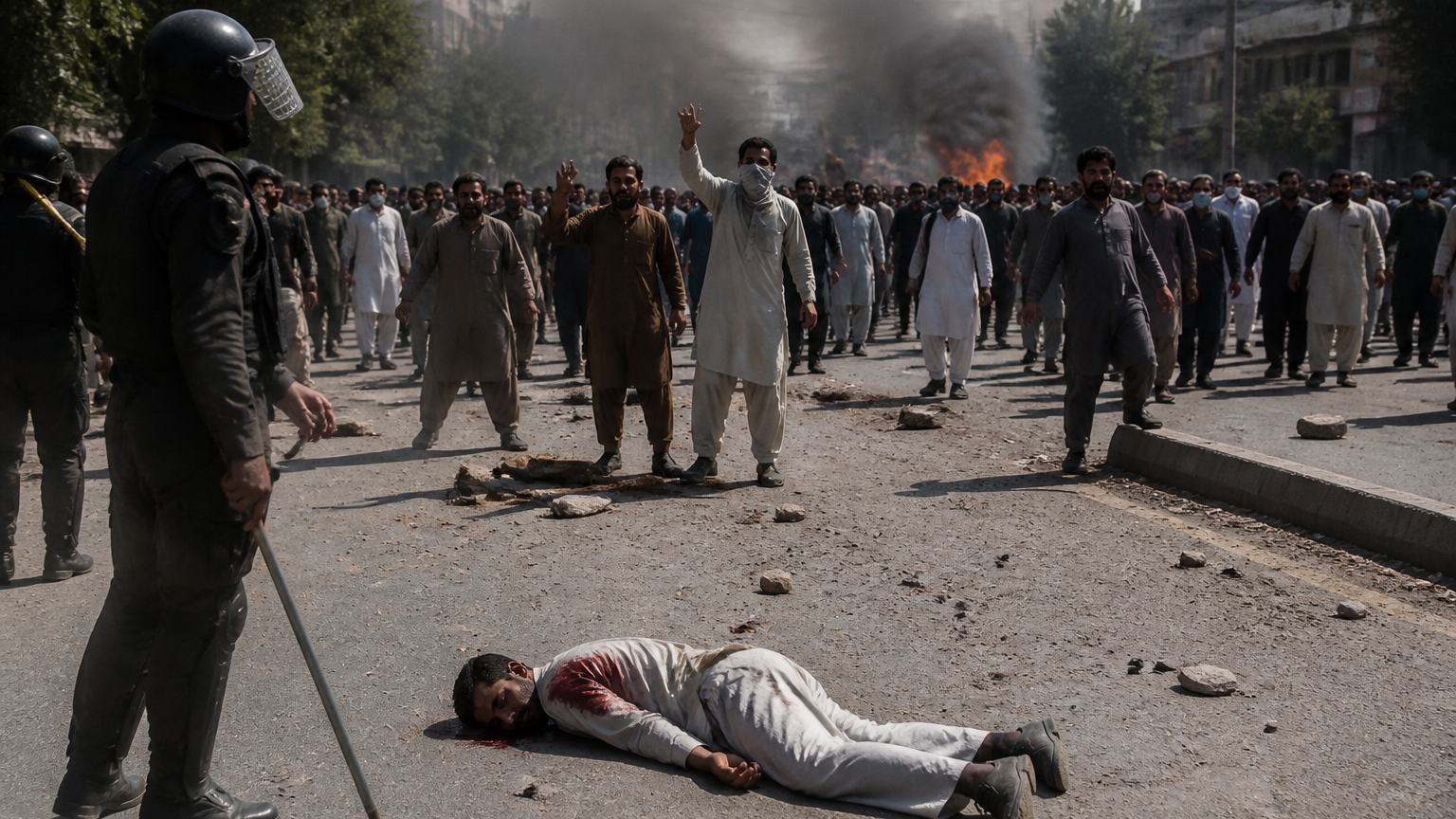
Deadly Rawalakot protests have brought Pakistan-administered Kashmir to a breaking point, with clashes between security forces and demonstrators leaving dozens dead over the past two months. In the city of Rawalakot, where elections are underway, the violence has pushed clinics, hospitals and ordinary families into a crisis that is still unfolding.
The BBC was given rare access to Rawalakot and spoke with people at the center of the Rawalakot protests, including a doctor treating the wounded and relatives of those shot during demonstrations. In a makeshift clinic near the main protest site, Dr Anwar said he had enough supplies for basic first aid, but not for patients with severe chest, head or abdominal wounds. He said the clinic had treated about 50 to 60 critically injured people since 27 July, including 15 to 20 with gunshot wounds.
One patient, Shafqat Hussain, lay on a bed with a chest wound and was described as dying. Outside the clinic, families told the BBC they feared taking injured protesters to the main hospital because they worried they could be arrested or shot. Authorities have said that claim is inaccurate. Dr Anwar said many of the wounded were young, often between about 15 and 16 and 32 to 35 years old, with few patients over 40.
The protests are being led by the Joint Awami Action Committee, known as JAAC, which says the movement is driven by demands for cheaper flour, lower electricity prices, and better education and health care. Supporters say an agreement signed in October with the Pakistan and Pakistan-administered Kashmir governments was supposed to address those concerns, but they say it has not been carried out. Local authorities disagree, saying the group is armed and trying to derail the vote while blocking a march to Muzaffarabad, the regional capital.
The government in Pakistan-administered Kashmir banned JAAC in June and has labeled it foreign-funded terrorists, a charge the group rejects. JAAC members say they are peaceful, deny any Indian backing, and accuse Pakistan’s security forces of firing on protesters. The administration says law enforcement acted only against people who attacked officers, threatened public safety or blocked lawful authority.