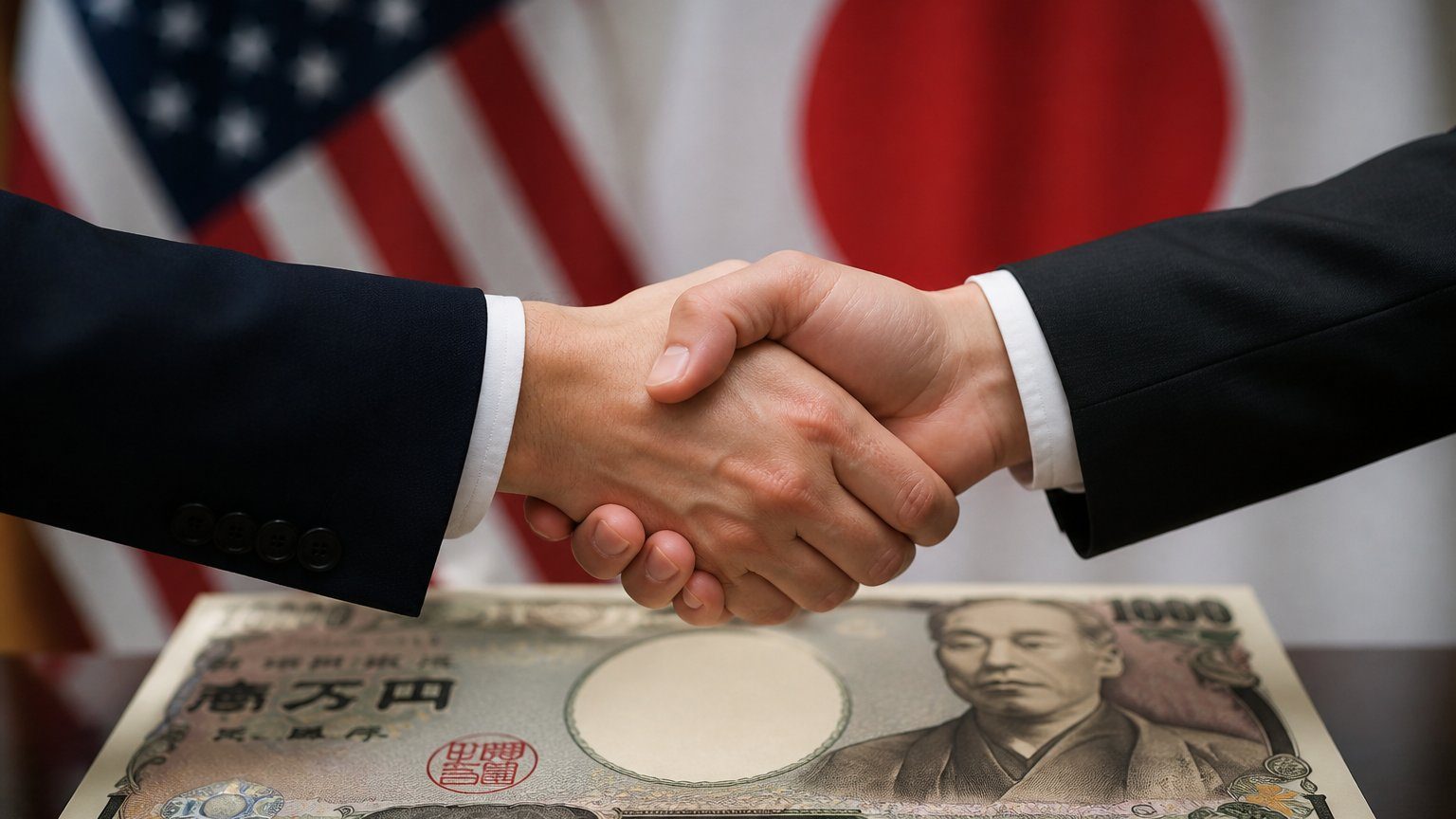
US and Japan joint intervention to support the yen took place last week after the Japanese currency slid to a fresh 40-year low. Officials in Tokyo and Washington later confirmed they had acted together to slow the drop, a rare move that underlined how worried both governments are about market instability.
The coordinated step was the first of its kind since 2011, when the two countries worked together to weaken the yen after the devastating earthquake and tsunami in eastern Japan. This time, the goal was the opposite: to prevent a further sell-off in the yen and in Japanese government bonds from spilling over into the wider global economy and adding pressure to borrowing costs in Washington.
Japan’s finance ministry said the intervention with the US Treasury Department was aimed at countering excessive volatility and disorderly movements in the yen in recent months. Treasury Secretary Scott Bessent said the coordinated foreign exchange actions were meant to confront disorderly yen moves, and added that the United States strongly supports Japan’s market and monetary steps to correct what he called the yen’s substantial undervaluation.
President Donald Trump also backed the move publicly, telling reporters on Sunday that Japan wanted “a little bit of help” and that the United States is always there for Japan. The dollar slipped to 157.07 yen after his remarks, before edging back to 157.70 yen after the Japanese finance ministry issued its statement.
Market watchers say the move reflects more than a one-off defense of a weak currency. Shigeto Nagai, head of Japan economics at Oxford Economics, said the United States agreed to take part because the intervention served its own national interests at a relatively low cost. He also said the two countries are likely to continue intervening intermittently in a coordinated way for some time.