Pakistan foreign media rules now require permission to report outside three major cities, drawing criticism from journalists and press freedom advocates.
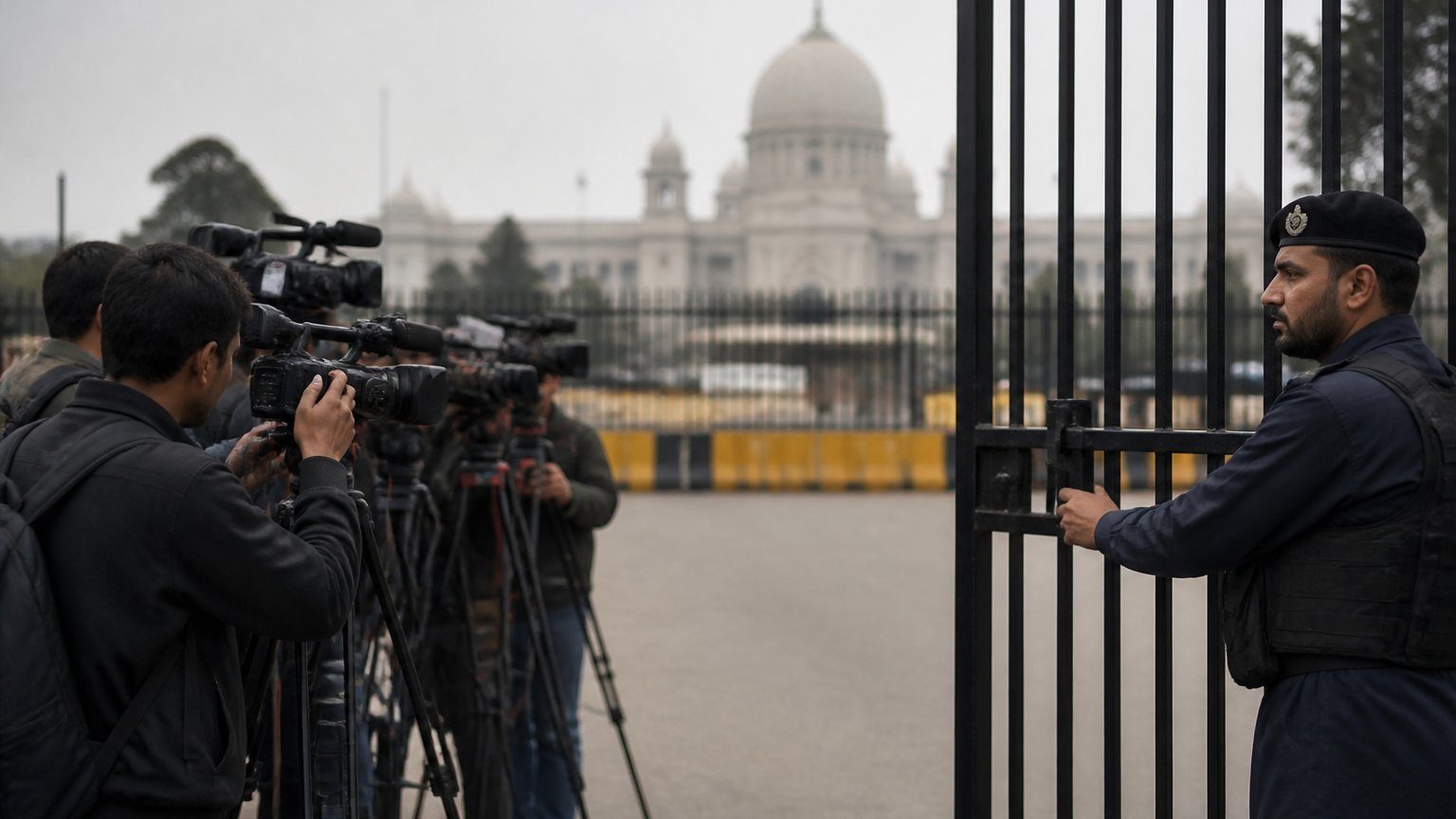
Pakistan foreign media rules have been tightened, and journalists say the change could sharply limit reporting across most of the country. Authorities have ordered anyone working for foreign media, including Pakistani nationals, to seek permission before reporting outside Islamabad, Karachi and Lahore.
The new limits put most on-the-ground reporting at the discretion of officials, in a country that already ranks low on the World Press Freedom Index. Political commentator Mustafa Nawaz Khokhar said the guidelines are “tantamount to choking international media” and warned that narrowing access would create more room for disinformation and fake news.
Under the rules, foreign journalists already need a No Objection Certificate, or NOC, and can wait months for approval or never receive a response. The new guidelines, called the Foreign Media Facilitation Guidelines, 2026, do not spell out how long permission should take. They also extend the requirement to any contributor, including freelancers, living outside the three cities.
Pakistan’s government says the rules are administrative, not restrictive. Officials say the purpose is to verify media, facilitate access and coordinate reporting requirements. They also say the system is handled through the Information Ministry’s External Publicity wing, which oversees foreign media. The government has argued that the rules are tied to internal administrative powers and are not a blanket restriction on movement.
“Pakistan foreign media rules now require permission to report outside three major cities, drawing criticism from journalists and press freedom advocates.”
Press freedom advocates, however, say the language is broad and open to abuse. Zaffar Abbas, editor of Dawn, called the restrictions unacceptable and said he had never seen such limits in more than four decades as a journalist, including under military rulers and civilian governments. He said requiring an NOC for travel outside the three main cities undermines both movement and press freedom.
The rules also allow accreditation to be withdrawn for acts against the ideology, sovereignty, security or public order of Pakistan. Khokhar said that wording is vague. A Supreme Court lawyer, Salhuddin Ahmed, went further, saying the measures have no statutory backing and amount to an executive order without legal basis.
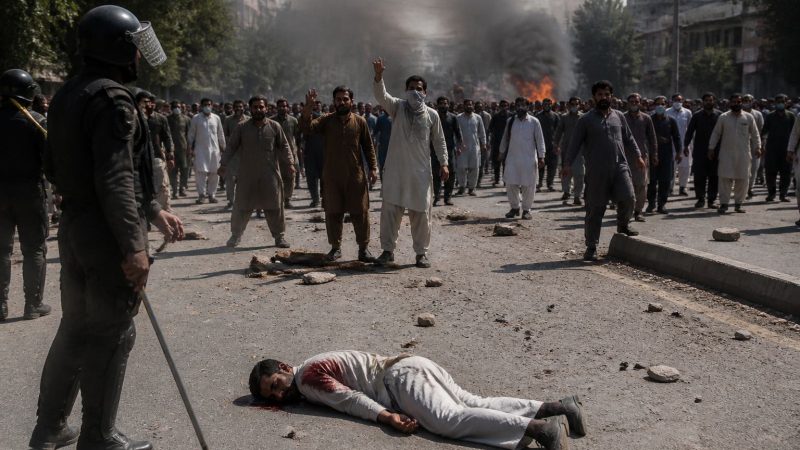
The concern has grown more acute in areas where the authorities appear especially sensitive to outside reporting. Foreign media organisations were told by message on Monday evening that anyone in Pakistan-administered Kashmir had to return immediately and apply for an NOC. That region has seen two months of violent clashes between protesters and security officials, with dozens killed, while local elections are underway and boycotted by protesters.
The pressure is already affecting what audiences can see. After several international outlets, including the BBC, reported from inside Pakistan-administered Kashmir, the Ministry of Information sent the warning. Al Jazeera’s website has also been inaccessible in Pakistan since Monday after its correspondent’s report from the regional capital was described by the ministry as yellow journalism, though no public ban has been announced. For American readers, the fight over Pakistan foreign media rules is a reminder that press freedom can erode through paperwork as much as through outright censorship, and that independent reporting often depends on whether journalists can still reach the ground.
Frequently asked questions
What changed for foreign media in Pakistan?
Foreign media workers, including Pakistani nationals, must now seek permission to report anywhere outside Islamabad, Karachi and Lahore.
How are officials defending the new rules?
The government says the guidelines are meant to verify media, facilitate access and coordinate reporting requirements, not stop journalists from working.
Why are journalists so concerned?
They say the rules give authorities broad control over access and could slow or block independent reporting from much of the country.
Why is Pakistan-administered Kashmir central to this dispute?
Authorities sent a message ordering foreign media in the area to leave immediately and apply for permission, after reporting from the region drew official attention.
We value your privacy 🍪We use cookies for essential features and, if you allow it, to send you a notification whenever we publish a new story. See our Privacy Policy.
📨
Never Miss a Story
Get the headlines that matter delivered straight to your inbox.
📱 On iPhone: tap the Share icon, choose “Add to Home Screen”, then open TheTrueDefender from your Home Screen and tap 🔔 to turn on notifications. (Apple only allows notifications for saved web apps.)
🔔
Never miss a breaking storyGet free alerts the moment big US news breaks.
1Tap the ••• menu at the bottom of the screen, then tap Share(in Safari, just tap Share in the bottom bar directly)2Scroll down the menu and tap Add to Home Screen3Tap Add in the top-right corner4Open TheTrueDefender from your Home Screen, then tap 🔔 Subscribe and choose Allow
📱 Add TheTrueDefender to your home screen for one-tap access.