⚑ LATEST
Nigeria Orders Major Raise for Junior Soldiers

Nigeria Orders Major Raise for Junior Soldiers

Nigeria's salary increase for junior soldiers will lift pay by up to 80% as President Bola Tinubu moves to bolster forces facing mounting insecurity.

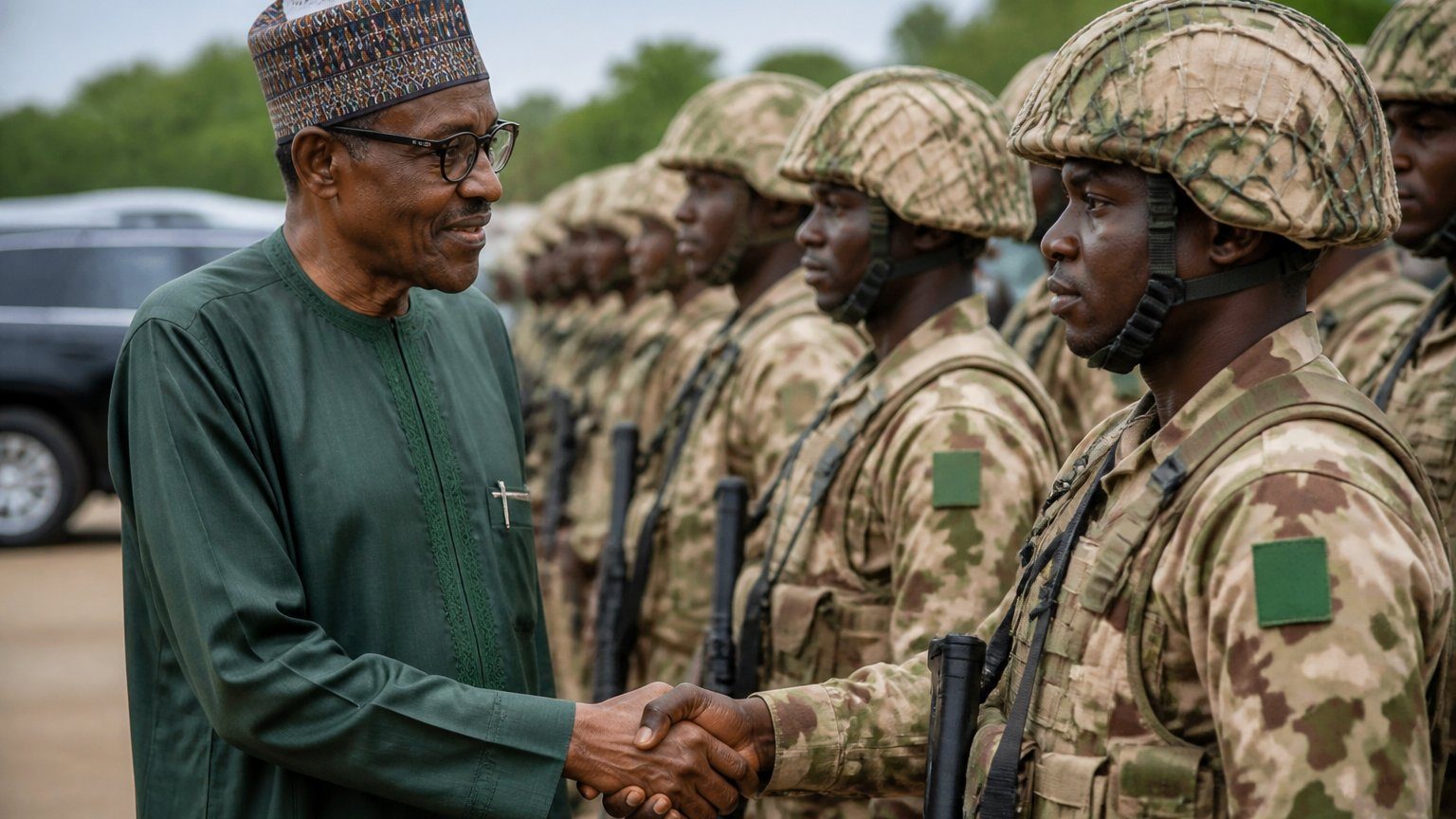
Nigeria's salary increase for junior soldiers is the latest move by President Bola Tinubu to shore up the armed forces as the country battles multiple security threats. Under the new order, the lowest-ranking troops will see their monthly pay rise sharply, in what the president described as a show of deep appreciation for those facing banditry, kidnapping and terrorism.

The change means privates, who received a pay boost in July from $36 to $73 a month after a defence ministry decision, will now be paid $132 from September. Tinubu's intervention comes only weeks after that earlier raise and follows a broader push to strengthen the military's ability to respond to armed groups operating across the country.

That wider effort has already included a directive to recruit 28,000 additional soldiers and create four new army divisions. Tinubu has also said his administration will keep prioritising troop welfare while modernising the armed forces with the weapons and technology needed to confront insecurity. The army is now set to have 12 divisions spread across Nigeria, a change officials say is meant to improve coordination, intelligence sharing and response times.

In his statement on the pay rise, the president praised the courage and sacrifices of service members confronting what he called the scourge of banditry, kidnapping and terrorism. He said those who keep families safe at home deserve support and appreciation, and urged troops to take the government's action as a sign of gratitude for their service to the country.

The decision comes against the backdrop of persistent violence that successive Nigerian governments have struggled to contain despite heavier spending and repeated military deployments. Islamist insurgents, including Boko Haram and the Islamic State West Africa Province, remain active in the north-east, while armed criminal gangs continue to loot and kidnap for ransom in parts of the north-west and north-central regions.
Other flashpoints also add to the strain on security forces. Separatist unrest persists in the south-east, and deadly clashes between farmers and herders continue to claim lives and deepen tensions in rural areas. With so many fronts open at once, the salary move reflects not just a welfare decision but a recognition that Nigeria's military is being asked to do far more than one force can easily handle.

The financial cost is significant. The military's annual wage bill is expected to rise from $484 million to $678 million, a jump that has drawn concern about whether future administrations will be able to sustain the burden. A retired major general, Bashir Galma, said the increase was long overdue, but warned that other security agencies should also receive similar reviews and that basic welfare items such as uniforms, boots and rifles still need attention.

Serving personnel approached for comment said they would wait to see the new salaries reflected in their bank accounts. That caution captures the larger challenge facing Tinubu: raising pay may help morale, but Nigeria's deeper security crisis will still demand better equipment, stronger coordination and a durable plan to restore order. For Americans watching global security trends, Nigeria's move shows how expensive it is when a government must fight multiple armed threats at once, and why troop welfare often becomes part of the battle for stability.

Frequently asked questions

How much will junior soldiers in Nigeria be paid now?
Privates will receive $132 a month from September, after previously getting $73 following a July increase.
Why did President Bola Tinubu approve the raise?
He said it was a sign of appreciation for troops confronting banditry, kidnapping and terrorism across the country.
What other military changes has Tinubu ordered?
He ordered the recruitment of 28,000 more soldiers and the creation of four new army divisions.
What security problems is Nigeria dealing with?
The country continues to face Islamist insurgency in the north-east, criminal gangs in other regions, separatist unrest in the south-east and clashes between farmers and herders.
Mexican Cartels Use Nigeria as Meth Hub
Up Next Β· in World

Mexican Cartels Use Nigeria as Meth Hub

3 min read Continue reading

β†Ί More from World

View all β†’
πŸ“¨

Never Miss a Story

Get the headlines that matter delivered straight to your inbox.