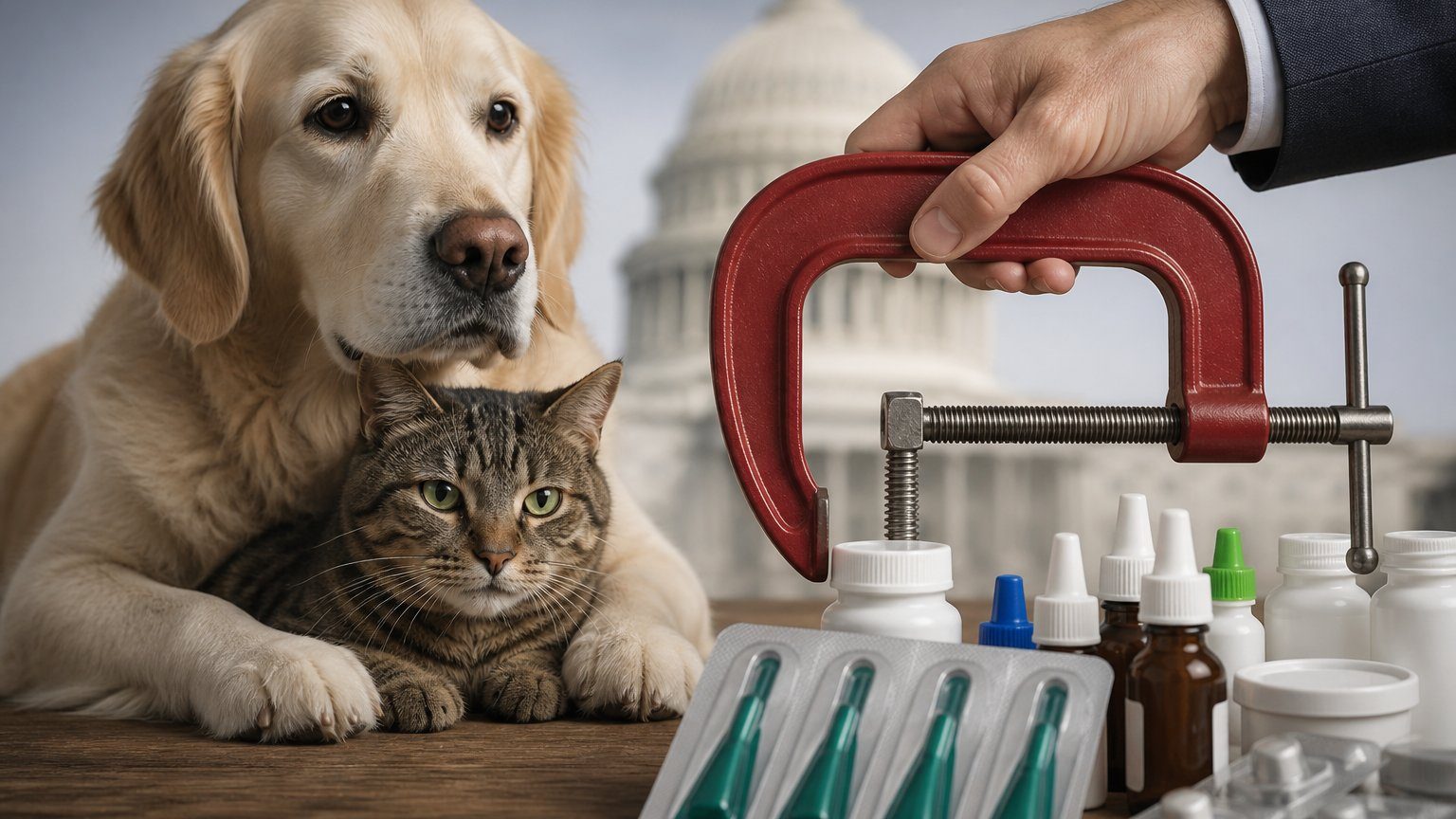
A House of Lords report says pet flea treatments sold over the counter may be harming rivers and wildlife, and wants sales restricted.
Pet flea treatments face a possible sales clampdown after the House of Lords environment committee urged the government to restrict the over-the-counter market. The committee said the widespread use of spot-on products for cats and dogs may be putting natural ecosystems at risk, and it called for stronger controls on who can sell them.
The treatments, which are used to prevent parasite infestations in fur and on skin, are now widely sold in supermarkets and online. The committee said that blanket monthly use, as many owners are advised to follow, is not backed by robust scientific evidence and may be doing environmental damage. It also heard that many vets do not treat their own pets every month, instead checking for fleas with combs and using products only when needed.
At the center of the concern is the pressure these chemicals may be placing on waterways. The committee said high levels of fipronil and imidacloprid, common ingredients in spot-on flea and tick products, have been found in UK streams and rivers. According to the committee, that pollution is killing aquatic life and can ripple through the food chain, affecting wildlife further up the line.
The report noted that those same chemicals have already been banned as agricultural pesticides because of their impact on wildlife such as bees. It also said very little is known about the environmental effects of newer compounds, including isoxazolines. On that basis, the committee recommended that only vets, pharmacists and other qualified professionals should be allowed to sell the products, while pet owners should be encouraged to take a more cautious approach.
“A House of Lords report says pet flea treatments sold over the counter may be harming rivers and wildlife, and wants sales restricted.”
Baroness Shas Sheehan, who chairs the committee, said the routine use of the treatments on household pets was “the equivalent of using a sledgehammer to crack a nut.” She said the report raised serious questions about the environmental risks tied to flea and tick treatments, as well as the way they are marketed to pet owners. She added that owners deserve accurate, evidence-based advice about both the need for the products and the risks linked to the chemicals in them.
The proposal has support from the British Veterinary Association, which backs a ban on over-the-counter sales. But the National Office of Animal Health, the industry trade body, defended risk-based use of parasite control products, saying they play a vital role in preventing disease in animals and reducing the spread of parasites from pets to people. It also said such treatments undergo rigorous scientific assessment before approval and continue to be monitored for safety and efficacy.
The committee also said vets should warn more clearly about possible harm to wildlife and that the risks should be more visible on packaging. It further called for a review of ties between the industry and UK and international veterinary medicine regulators, along with more research funded by the pet health sector on environmental impacts. Defra has already launched a call for evidence on the effect of these treatments on UK rivers, and the Veterinary Medicines Directorate said it wants to limit environmental harm while continuing to recognise the role these products play in protecting pets and people. For American readers, the takeaway is simple: pet medicine can carry environmental costs, and Britain is weighing whether access should be narrowed in the name of cleaner water and wildlife protection.
Frequently asked questions
What did the Lords committee recommend for pet flea treatments?
It said only vets, pharmacists and other qualified professionals should be able to sell them. It also urged a more cautious, risk-based approach for pet owners.
Why does the committee want sales restricted?
The committee said widespread monthly use is not supported by robust scientific evidence and may harm the environment. It pointed to chemicals in waterways and their effects on aquatic life.
Which chemicals raised concern?
The report cited fipronil and imidacloprid, both common ingredients in spot-on products. It also said very little is known about newer chemicals such as isoxazolines.
How have regulators and industry responded?
Defra said it is assessing the treatments to ensure correct use, and the Veterinary Medicines Directorate said it wants to limit environmental impacts. The industry trade group defended risk-based use and said the products are scientifically assessed before approval.
We value your privacy 🍪We use cookies for essential features and, if you allow it, to send you a notification whenever we publish a new story. See our Privacy Policy.
📨
Never Miss a Story
Get the headlines that matter delivered straight to your inbox.
📱 On iPhone: tap the Share icon, choose “Add to Home Screen”, then open TheTrueDefender from your Home Screen and tap 🔔 to turn on notifications. (Apple only allows notifications for saved web apps.)
🔔
Never miss a breaking storyGet free alerts the moment big US news breaks.
1Tap the ••• menu at the bottom of the screen, then tap Share(in Safari, just tap Share in the bottom bar directly)2Scroll down the menu and tap Add to Home Screen3Tap Add in the top-right corner4Open TheTrueDefender from your Home Screen, then tap 🔔 Subscribe and choose Allow
📱 Add TheTrueDefender to your home screen for one-tap access.