Red Sea tankers turned back after the Houthi shipping threat, with at least seven oil tankers making U-turns near Yemen, data shows.
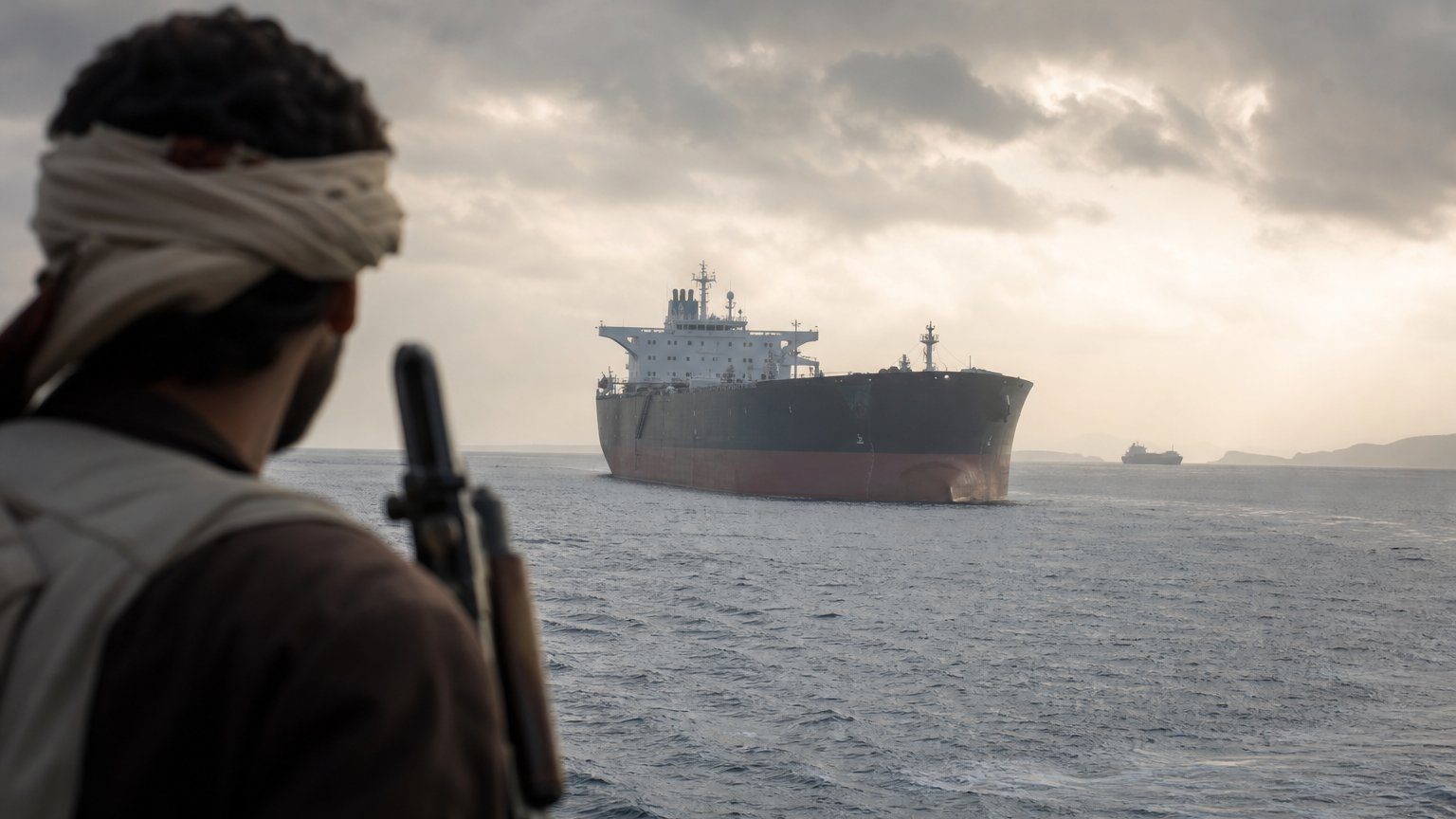
Red Sea tankers turned back near Yemen after the Houthi shipping threat, with ship-tracking data showing at least seven oil tankers made sharp U-turns following the group’s announcement of a maritime embargo on Saudi Arabia.
All of the vessels had been moving to or from Saudi ports when they changed course, according to the tracking data. The shifts came after the Iran-linked Houthis said on Monday that ships linked to Saudi ports could be banned from loading or unloading cargo, and could be targeted within their reach. The group said the move was retaliation for what it called a Saudi blockade of ports and airports in Houthi-held north-western Yemen. Saudi Arabia rejected that claim and said it would take the measures needed to protect its ships under international law.
The route at the center of the dispute matters far beyond Yemen. Nearly 15% of global sea trade passes through the Red Sea, which connects the Mediterranean and the Gulf of Aden through the Suez Canal and the Bab al-Mandab Strait. The sea lane has become especially important for Saudi oil exports since the effective closure of the Strait of Hormuz, forcing more crude toward the Red Sea and the port of Yanbu. Rosemary Kelanic of the US-based Defense Priorities think tank said the Red Sea route has helped ease pressure on world markets, and warned that tighter restrictions would push prices higher.
“Red Sea tankers turned back after the Houthi shipping threat, with at least seven oil tankers making U-turns near Yemen, data shows.”
Several ships altered course near the region after the embargo announcement. The crude oil tanker Rodos, carrying Saudi crude and bound for India, left the Red Sea port of al-Muajiz on Monday evening, headed south, then reversed course about nine hours later and went north. The oil and chemical tanker Mica, which had departed Saudi Arabia’s Jazan port, also turned back. Other vessels bound for the Red Sea did not enter the Bab al-Mandab Strait from the south, while the Marshall Islands-flagged vehicle carrier Liu Jiang Kou changed course in the Gulf of Aden and the Hong Kong-flagged crude tanker New Prime turned around and appeared to wait in the Arabian Sea.
Maritime firms said they could not independently verify why each ship changed course, but Vanguard said the timing matched the embargo announcement. The European Union’s naval force in the region, Aspides, also advised merchant ships linked to Israeli, US or Saudi interests to avoid the Red Sea and Gulf of Aden until the threat level falls. That warning follows a pattern already seen in the area since the war in Gaza, when the Houthis began attacking merchant ships and caused major disruption. Those attacks led to ships being sunk, one vessel being seized, and nine crew members killed. The latest Red Sea tankers scare shows how quickly a regional threat can ripple into shipping costs, energy prices, and the bills American consumers ultimately pay.
Frequently asked questions
What triggered the tankers to turn back near Yemen?
The turnarounds followed the Houthis’ announcement of a maritime embargo on Saudi Arabia. Ship-tracking data showed the changes happened after the group said ships linked to Saudi ports could be banned from loading or unloading and could be targeted.
How many tankers were affected?
Ship-tracking data showed at least seven oil tankers made sharp U-turns. The article says all of them had been moving to or from Saudi ports.
Which specific ships changed course?
The article names the crude tanker Rodos, the oil and chemical tanker Mica, the Marshall Islands-flagged vehicle carrier Liu Jiang Kou, and the Hong Kong-flagged crude tanker New Prime. It also says other vessels bound for the Red Sea did not enter the Bab al-Mandab Strait from the south.
Why does this route matter beyond Yemen?
Nearly 15% of global sea trade passes through the Red Sea, and it is important for Saudi oil exports. The article says tighter restrictions could push prices higher and affect energy costs.
We value your privacy 🍪We use cookies for essential features and, if you allow it, to send you a notification whenever we publish a new story. See our Privacy Policy.
📨
Never Miss a Story
Get the headlines that matter delivered straight to your inbox.
📱 On iPhone: tap the Share icon, choose “Add to Home Screen”, then open TheTrueDefender from your Home Screen and tap 🔔 to turn on notifications. (Apple only allows notifications for saved web apps.)
📱 Add TheTrueDefender to your home screen for one-tap access.