
⚡ LATEST
Social care reform: Four paths and the price

Social care reform: Four paths and the price

Andy Burnham wants major social care reform in England, and BBC Verify has examined four options — from a cost cap to a national care service.

Andy Burnham has called for major social care reform in England, saying the current system is bad for everybody and pressing ahead with talks that could reshape how care is funded. The social care reform debate moved back to the center this week after he said cross-party discussions with the Conservatives and Liberal Democrats would begin later.

Burnham also asked Baroness Casey, who is leading a review of social care, to bring forward her report. She is now due to set out recommendations in 2027, and her work will also examine how any changes might be paid for. BBC Verify has looked at four broad ways England could change the system, each with a different price tag and political risk.

One option is a lifetime cap on care costs, which would mean the government pays once a person’s bills pass a set threshold. A 2011 commission led by economist Andrew Dilnot proposed a cap of £35,000 and estimated the plan would cost between £1.3bn and £2.2bn a year at the time. That figure would be higher now because of inflation and an older population. The coalition government under David Cameron accepted the recommendations, but implementation was pushed back after the 2015 election.

Another route would be to change the means test that decides who gets local authority help with residential care. In England, people can currently qualify only if their assets, including their home, are worth less than £23,250. Boris Johnson’s government later planned to raise that threshold to £100,000, with an expected cost of £1.8bn a year over three years, though the proposal was later dropped by his Conservative successors. A different Conservative plan in 2017 would have counted a home in the means test for care at home, but it was attacked as a “dementia tax” and abandoned.

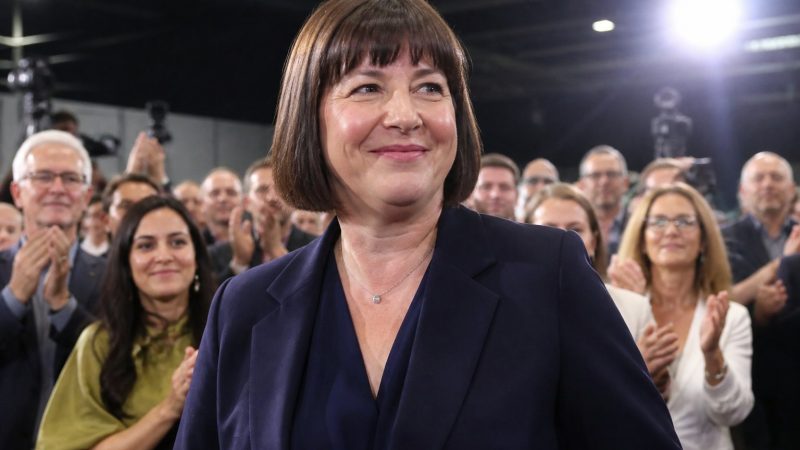
A third option would be to make personal care free at the point of use for everyone who qualifies on need alone, whether they receive it at home or in a care home. That would cover help such as washing, dressing and using the toilet, but not accommodation, food or everyday living costs. The Health Foundation says a Scottish-style system in England could cost £7.5bn a year by 2036. A fourth idea is a national care service, with universal personal care and national standards in a model closer in ambition to the NHS. The Health Foundation estimates that would cost about £19bn a year extra by 2036.

There is no single settled answer, and past proposals have repeatedly mixed elements such as a cap and a more generous means test. Burnham first raised a national care service idea when he was health secretary in 2010, but Labour lost that election and the plan went nowhere. The question now is whether this latest push can break a long political deadlock. For ordinary families, the stakes are simple: how much care costs, and how much of the burden falls on them.

Frequently asked questions

What are the four main social care reform options discussed?
They are a lifetime cap on care costs, a higher means test for local authority help, free personal care for those eligible on need, and a national care service with universal personal care and national standards.
How much could a lifetime cap on care costs cost the government?
A 2011 commission estimated a £35,000 cap would cost between £1.3bn and £2.2bn a year at the time. The article says that figure would be higher now because of inflation and an older population.
What is the current means test for residential care in England?
People currently qualify only if their assets, including their home, are worth less than £23,250.
How much would the more ambitious care reform options cost?
The Health Foundation says a Scottish-style free personal care system in England could cost £7.5bn a year by 2036, while a national care service could cost about £19bn a year extra by 2036.

More from Politics

View all →
📨

Never Miss a Story

Get the headlines that matter delivered straight to your inbox.