More than 120 MPs and peers are pressing Chancellor John Healey for an urgent review of the student loan repayment system, adding new political pressure to a long-running row over how graduates pay back what they owe. In an open letter coordinated by the campaign group Rethink Repayment, lawmakers argue the current setup places an unsustainable burden on younger workers.
The dispute has sharpened around Plan 2 student loans, which have been under close scrutiny this year. Those loans were taken out by students in England between September 2012 and July 2023 and are still issued in Wales. Borrowers repay 9% of earnings above the repayment threshold, but critics say the way the system is structured leaves many graduates facing a heavier load than they expected.
The letter says repeated changes to repayment thresholds, along with high interest and marginal tax rates, have made the system harder to bear. It argues that many middle-income graduates end up seeing less than half of pay rises after income tax, national insurance and student loan deductions are taken into account. The signatories say the framework now needs an urgent review so that it is fair, sustainable and supportive of aspiration.
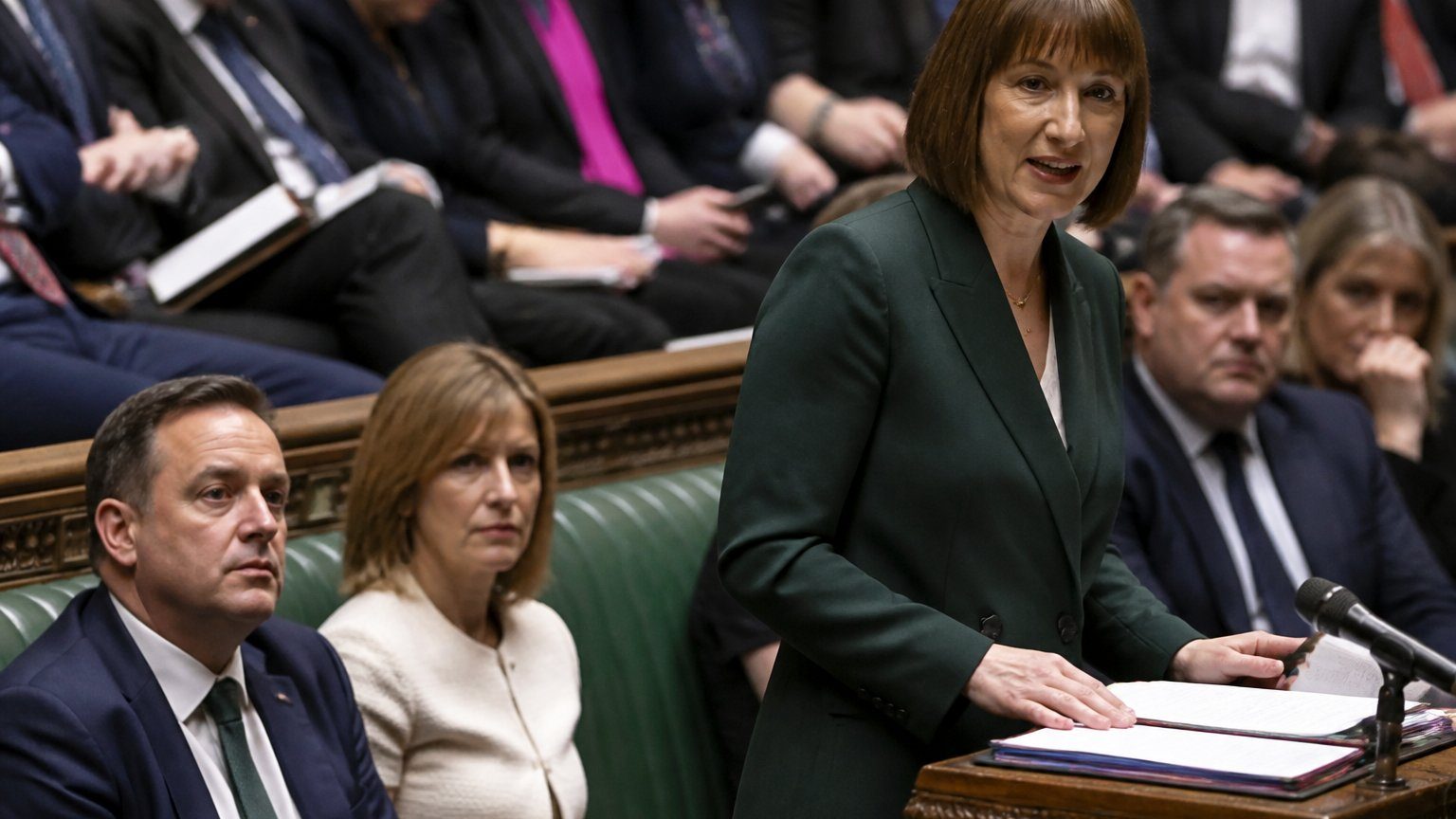
Attention has also turned to a decision made last November by then-Chancellor Rachel Reeves to freeze the Plan 2 repayment threshold at £29,385 between 2027 and 2030 instead of letting it rise with inflation. Campaigners want that move reversed, saying it would force students to begin repaying sooner than they otherwise would and increase what they pay as salaries rise. The Treasury select committee has also echoed that call in a report published after its inquiry into student loans last month.
That committee report pointed to a BBC investigation that found the government had compared Plan 2 repayments to £30-a-month phone contracts in promotional presentations to teenagers a decade ago. The report said that comparison was inaccurate for higher earners and amounted to mis-selling. The row has given fresh momentum to critics who say students were not given a clear enough picture of how the loans would work over time.