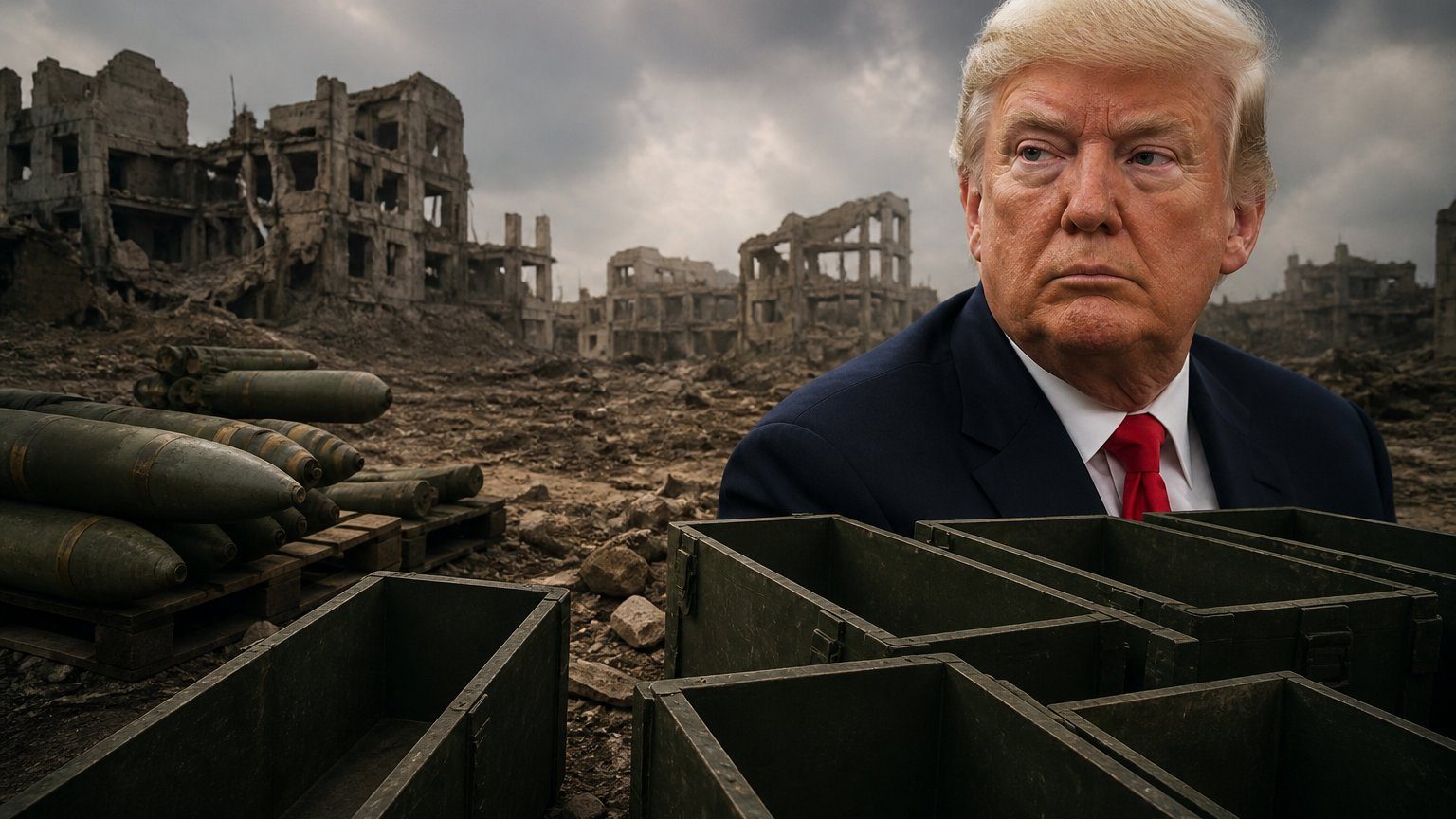
Trump denied a U.S. munitions shortage as questions grow over missile stockpiles tied to the Iran war and Pentagon leaks.
The munitions shortage story is bigger than one denial. President Trump says there is no shortage, but the public is left with a basic question: are America’s stockpiles where they need to be as the Iran war keeps pressing demand on U.S. weapons systems?
That question matters because munitions are not a talking point. They are the hard edge of deterrence. If the United States is sending too much too fast, or if planners are stretching inventories thinner than they should, ordinary Americans have a right to know whether our military is being asked to do more with less. Trump’s denial may calm nerves for a moment, but it does not settle the issue.
At the same time, the administration says it is hunting leakers. That is not a trivial matter. A steady leak culture inside government can distort public debate, feed half-truths, and make it harder for citizens to tell what is real. If officials believe sensitive information is being shared improperly, they should investigate it. But a leak probe is not a substitute for clear answers about readiness.
The strongest case for the White House is simple: presidents do not want to telegraph weakness, especially during a conflict that could test American resolve. Publicly acknowledging a munitions shortage could invite allies to worry and adversaries to calculate. There is value in keeping some details close. Not every supply concern should be turned into a national panic.
“Trump denied a U.S. munitions shortage as questions grow over missile stockpiles tied to the Iran war and Pentagon leaks.”
Still, the stronger argument runs the other way. If there is no shortage, then say so plainly and back it with credible reassurance. If there is pressure on missile stockpiles, then the American people deserve a sober explanation about what is being consumed, what is being replenished, and whether the nation is prepared for a longer stretch of high demand. That is not weakness. That is responsible government.
This is where Washington often loses trust. Officials ask for confidence while offering fragments. They want the public to accept a conclusion without seeing enough of the reasoning. But confidence is earned, especially when the topic is weapons that protect service members, allies, and the homeland. The country should never be forced to guess whether the shelves are full, nearly full, or running low.
Trump has every right to guard sensitive military information, and he has every reason to resist foreign adversaries reading American anxiety as a signal. But he also owes the public more than a flat denial when the stakes involve national defense and the strain of the Iran war. Clear leadership means protecting secrets while still telling citizens enough to trust that the system is working. The plain truth is this: Americans need honest answers about readiness, because national security is strongest when the country knows the facts.
We value your privacy 🍪We use cookies for essential features and, if you allow it, to send you a notification whenever we publish a new story. See our Privacy Policy.
📨
Never Miss a Story
Get the headlines that matter delivered straight to your inbox.
📱 On iPhone: tap the Share icon, choose “Add to Home Screen”, then open TheTrueDefender from your Home Screen and tap 🔔 to turn on notifications. (Apple only allows notifications for saved web apps.)
🔔
Never miss a breaking storyGet free alerts the moment big US news breaks.
1Tap the ••• menu at the bottom of the screen, then tap Share(in Safari, just tap Share in the bottom bar directly)2Scroll down the menu and tap Add to Home Screen3Tap Add in the top-right corner4Open TheTrueDefender from your Home Screen, then tap 🔔 Subscribe and choose Allow
📱 Add TheTrueDefender to your home screen for one-tap access.




Be the first to share your opinion on this story.