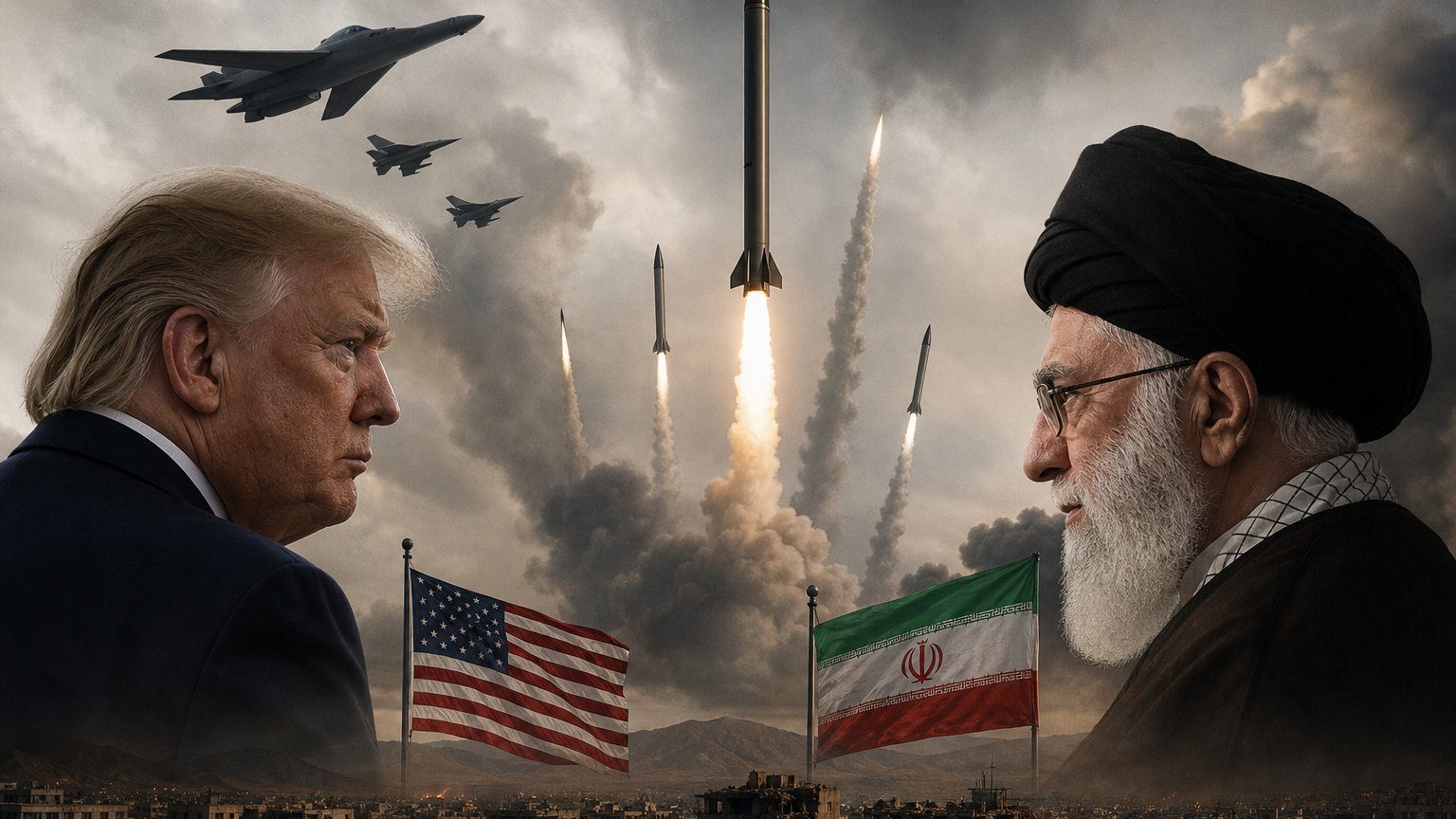
The US Iran war has drawn down hard-to-replace missiles, prompting new questions about whether American stockpiles are being stretched too thin.
The US Iran war has renewed a hard question in Washington: has America burned through too many hard-to-replace missiles? The issue surfaced as President Donald Trump pushed defense executives to speed up weapons production, while the administration paused strikes on Iran to keep negotiations alive.
Trump told armsmakers gathered at the Pennsylvania Defense and Innovation Summit that the United States has top-quality weapons but needs faster output. Defense Secretary Pete Hegseth, who called the country’s military inventory an “arsenal of freedom,” has also pressed for more spending. Behind that public message sits a costly campaign. The government says the war with Iran has cost $37.5 billion, with most of the money going to munitions.
According to the White House, US forces hit more than 13,000 targets in Iran before the ceasefire took effect on 8 April, while American air defenses intercepted more than 1,700 Iranian drones and ballistic missiles. A New York Times report said Trump was advised against widening the conflict because it could further drain US stockpiles. Trump rejected the concern on Monday, telling the Wall Street Journal that the United States has more munitions than anyone else and more than it needs.
“The US Iran war has drawn down hard-to-replace missiles, prompting new questions about whether American stockpiles are being stretched too thin.”
The numbers have still raised eyebrows inside the administration. Hegseth denied shortages last month, but last week he told the Senate Appropriations Committee that the Pentagon needs another $87 billion to address critical shortfalls, including equipment. Much of the exact spending and the remaining stockpile levels are classified, but analysis from the Washington, DC-based Center for Strategic and International Studies suggests the drawdown has been steep and replacement will take time. Mark Cancian, a retired Marine Corps colonel and senior adviser at CSIS, said some missiles take one to five years to build, and that new money does not quickly turn into new weapons.
Among the most heavily used weapons were Tomahawk Land Attack Missiles, which the CSIS estimates topped 1,000 fired during the war. The group says the stockpile may not return to pre-war levels until 2031, and the latest version of the missile costs about $2.6 million each. Patriot interceptors were also used heavily, with as many as 1,430 fired from an estimated pre-war stockpile of about 2,330. Each one costs about $4 million, even though the Iranian drones they were used against were far cheaper.
The conflict also drew down supplies of THAAD interceptors, a more advanced system with longer range and higher intercept capability. CSIS estimates that between 190 and 290 were used from a pre-war stock of 360. With only nine THAAD batteries in the world and seven of them American, sustained use could leave the United States thinner on a system meant to counter threats from Russia, China or North Korea. That concern matters well beyond Iran, especially as US planners also watch the possibility of a future crisis over Taiwan and weigh how to keep enough firepower on hand for the Pacific.
Frequently asked questions
Why is the US Iran war raising concerns about missile stockpiles?
The conflict used large numbers of expensive, hard-to-replace munitions, prompting questions about whether US inventories have been drawn down too far. Officials and analysts say replenishing those weapons will take time.
How much did the government say the war with Iran cost?
The government says the war cost $37.5 billion. It says most of that money went to munitions.
Which weapons were used most heavily?
CSIS says the US fired more than 1,000 Tomahawk Land Attack Missiles, up to 1,430 Patriot interceptors, and 190 to 290 THAAD interceptors.
How long could it take to replace the missiles used in the conflict?
Mark Cancian of CSIS said some missiles take one to five years to build, and that new money does not quickly become new weapons. CSIS says Tomahawk stockpiles may not return to pre-war levels until 2031.
We value your privacy 🍪We use cookies for essential features and, if you allow it, to send you a notification whenever we publish a new story. See our Privacy Policy.
📨
Never Miss a Story
Get the headlines that matter delivered straight to your inbox.
📱 On iPhone: tap the Share icon, choose “Add to Home Screen”, then open TheTrueDefender from your Home Screen and tap 🔔 to turn on notifications. (Apple only allows notifications for saved web apps.)
📱 Add TheTrueDefender to your home screen for one-tap access.