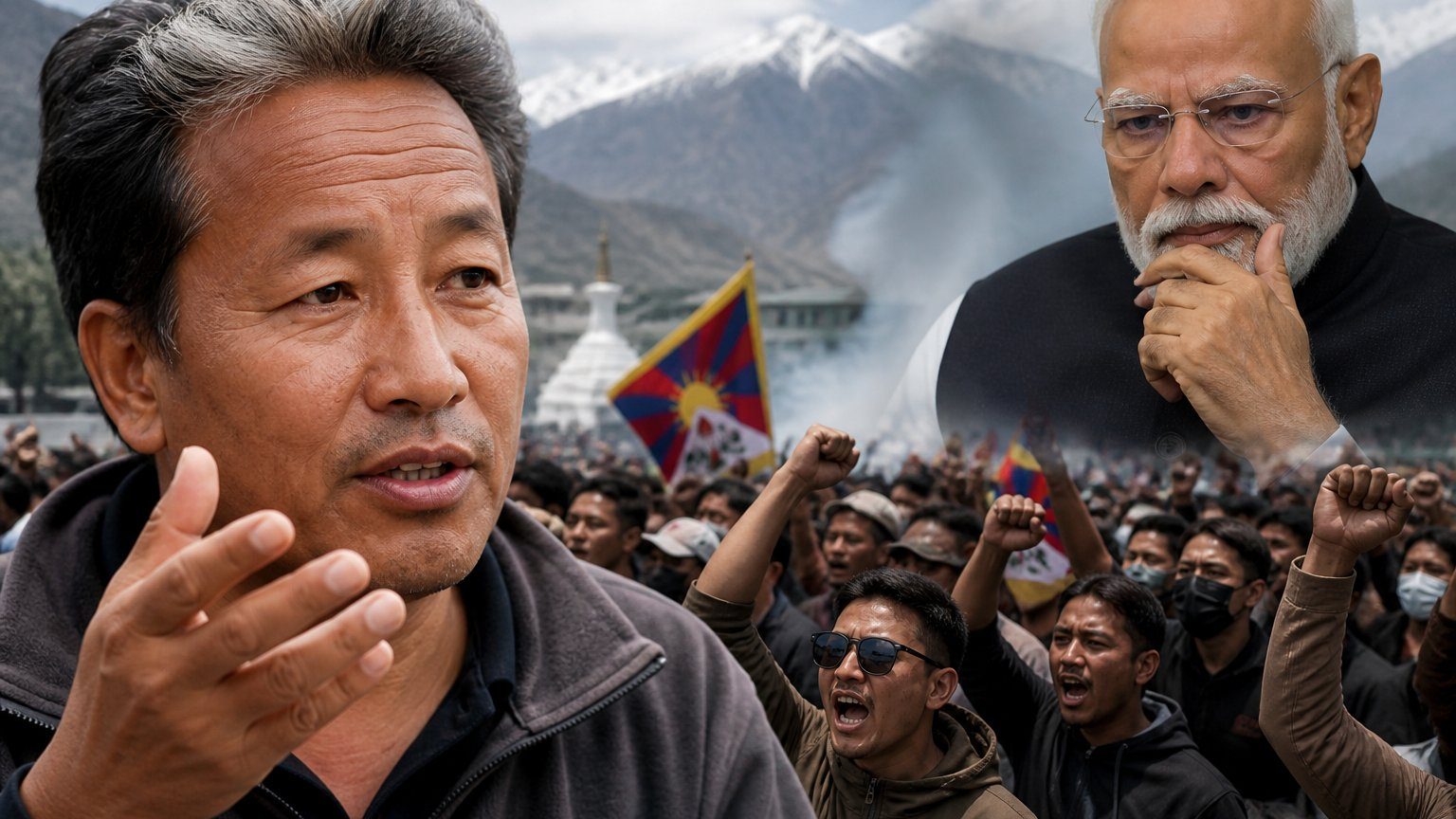
Sonam Wangchuk says the youth protest movement has badly weakened Narendra Modi after exam leaks sparked one of India’s biggest dissent waves in years.
India’s youth protests have weakened Prime Minister Narendra Modi “terribly,” activist Sonam Wangchuk said after a hunger strike helped ignite one of the country’s largest displays of dissent in years. The engineer and education reform campaigner said the movement changed the national mood and gave young people new confidence to challenge authority.
Wangchuk told the BBC that students and other young people now believe they can force change if they act together, rather than accepting unfair treatment in silence. He said the protests pushed Education Minister Dharmendra Pradhan to resign on 25 July, and he argued that the delay before that exit damaged the government badly. The demonstrations began over anger at leaked exam papers and then grew into a broader anti-government movement.
The campaign became known as the “cockroach” movement after criticism erupted over remarks from India’s chief justice, who compared unemployed young people to cockroaches during a court hearing. Wangchuk’s own hunger strike became a focal point for the unrest. He fasted for 26 days in Delhi during June and July, taking only salt and water, before ending the protest. He said he lost 11 kilograms and has since regained six. He also said authorities took him to hospitals for the final six days of the fast, and he described those stays as more like prisons.
By the time Wangchuk stopped fasting, public anger had grown into one of the biggest anti-government protests India had seen in years. Afterward, Modi announced fast-track courts to try people accused in the exam paper leaks and selected a tech billionaire to help lead reforms of the examination system. The government also said it would compensate families of students who took their own lives after the leaks.
“Sonam Wangchuk says the youth protest movement has badly weakened Narendra Modi after exam leaks sparked one of India’s biggest dissent waves in years.”
Wangchuk says the crisis reaches far beyond one exam scandal. He points to graduate unemployment, which he says has hovered around 35% to 40% for the past 25 years. In his view, India’s exams are too disconnected from the job market and place too much weight on multiple-choice testing that does not measure real skills and understanding. He argues that schools would change if exams valued hands-on experience and aptitude more directly.
That argument gets to the heart of the protest’s lasting force. The exam leak angered students, but the backlash tapped into a deeper frustration about jobs, fairness and whether India’s education system is preparing young people for the future. Wangchuk says leaders need to think years ahead about what the country will need, not just respond after pressure builds.
Even as the government faces criticism, Wangchuk said he sees signs of progress and believes officials could still alter course. He also said many protesters continue to face court cases, police harassment and abuse online despite a Supreme Court direction against coercive action for those with no prior criminal record. Wangchuk is back in Leh, his hometown in Ladakh, and says he remains committed to non-violent pressure, not politics. For American readers, the story is a reminder that student unrest can expose deeper cracks in a country’s institutions, and that education fights often turn into bigger battles over jobs, trust and political power.
The wider significance is hard to miss: when young people lose faith that the system works, protests can spread fast and reshape the political landscape.
Frequently asked questions
Who is Sonam Wangchuk?
He is an activist, engineer and Education specialist whose hunger strike helped galvanize the protest movement in India.
What triggered the protests?
Public anger first focused on leaked exam papers, then expanded into broader anger at the government.
What happened after the protests grew?
Education Minister Dharmendra Pradhan resigned, and Modi announced fast-track courts and examination reforms.
Why does Wangchuk say the issue goes beyond exams?
He says graduate Unemployment has been persistently high and that the Education system is not matched to the job market.
We value your privacy 🍪We use cookies for essential features and, if you allow it, to send you a notification whenever we publish a new story. See our Privacy Policy.
📨
Never Miss a Story
Get the headlines that matter delivered straight to your inbox.
📱 On iPhone: tap the Share icon, choose “Add to Home Screen”, then open TheTrueDefender from your Home Screen and tap 🔔 to turn on notifications. (Apple only allows notifications for saved web apps.)
🔔
Never miss a breaking storyGet free alerts the moment big US news breaks.
1Tap the ••• menu at the bottom of the screen, then tap Share(in Safari, just tap Share in the bottom bar directly)2Scroll down the menu and tap Add to Home Screen3Tap Add in the top-right corner4Open TheTrueDefender from your Home Screen, then tap 🔔 Subscribe and choose Allow
📱 Add TheTrueDefender to your home screen for one-tap access.