⚡ LATEST
Zuckerberg Defends $300M Yacht Crew in Alaska Help Row

Zuckerberg Defends $300M Yacht Crew in Alaska Help Row

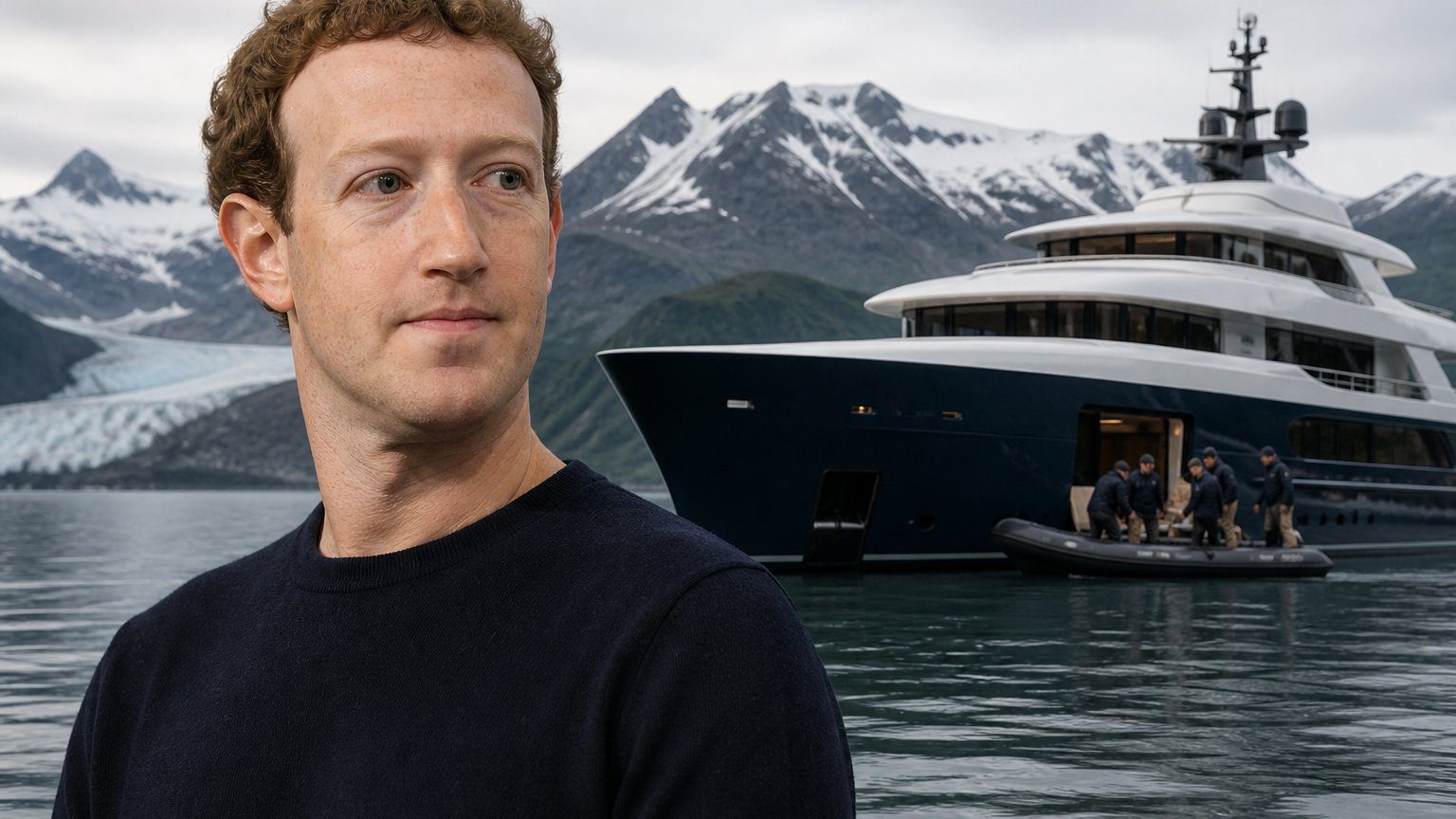
Mark Zuckerberg’s team says his $300 million yacht, Launchpad, did not ignore an Alaska boat in distress and was tuned to the wrong radio channel.

Mark Zuckerberg’s $300 million superyacht, Launchpad, is at the center of a debate over the Alaska boat help call after critics accused the crew of refusing to assist a stranded vessel near the state’s coast. The Facebook founder’s team says the yacht’s crew did not ignore the plea. Instead, they say the call came across on a different radio channel than the one the crew was using.

The incident unfolded on Aug. 3, when Launchpad was reportedly the closest vessel to a 21-foot skiff that had run out of fuel in Alaska. A much smaller and older tour steamboat, the Wilderness Legacy, passed the area and ultimately helped the skiff. A New York tourist, Michael Love, later wrote on Bluesky that the tour boat had to step in after the Coast Guard radioed Zuckerberg’s yacht and, according to his post, the crew repeatedly failed to answer. Love also said there was near unanimous booing when the captain announced what had happened.

Zuckerberg’s spokesman, Brian Baker, disputed that account. He said the crew never heard the call because they were operating on a different radio channel. Baker added that, as the Coast Guard noted, the boat was not in distress and the assistance effort was already underway by the time Launchpad’s crew reviewed the contact. He also said Zuckerberg and his wife were not on the yacht at the time. Baker concluded, “We’re grateful all parties are safe.”

The dispute turns on an important maritime distinction: a request for help is not always the same thing as a distress signal. When a ship sends out a true distress call, nearby vessels are generally required by law to respond if doing so would not endanger their own craft. But maritime law expert Ian Ralby said that rule does not apply in the same way when the call is for assistance rather than an emergency. He compared the difference to calling AAA versus calling 911, saying both situations may involve a vehicle that needs help, but the legal obligations are not the same.

Ralby, who heads the nonprofit Auxilium Worldwide, also said it was unusual for a vessel like Launchpad to miss a call made on the emergency frequency. Ships commonly monitor channel 16, the standard distress channel. Still, the basic legal question in this case appears to be narrower than the public reaction suggested. If the skiff was out of fuel but not in distress, the obligation to respond was not the same as it would have been in a life-threatening emergency.
Retired Coast Guard Capt. Aaron C. Davenport, who served for three decades in the service, said the breakdown did not amount to an emergency. He said Launchpad was under no obligation to help. Even so, he noted that mariners are expected to look out for one another. “Is it that common courtesy to help other mariners out? Yes, because someday you’re going to need assistance,” he said.

That unwritten rule carries extra weight in Alaska, where long distances and remote waters can turn a minor problem into a serious one fast. A boat that simply runs out of fuel may be manageable one minute and vulnerable the next, depending on weather, location, and available help. In this case, the Wilderness Legacy got to the skiff and the situation ended safely, but the uproar shows how quickly a maritime courtesy issue can become a public controversy when one of the vessels involved belongs to one of the world’s richest men.

The Alaska boat help dispute matters because it sits at the intersection of law, common-sense duty, and public expectations of the wealthy. Americans will keep watching whether the story fades as a misunderstanding or lingers as another example of how even routine incidents can ignite a broader debate about responsibility at sea.

Frequently asked questions

What happened near Alaska on Aug. 3?
A 21-foot skiff ran out of fuel, and another tour boat, the Wilderness Legacy, eventually helped. Launchpad, Zuckerberg’s superyacht, was reportedly the closest vessel.
Why is Zuckerberg’s crew being criticized?
A tourist claimed the Coast Guard radioed Launchpad and that the crew did not respond. That claim spread after an online post described booing on the tour boat.
What is Zuckerberg’s team’s explanation?
Spokesman Brian Baker said the crew was listening on a different radio channel and saw the contact only after help was already underway.
Was the yacht legally required to help?
Maritime expert Ian Ralby and retired Coast Guard Capt. Aaron C. Davenport said the situation was a request for help, not a distress call, so the legal duty was different.
Full coverage: Coast Guard
Humpback Whale Sinks Alaska Family's Sailboat
Up Next · in US News

Humpback Whale Sinks Alaska Family's Sailboat

3 min read Continue reading

More from US News

View all →
🇺🇸

The Defender Morning Brief

5 stories Americans need to know. 3 minutes. Every morning. Free.