⚡ LATEST
Afghan Women United Reunite for Fifa Backed Return

Afghan Women United Reunite for Fifa Backed Return

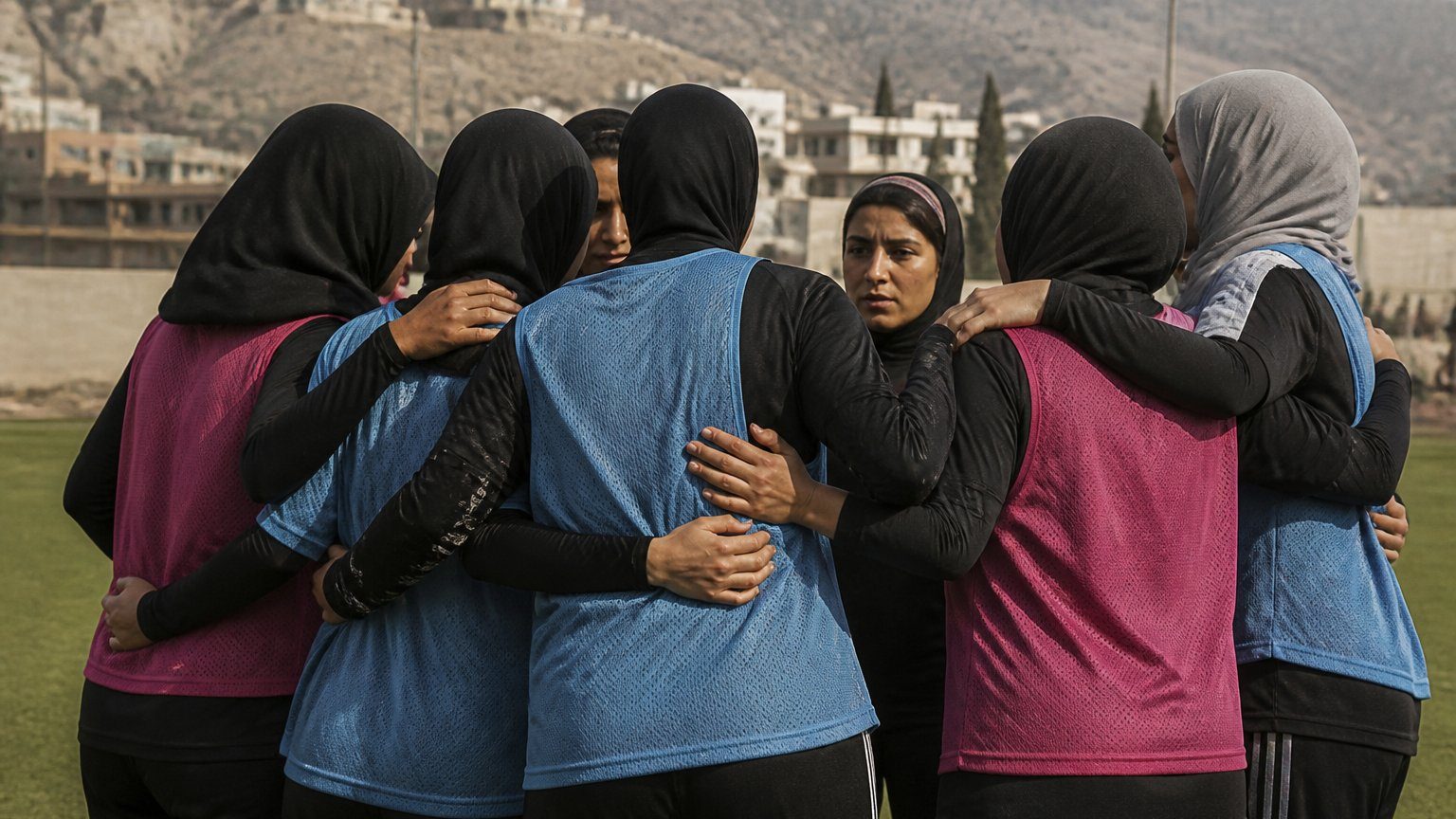
Afghan Women United, the Afghan women’s team recognized by Fifa, reunited in New Zealand for matches that carried far more weight than the scoreline.

Afghan Women United came back together in New Zealand, where the Afghan women’s team recognized by Fifa trained, played, and reclaimed a place on the pitch that has been denied to them at home. The 23-player squad, made up of Afghan footballers now living abroad, gathered in Auckland for a training camp and two unofficial friendly matches against the Cook Islands.

The reunion marked the first time the players had been together since Fifa ruled in April that they could represent Afghanistan in official matches in the future. Before that decision, any such step would have required approval from the Afghanistan Football Federation. Under Taliban rule, that was not possible. The Taliban, which returned to power in August 2021, imposed sweeping restrictions on women and girls, including bans on secondary school, university, most jobs, and organized sport.

The women’s national team was formed in 2007, but after the Taliban takeover, the players were forced out of the country or resettled abroad in places including Australia, the UK, and Portugal. Years of campaigning eventually helped create a refugee side that became Afghan Women United. With Fifa’s recognition, the team can now work toward qualification for major competitions such as the Olympics and the World Cup.

For the players, the trip to New Zealand was about more than fixtures. Many have spent years as asylum seekers in different countries, making it difficult to secure the travel documents needed to train together. In Auckland, they described football as a source of independence and a lifeline through a period of upheaval that scattered families and separated teammates.

One of the players, Manozh Noori, now lives in Australia and said she grew up playing football with boys in the streets of Kabul. After seeing women’s football on television, she joined local clubs in secret and rose through the ranks, using a face covering to avoid being recognized by relatives who disapproved. She later won league titles, national championships, and individual awards, but the pressure from home intensified once her success became public.


Noori said she eventually buried her medals and trophies in her family’s garden before fleeing Afghanistan after the Taliban return. She said football later helped her bring her mother and sister out of the country as well. Another player, Mursal Sadat, said the sport kept her from becoming one of the many girls in Afghanistan who are denied education and the chance to shape their own futures. She now lives in Australia and works as a coach, youth facilitator, and advocate for refugees, women’s rights, and human rights.

Defender Najma Arefi also described how hard the road had been, saying she trained in extreme heat in Afghanistan because girls were often given the least desirable practice times. She said a championship win by her Herat-based team changed attitudes in the city and inspired more families to allow daughters to play. Arefi now lives in Doncaster in northern England, where she studies criminal justice, plays football, and says the freedom to make her own choices feels extraordinary.

The matches themselves did not go Afghanistan’s way. The Cook Islands won the first game one-nil and took the second three-nil. But the result mattered less than the fact that the team was there at all, wearing Afghan colors, singing their anthem, and standing together as official recognition gave them a path forward. For American readers, the story is a sharp reminder that sports can become a frontline in the fight over women’s freedom, identity, and opportunity — and that the battle for Afghan women is still being played far beyond Afghanistan’s borders.

Frequently asked questions

Why did Afghan Women United travel to New Zealand?
The team went there for a training camp and two unofficial friendly matches against the Cook Islands. It was the first time the squad had been together since Fifa’s April ruling.
What changed when Fifa recognized the team?
Fifa’s ruling means the team can try to qualify for international competitions in the future, including the Olympics and the World Cup.
Why were the players living outside Afghanistan?
After the Taliban returned to power in August 2021, women faced major restrictions, including bans on organized sport. Many of the players were evacuated and resettled in countries such as Australia, the UK, and Portugal.
How did the matches turn out?
The Cook Islands beat Afghanistan one-nil in the first game and three-nil in the second.
Full coverage: Fifa
Fifa drops World Cup stake sale plan
Up Next · in World

Fifa drops World Cup stake sale plan

3 min read Continue reading

More from World

View all →
📨

Never Miss a Story

Get the headlines that matter delivered straight to your inbox.