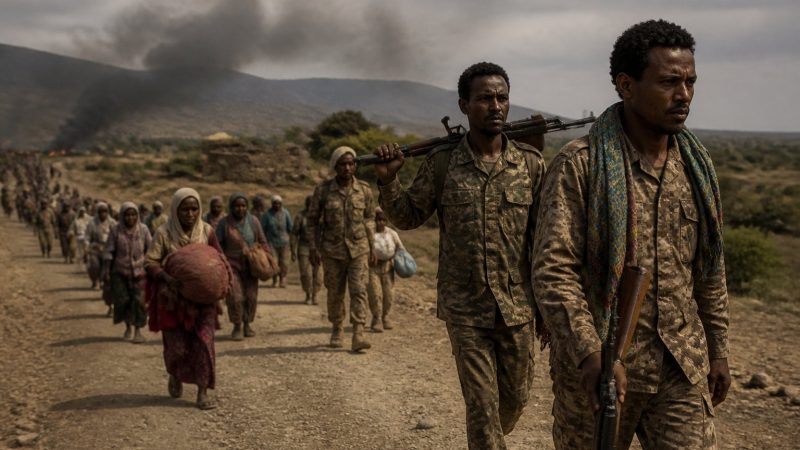
Boris Nadezhdin says the Russian anti-war politician has fled after being labeled a foreign agent and blocked from election politics.
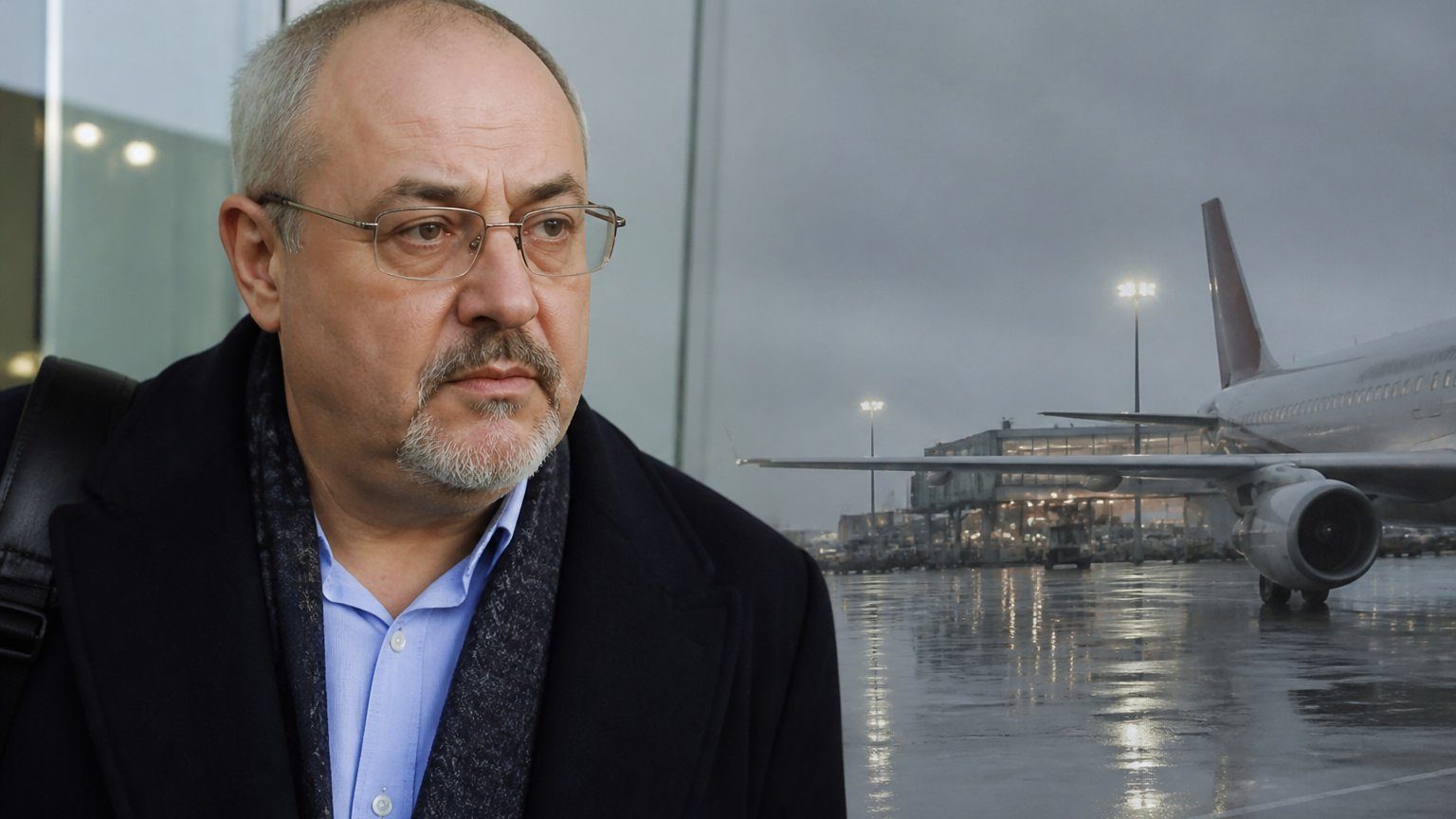
Boris Nadezhdin says the Russian anti-war politician has left the country after Moscow branded him a foreign agent, a move that effectively shut him out of election politics. He appeared in a video posted in front of the Eiffel Tower in Paris, where he told viewers he was “alive and free” but no longer in Russia.
The 63-year-old first drew wider attention two years ago when he tried to run for president on an anti-war platform. Russian election authorities blocked that bid after ruling that the signatures he submitted were flawed. He later said the state was again moving to exclude him, this time after the justice ministry labeled him a foreign agent last month following his announcement that he would stand in September’s parliamentary vote.
Officials accused Nadezhdin of spreading false information about the Russian government and urging people to join unauthorized rallies. He also faced a charge of displaying extremist symbols, tied to an image of the late opposition leader Alexei Navalny that appeared briefly in a video reposted by his social media accounts in November 2023. Nadezhdin rejected that allegation as ridiculous. The foreign-agent designation would have barred him from taking part in the elections.
In a video posted Monday to Telegram, Nadezhdin said he needed time to “get my bearings” and decide what to do next. He had told BBC Russian last week, from an undisclosed location, that his political prospects were “vague” after he was forced to abandon his parliamentary campaign. He also argued that political participation depends on elections, saying politicians should take part while they still can.
“Boris Nadezhdin says the Russian anti-war politician has fled after being labeled a foreign agent and blocked from election politics.”
Nadezhdin’s recent remarks fit a pattern that has defined his public rise and repeated setbacks. In early 2024, he tried to run for president on an anti-war manifesto that called for an end to the fighting in Ukraine. He told the BBC at the time that he had the backing of “dozens of millions of people” who did not want Russia headed toward “authoritarianism and militarism.” He said that, if elected, his first step would be to stop the conflict with Ukraine and restore normal relations with the Western community.
Even so, his criticism of Vladimir Putin stayed measured, and some observers believed the Kremlin might still allow him on the ballot to create the appearance of a fair election. That did not happen. Russia’s electoral commission blocked him weeks before the vote, saying more than 15% of the signatures in his application were flawed. He challenged that decision but was still unable to run, as were other credible opposition figures.
Putin went on to claim a landslide victory on 18 March 2024, beginning a fifth term in office. The next presidential election is due in 2030, when Putin will be 78, and a constitutional change passed in 2020 reset his term limits so he can remain in power until 2036.
Earlier this year, as the Kremlin tightened internet access for millions and Russia’s economic crisis deepened, Nadezhdin said people were beginning to connect daily hardships such as healthcare, food prices, and internet problems with Putin’s politics. His exit is another sign of how tightly the Kremlin controls public life, with serious challengers now in jail, in exile, or dead. For American readers, the takeaway is clear: Russia’s political opposition is being driven out or silenced, leaving even less room for any peaceful change from within.
Frequently asked questions
Why did Boris Nadezhdin leave Russia?
He said he fled after Moscow designated him a foreign agent last month, a label that would have barred him from Elections.
What did Russian authorities accuse him of?
Officials accused him of spreading false information about the government and calling on people to join unauthorized rallies. He also faced a charge tied to an image of Alexei Navalny.
Has Nadezhdin tried to run for office before?
Yes. He tried to run for president on an anti-war platform in early 2024, but election officials blocked him over flawed signatures.
What does this mean for Russian politics?
The case underscores how tightly the Kremlin controls the political field. The remaining opposition figures who might offer an alternative are in jail, in exile, or dead.
We value your privacy 🍪We use cookies for essential features and, if you allow it, to send you a notification whenever we publish a new story. See our Privacy Policy.
📨
Never Miss a Story
Get the headlines that matter delivered straight to your inbox.
📱 On iPhone: tap the Share icon, choose “Add to Home Screen”, then open TheTrueDefender from your Home Screen and tap 🔔 to turn on notifications. (Apple only allows notifications for saved web apps.)
🔔
Never miss a breaking storyGet free alerts the moment big US news breaks.
1Tap the ••• menu at the bottom of the screen, then tap Share(in Safari, just tap Share in the bottom bar directly)2Scroll down the menu and tap Add to Home Screen3Tap Add in the top-right corner4Open TheTrueDefender from your Home Screen, then tap 🔔 Subscribe and choose Allow
📱 Add TheTrueDefender to your home screen for one-tap access.