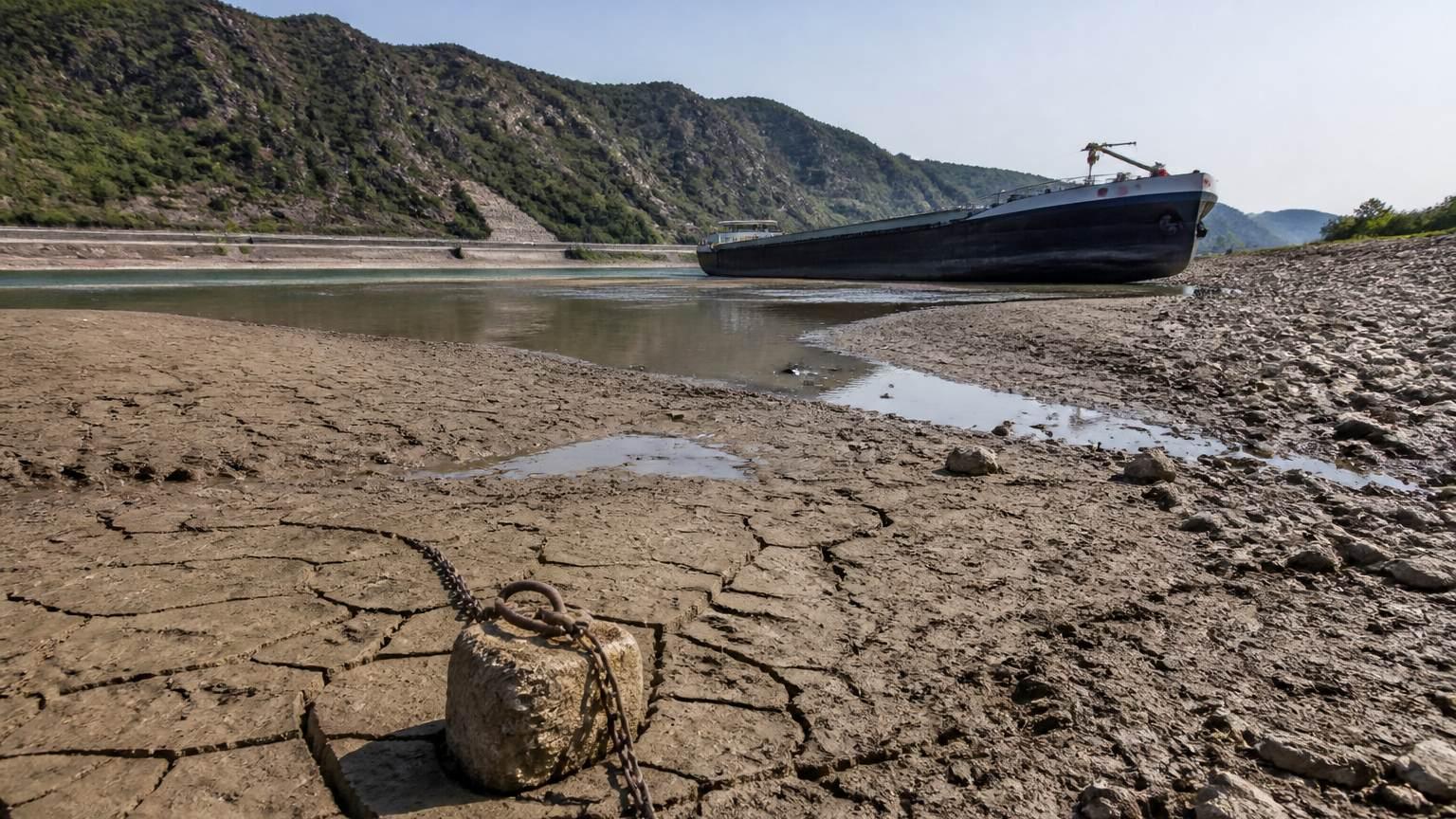
The Rhine record low has restricted shipping as severe drought grinds on across Europe, while the Danube and Po also drop sharply.
The Rhine record low is now hitting major parts of Europe’s inland water network, with prolonged heatwaves pushing river levels to unprecedented lows in Germany and the Netherlands. In several locations, the Rhine fell to its lowest measured levels since records began, adding pressure to shipping, industry and agriculture at a time when much of the continent is already under severe drought strain.
Last week, water levels in Cologne and in Lobith, where the Rhine crosses from Germany into the Netherlands, dropped below any previously recorded reading. Other key rivers have also been affected. The Danube, which runs through 10 countries, and Italy’s Po have both reached record low levels, showing how widespread the dry spell has become across Europe.
The EU’s Drought Observatories said drought conditions stayed stable but critical across most of Europe and worsened in central-western parts of the region in mid-July. Forecasters expect another week of heatwave conditions, with temperatures rising above 40C in many central and southern European countries. Germany’s Low Water Information System said that by the end of July, 44% of Rhine measuring stations and 78% of Danube stations were reporting extremely low water levels.
The Rhine remains one of Europe’s busiest transport routes, carrying cargo from the Swiss Alps to the North Sea. As water levels fall, the economic impact grows. On Friday, navigable depth at Kaub near Koblenz reached 25cm, matching the 2018 low before improving slightly on Monday. The Kaub station is closely watched because it helps determine how heavily cargo vessels can be loaded. When water gets too low, inland shipping can slow sharply or face limits that raise costs for shippers and customers.
“The Rhine record low has restricted shipping as severe drought grinds on across Europe, while the Danube and Po also drop sharply.”
Martin Wolters of the Rhine Waterways and Shipping Authority told German broadcaster WDR that shipping on the Rhine was unlikely to stop entirely, but operators would need to take precautions. That could mean spreading freight across more vessels so each one carries less. A commodity trader told Reuters that there comes a point when shipments are too small to make sense or ship owners worry about damage to their vessels. The Rhine record low is not just a water story; it is a supply-chain story that reaches factories, ports and markets well beyond the riverbanks.
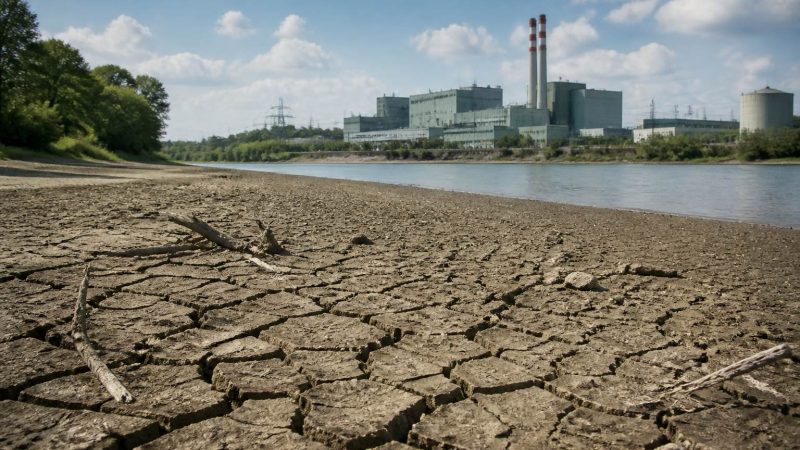
The Danube’s drought has already forced real damage on energy supplies. Water levels dropped to their lowest point in 30 years in several countries, including Serbia and Romania, prompting Hungary to shut down its only nuclear power plant. Prime Minister Peter Magyar said on Monday that officials do not know when the plant will restart and are hoping for rain that forecasters do not yet see coming. Serbia cut output at coal-fired plants because low water interfered with cooling systems, while Romania used a controlled explosion on a rock along the Danube to improve water flow to the Cernavoda nuclear plant.
Italy’s Po has also suffered badly. By late July, it had hit a historic low near Cremona, and authorities raised the drought alert to high across the Po Valley. Experts have warned about possible disruption to drinking water, while lower flows have allowed saltwater from the sea to move farther into the riverbed. That has hurt the ecosystem and created serious problems for farmers who depend on the Po to irrigate their crops.
Researchers at the World Weather Attribution group said they did not find a clear long-term drop in rainfall across much of Europe, but they said human-caused climate change is raising temperatures and increasing evaporation, which makes drought more likely. The European Commission’s Copernicus climate service has also linked the 2022 European drought to greater wildfire activity and higher carbon emissions. For Americans watching from afar, the takeaway is simple: Europe’s drought is testing energy systems, food production and trade routes that ripple into the wider global economy.
Frequently asked questions
Why is the Rhine’s low water level important?
The Rhine is one of Europe’s busiest waterways. Low levels limit how heavily cargo vessels can be loaded and can disrupt inland shipping.
Which other European rivers are affected?
The Danube and Italy’s Po have also reached record low levels. Both rivers play major roles in transport, industry and agriculture.
How is the drought affecting power generation?
Hungary shut down its only nuclear plant because of the Danube’s low water. Serbia also cut coal-fired output when cooling systems were affected.
What do scientists say is driving the drought risk?
A World Weather Attribution study said there was no clear long-term rainfall decline across much of Europe, but higher temperatures are increasing evaporation and making drought more likely.
We value your privacy 🍪We use cookies for essential features and, if you allow it, to send you a notification whenever we publish a new story. See our Privacy Policy.
📨
Never Miss a Story
Get the headlines that matter delivered straight to your inbox.
📱 On iPhone: tap the Share icon, choose “Add to Home Screen”, then open TheTrueDefender from your Home Screen and tap 🔔 to turn on notifications. (Apple only allows notifications for saved web apps.)
🔔
Never miss a breaking storyGet free alerts the moment big US news breaks.
1Tap the ••• menu at the bottom of the screen, then tap Share(in Safari, just tap Share in the bottom bar directly)2Scroll down the menu and tap Add to Home Screen3Tap Add in the top-right corner4Open TheTrueDefender from your Home Screen, then tap 🔔 Subscribe and choose Allow
📱 Add TheTrueDefender to your home screen for one-tap access.