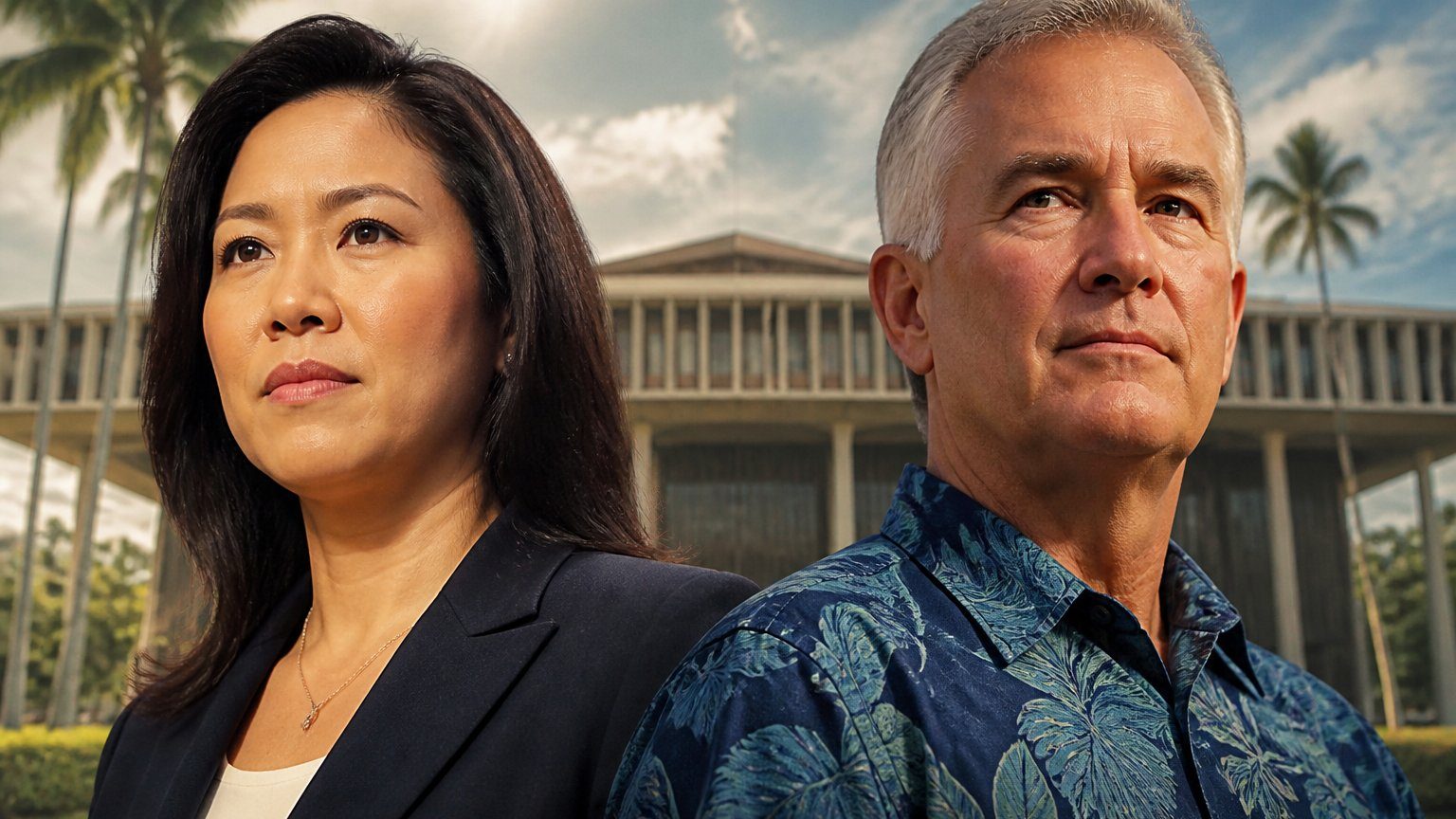
Hawaii primary voting is set to decide Saturday which candidates move on to November, with Gov. Josh Green expected to cruise in the Democratic race and Rep. Ed Case facing a sharper fight in the state’s 1st Congressional District. The contests come as Democrats remain dominant in Hawaii politics, but a progressive challenge in Honolulu and a Republican governor’s bid are giving the ballot more edge than usual.
Green, first elected in 2022, is running against three little-known Democratic opponents: George “Teva” Lucas-Tadeo, David “Duke” Bourgoin, and Lauren Kapoliahiʻiaka Shim. Lucas-Tadeo has described himself as a Democratic socialist and has promoted plans online to create a government-run grocery store and legalize recreational marijuana. Bourgoin is trying again after losing to Green in 2022, when he got 590 votes compared with Green’s 158,161, and he has also lost two Honolulu mayoral races. Shim is the CEO and founder of Aloha AI Incorporated, according to her LinkedIn profile. Honolulu Civil Beat reported that none of Green’s challengers had raised money as of June 30, and neither Lucas-Tadeo nor Shim had campaign websites.
Green enters the race with a clear financial and political edge. He has raised about $3.5 million, far ahead of Republican Gary Cordery, who has brought in roughly $313,000, according to Honolulu Civil Beat. Cordery, who owns the contracting company Kingdom Builders, is competing with entrepreneur and investor Ken Fujiyama for the Republican nomination. Their task is ambitious: win the governor’s office in a state that has been under Democratic control for nearly two decades. Linda Lingle was the last Republican to serve as governor, holding the office from 2002 to 2010.
Cordery has made the cost of living his central pitch, along with housing growth and a tougher stance on waste and corruption in state government. He has proposed 15,000 homes for working families, using state-owned land for housing, and eliminating Hawaii’s general excise tax on food and medicine. Fujiyama is also running on housing affordability, with a plan that would develop 100,000 residential lots and work with large landowners to encourage growth. Those proposals are aimed at a state where housing prices and daily expenses have long been a central political issue for working families.