⚡ LATEST
Trump Urges Supreme Court on Ballot-Mail Fight

Trump Urges Supreme Court on Ballot-Mail Fight

Trump asks the Supreme Court to act quickly in the ballot-mail fight after a new federal ruling widened the block on part of his election order.

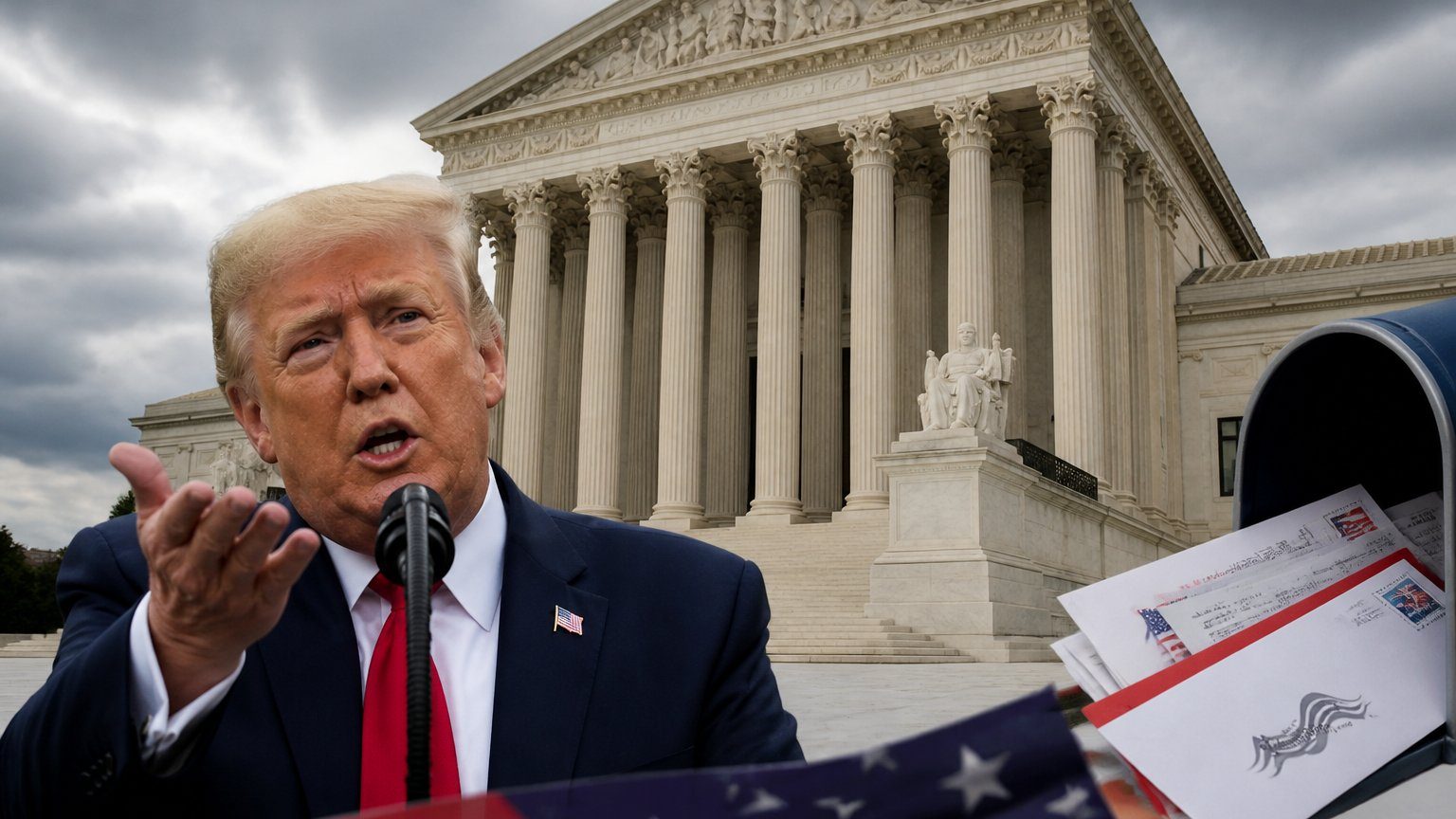
The Trump administration is back at the Supreme Court in the ballot-mail fight, asking the justices to move quickly before November voting begins. At issue is a Massachusetts judge’s order that has blocked part of President Trump’s election directive across much of the country, and government lawyers say delay now could affect how mail-in ballots are handled in the midterms.

Solicitor General D. John Sauer told the court that prompt action is necessary, arguing that the lower court rulings are already undercutting the administration’s timeline. He said the judge’s orders will “effectively run out the clock” on the government’s ability to carry out Section 3 of the executive order and warned of “irreparable harm to the federal government, the public, and election integrity.” The dispute centers on a provision that would prevent the U.S. Postal Service from delivering mail-in ballots to voters whose names are missing from newly created eligibility lists.

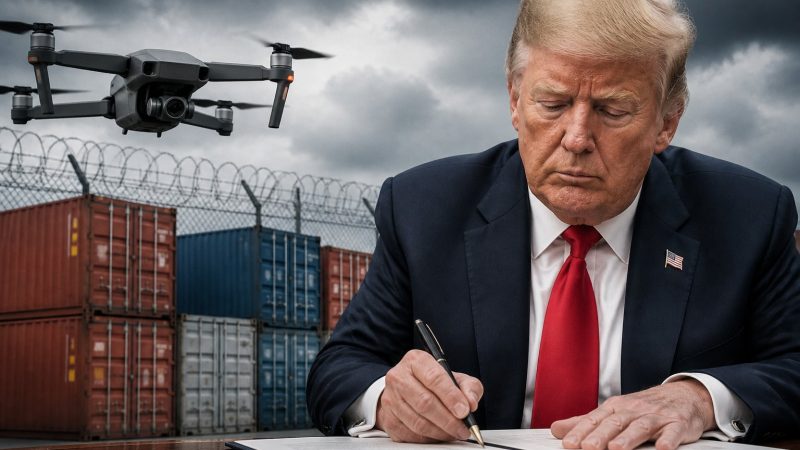
The conflict began after Mr. Trump signed the order on March 31 under the title “Ensuring Citizenship Verification and Integrity in Federal Elections.” The directive contains three major parts. One calls for the Department of Homeland Security to compile citizenship rolls for each state and deliver them at least 60 days before federal elections. Another tells the attorney general to prioritize investigations and possible prosecutions of state and local officials who send federal ballots to people not authorized to receive them. Section 3, the part now tied up in court, would require states to turn over mail-ballot recipient lists to the Postal Service, which would then be barred from delivering ballots to anyone not appearing on its own lists.

Twenty-three states, led by California, and the District of Columbia sued in federal court in Massachusetts. U.S. District Judge Indira Talwani ruled that claims tied to elections after Nov. 3, 2026, were too speculative, but she said the 2026 timeline for the midterms presented a “direct and immediate dilemma.” On June 25, she issued an order shielding the states and D.C. from the disputed provisions through Election Day this November. The administration then asked the 1st U.S. Circuit Court of Appeals to pause her order, but the panel declined. The appeals court also noted that neither the administration nor the 12 Alabama-led states supporting it had defended the legality of the order itself.
After losing at the appellate level, the administration went straight to the Supreme Court on July 27. Sauer called Talwani’s ruling “extraordinary” and argued the case is premature because federal agencies have not yet spelled out exactly how the order would be put into practice. He also said the block is preventing the government from finalizing and implementing the president’s policies for the November elections. In his filing, he said every day that the order remains blocked causes harm because mail-in and absentee voting begins in some states in about a month.

The states pushed back in an Aug. 3 filing, saying the administration was trying to create chaos by moving ahead with a plan they described as “unprecedented” and legally indefensible. They argued that the Postal Service would be given sweeping new powers and responsibilities if the block were lifted. They also pointed to the 1st Circuit’s own recognition that firm election deadlines create immediate injuries that can be challenged in court.

The case took another turn Tuesday, when Talwani issued a new ruling in a separate lawsuit brought by the League of Women Voters and allied groups. That order temporarily stops the Postal Service from enforcing Section 3 anywhere in the country. Sauer cited that ruling in a supplemental brief on Wednesday, saying it showed the need for the Supreme Court to intervene now. He argued that the newer decision applies nationwide for the plaintiffs in that case and confirms the urgency of granting a stay in the earlier case.

The fight now sits at the intersection of election administration, federal agency power, and the coming midterm calendar. For American voters, the outcome could shape how mail ballots are handled and how far Washington can go in changing election procedures on a compressed timetable. What happens next depends on whether the Supreme Court steps in before voting starts to ramp up in the states.

Frequently asked questions

What is the Supreme Court being asked to do?
The Trump administration wants the justices to pause lower court rulings that have blocked Section 3 of the election order. It says the court needs to act before mail-in and absentee voting begins in some states.
What does Section 3 of the order do?
Section 3 would require states to share mail-ballot recipient lists with the Postal Service. The Postal Service would then be barred from delivering ballots to people missing from its own lists.
Who is challenging the order?
Twenty-three states led by California and the District of Columbia sued in Massachusetts. A separate lawsuit was also filed by the League of Women Voters and allied groups.
Why does the administration say the issue is urgent?
Solicitor General D. John Sauer said the lower court orders are blocking the government’s ability to finalize and implement its election policies. He said delays could cause irreparable harm before the November elections.
Full coverage: Donald Trump
HHS Report Targets Gender-Care Billing
Up Next · in Politics

HHS Report Targets Gender-Care Billing

4 min read Continue reading

More from Politics

View all →
🇺🇸

The Defender Morning Brief

5 stories Americans need to know. 3 minutes. Every morning. Free.