A new White House report says the transshipment scam is costing the United States as much as $26 billion a year, with China at the center of a system that routes goods through third countries to avoid tariffs. The findings were released Thursday in a 25-page paper that the administration says is aimed at tightening trade enforcement.
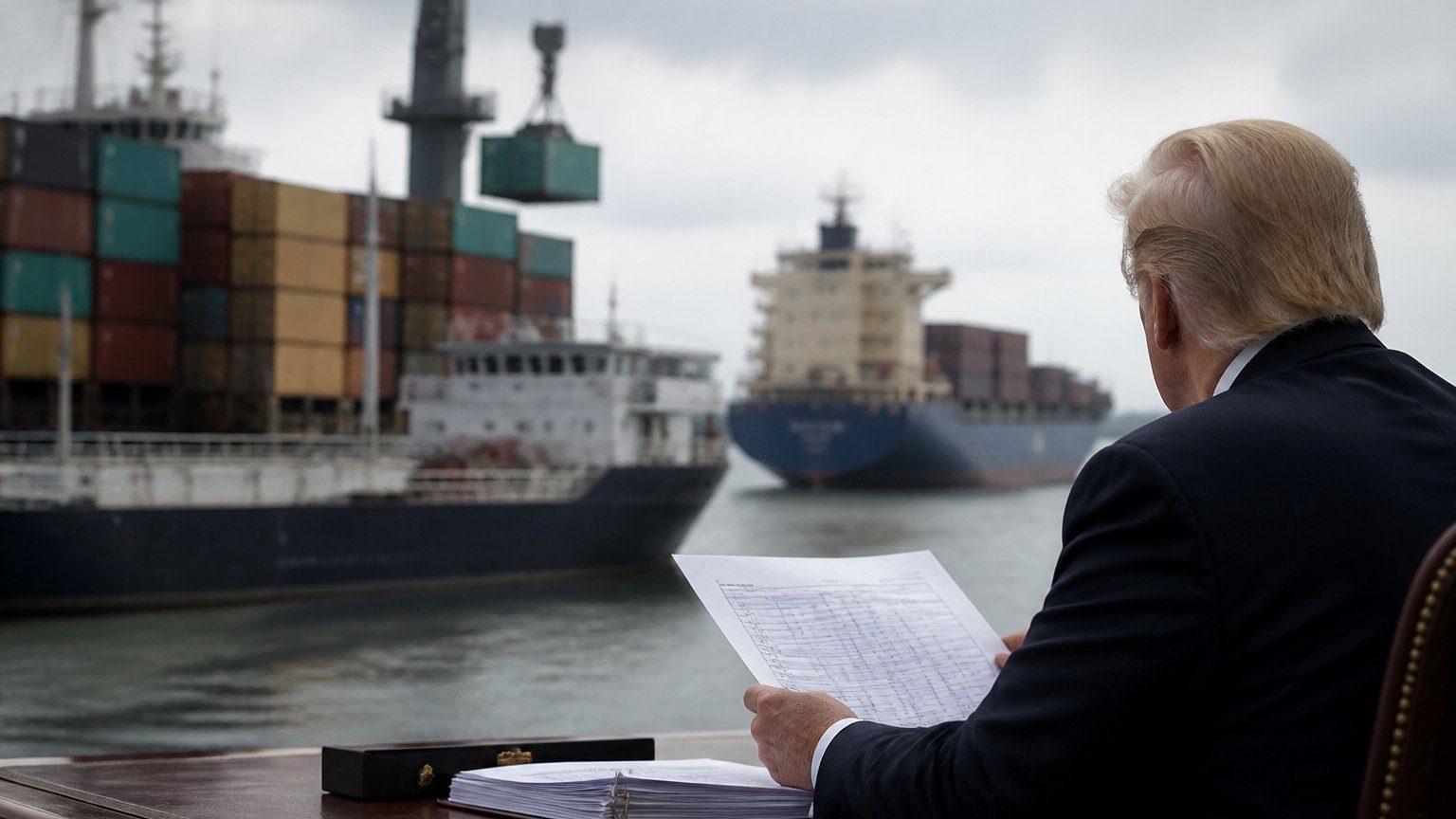
The report, titled The Great Transshipment Scam, was produced by the White House Office of Trade and Manufacturing Policy, which is led by trade adviser Peter Navarro. It identifies more than 40 countries as posing elevated transshipment risk, including Panama, Mexico and Colombia, along with Brazil, Argentina, Chile, Peru, Costa Rica and the Dominican Republic. The report says transshipment can let foreign exporters move goods through an intermediary country before they enter the United States under a different country of origin, which can qualify shipments for lower tariffs.
According to the report, China is the clearest example of the practice. It says that after Section 301 tariffs were imposed on China in 2018, the direct U.S. trade deficit with China fell in 2019 and 2020. The report says Chinese exporters then increasingly redirected goods through third countries, where limited assembly, finishing, repackaging, relabeling or paperwork changes could make the products appear to come from somewhere else. It says those practices helped build a wider network of production hubs, logistics platforms, free-trade zones, bonded warehouses, processing corridors and re-export centers.
The White House report estimates that tariff-avoiding transshipment drains between $19 billion and $26 billion from the U.S. Treasury each year. It also cites government and private-sector estimates that put the value of transshipped goods at roughly $34.2 billion to $303 billion annually. Navarro said, according to The Associated Press, that for years the practice has allowed communist China to launder its exports. He also said countries such as India could use similar tactics to avoid tariffs.